
 Water damage drying
 Fire & smoke cleanup
 Mold remediation
 Storm response
 Sewage cleanup
 Reconstruction
Free visual inspection and a written scope of work before any mitigation begins - photos, moisture readings, and drying logs go in your claim file
The scope we write is the scope we bill. Anything new gets shown to you, in writing, before we touch it.
Get your free estimateFast, Reliable Water Damage Restoration Across Claremont
Water damage restoration in Claremont costs between $1,800 and $6,500 for a typical single-room incident, and our crews reach most Claremont addresses within 45 to 60 minutes for emergency extraction. That response time matters here more than in most Southern California cities because of what sits behind the walls: original lath-and-plaster, redwood framing, and clay tile roofs on homes built a century ago. We know those houses. We know what happens when water gets into a 1920s Craftsman crawlspace and sits against old-growth redwood sill plates overnight. Call (855) 356-4970 if you need someone here now. If the damage can wait an hour, read on so you understand exactly what’s involved and what it should cost.
Key Takeaways for Claremont Homeowners
- Historic Village and college-area homes need drying methods that don’t destroy original plaster, redwood, or clay tile.
- North Claremont foothill properties face mudflow and debris risk after thunderstorms that flatland homes never see.
- Emergency extraction in Claremont typically runs $500 to $1,200; full structural drying adds $1,300 to $5,000 depending on square footage and materials.
- We use IICRC-certified drying protocols with Dri-Eaz and Injectidry equipment, not rental fans.
- One team handles water, mold, and fire damage so insurance documentation stays consistent from first call to final invoice.
Why Mahogany Water Damage Is Claremont’s Preferred Water Damage Restoration Company
The work we do in Claremont doesn’t look like the work we do in newer Inland Empire suburbs. A leak in a 2005 tract home means drywall replacement and fresh paint. A leak in a 1915 Claremont Village bungalow means a decision about whether the original plaster ceiling can be saved, whether the redwood baseboards will cup or stay true, and whether the crawlspace framing under a century-old floor has taken on enough moisture to need injection drying. We come into those jobs with that decision framework already built. Our Water Damage Restoration team includes technicians who have worked historic properties across Claremont, from the Village core to the tree-lined streets north of Foothill Boulevard. That experience is why property managers and homeowners call us before they call a generalist who shows up with a carpet fan and a shop vac.
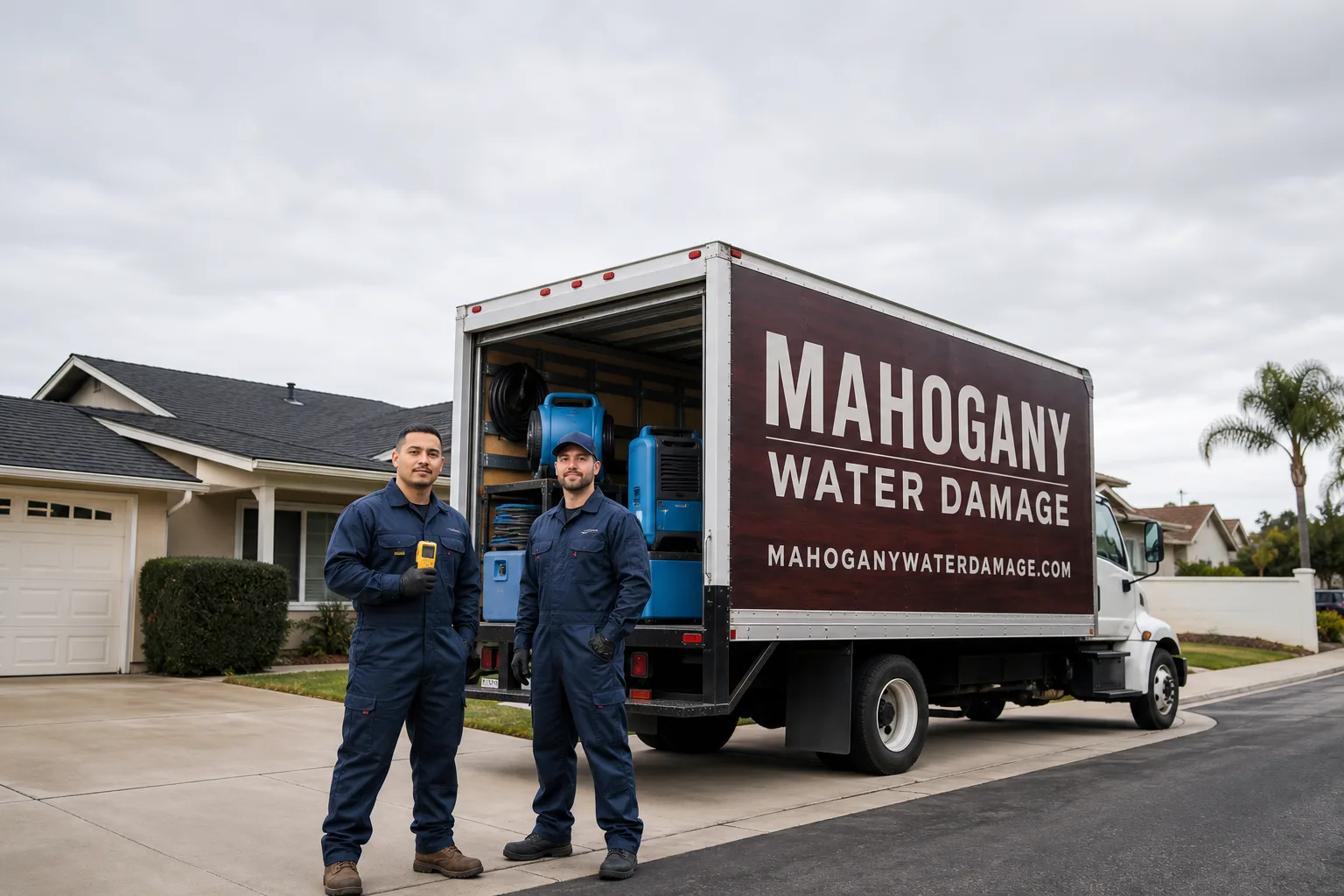
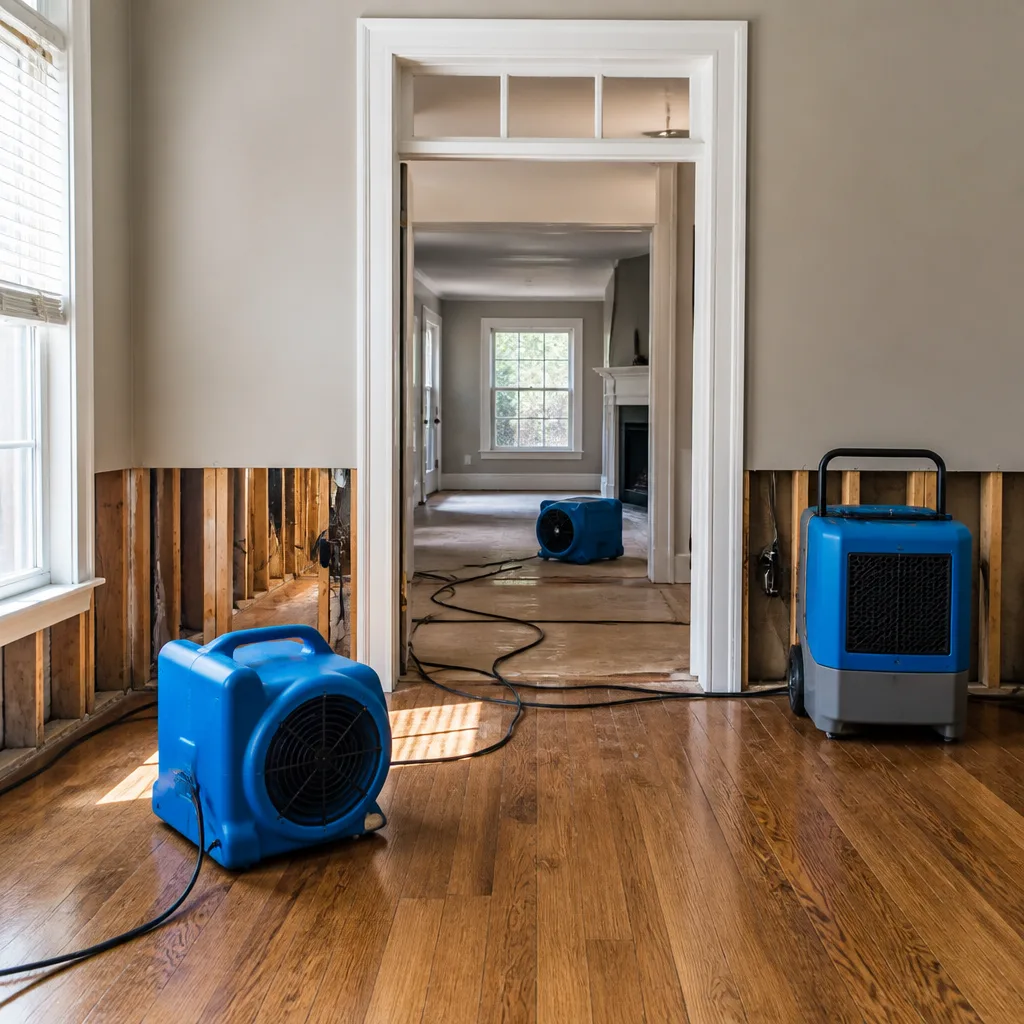
Noel Carrasco, who leads our restoration division, sets the standard on every Claremont job: document everything, dry to measurable standards, and never open a wall you can save with precision drying. We carry the equipment to back that up. Dri-Eaz dehumidifiers, Phoenix air movers, and an Injectidry cavity-drying system that pulls moisture from inside walls and floors without demolition. That last piece matters enormously in Claremont, where the alternative to drying is often ripping out irreplaceable plaster and redwood that no contractor can truly replicate. We’d rather spend three extra days on drying logs than three weeks on a historic-sensitive rebuild, and most Claremont homeowners agree.
Restoration work we handle
Emergency Water Removal in Claremont
Emergency Water Removal in Claremont means getting standing water out of a flooded kitchen, burst-pipe bathroom, or monsoon-soaked crawlspace before it wicks into plaster, subfloor, and framing. A washing machine supply line failure in a Village home can put 50 gallons onto hardwood and through to the crawlspace in under an hour. In the 91711 zip code, and especially in the older homes south of Bonita Avenue, that water moves fast through original fir subfloors and soaks into joists that have been drying in place since the Coolidge administration. Our extraction crews in Claremont typically arrive within an hour, set up containment, and start pulling water with truck-mounted and portable extractors matched to the surface. Emergency extraction alone in Claremont runs $500 to $1,200 depending on the size of the affected area and the surface type.
What Happens in the First Two Hours
Extraction first, always. We pull standing water before we place any drying equipment, because fans blowing across a wet floor just spread moisture into baseboards and walls. Then we map the affected area with moisture meters and thermal imaging, marking saturation levels in writing so the drying plan matches what’s actually wet, not what looks wet. In a Claremont lath-and-plaster home, that reading changes how we proceed, because plaster can look dry on the surface while the wooden lath behind it holds destructive moisture.
Why Speed Matters More in Older Claremont Homes
Water in a 2000s drywall home is a cleanup problem. Water in a 1918 plaster-over-lath home is a race against material failure. Plaster keys, the small nubs of plaster that squeeze through the lath and hold the wall together, soften when wet. Once they fail, the ceiling sags or collapses. That’s why we run emergency extraction 24 hours a day into Claremont and why our initial call asks about your home’s age and construction before we dispatch. It changes the equipment we load.
Flood Damage Restoration in Claremont
Flood Damage Restoration in Claremont divides into two very different jobs: interior flooding from plumbing failures, and exterior flooding from the hillside runoff that hits the north Claremont foothills after heavy rain. Interior flood jobs in the Village and around the Claremont Colleges usually mean a supply line, water heater, or appliance failure that released clean water into living space. That’s a category 1 or category 2 water event, and restoration focuses on extraction, drying, and targeted repair of affected materials. Exterior flood jobs, especially north of Foothill Boulevard in the canyons and hillside neighborhoods, can carry category 3 water: muddy, debris-laden runoff from burned slopes that’s contaminated and requires antimicrobial treatment and, in some cases, removal of porous materials. Flood restoration in Claremont runs $2,500 to $11,000 depending on water category, affected square footage, and whether original materials must be saved or can be replaced.
Hillside Mudflow and Debris Incidents
Claremont sits at the base of the San Gabriel Mountains, and the same Santa Ana-driven fire weather that drives evacuation warnings also bakes the hillsides above the city. When monsoon-style late-summer thunderstorms hit those dry slopes, water sheets off instead of soaking in, and it carries mud, ash, and debris downhill. If that slurry reaches a home’s foundation, it doesn’t behave like normal floodwater. It’s heavier, it leaves fine silt in every cavity, and it saturates materials that standard air movers can’t reach. We handle these jobs with silt extraction first, then moisture mapping, then cavity drying; skipping the silt step means drying equipment gets clogged and moisture hides behind a layer of dried mud.
Category 3 Water and Historic Materials
One hard truth: some materials cannot be safely restored after contact with contaminated floodwater, no matter how historic they are. We never recommend saving carpet, insulation, or upholstered materials after category 3 contact, and we will tell you that plainly. But the irreplaceable parts of a Claremont home, the structural redwood, the original doors, the plaster walls, can often be dried in place when we get there early and use the right method. Injectidry pulls moisture from wall and floor cavities without opening them, which means we can treat water trapped behind historic plaster without destroying the finish surface. That’s the difference between a restoration and a gut rehab.
Common Water Damage Restoration Problems We See in Claremont Homes
- Clay tile roof leaks that hide for months. Claremont’s older clay tile roofs shed water well until a tile cracks or shifts, then they leak slowly into the attic. Homeowners often discover the issue only when a stain appears on an original plaster ceiling, by which time framing has been wet for weeks. We inspect both the interior damage and the water path so the leak source gets fixed, not just painted over.
- Crawlspaces that never dry on their own. The crawlspace under a 1920s craftsman home holds damp air against redwood beams and sills for months after a leak or flood. What looks like a minor puddle becomes a mold and rot problem by spring. We use Dri-Eaz dehumidification and sealed containment in these spaces so the “dry” reading on our meters is real, not hopeful.
- High-pressure extraction on lath-and-plaster. Contractors who mostly work newer drywall homes sometimes hit a plaster wall with high-pressure extraction and blow the keys right off the lath. The wall looks fine until it cracks or sags weeks later. Our technicians adjust extraction pressure for older substrates, and we document substrate type before we start.
- Monsoon flooding that brings silt into the building envelope. Hillside runoff carries fine silt that standard flood extraction leaves behind. That silt holds moisture and organic material, and without full silt removal plus antimicrobial treatment, you get mold inside walls that look dry. This is a Claremont-specific problem tied to the San Gabriel foothill drainages, and we treat it as its own protocol.
Pricing for Water Damage Restoration in Claremont, CA
Here’s what our Claremont customers typically see on an invoice, before any insurance participation. Emergency extraction: $500 to $1,200. Structural drying with dehumidification: $1,300 to $4,000. Flood restoration with category 2 or 3 water: $2,500 to $11,000. Ceiling and roof leak repair with plaster preservation: $900 to $3,800. Crawlspace drying with containment: $1,200 to $3,500. The biggest cost drivers in Claremont are plaster and redwood preservation (which requires gentler, longer drying cycles), mud and silt cleanup in hillside homes, and access constraints in older crawlspaces. Every job gets a written scope before we start, with photo documentation your insurance adjuster can use. Call (855) 356-4970 for a free estimate.
See the difference
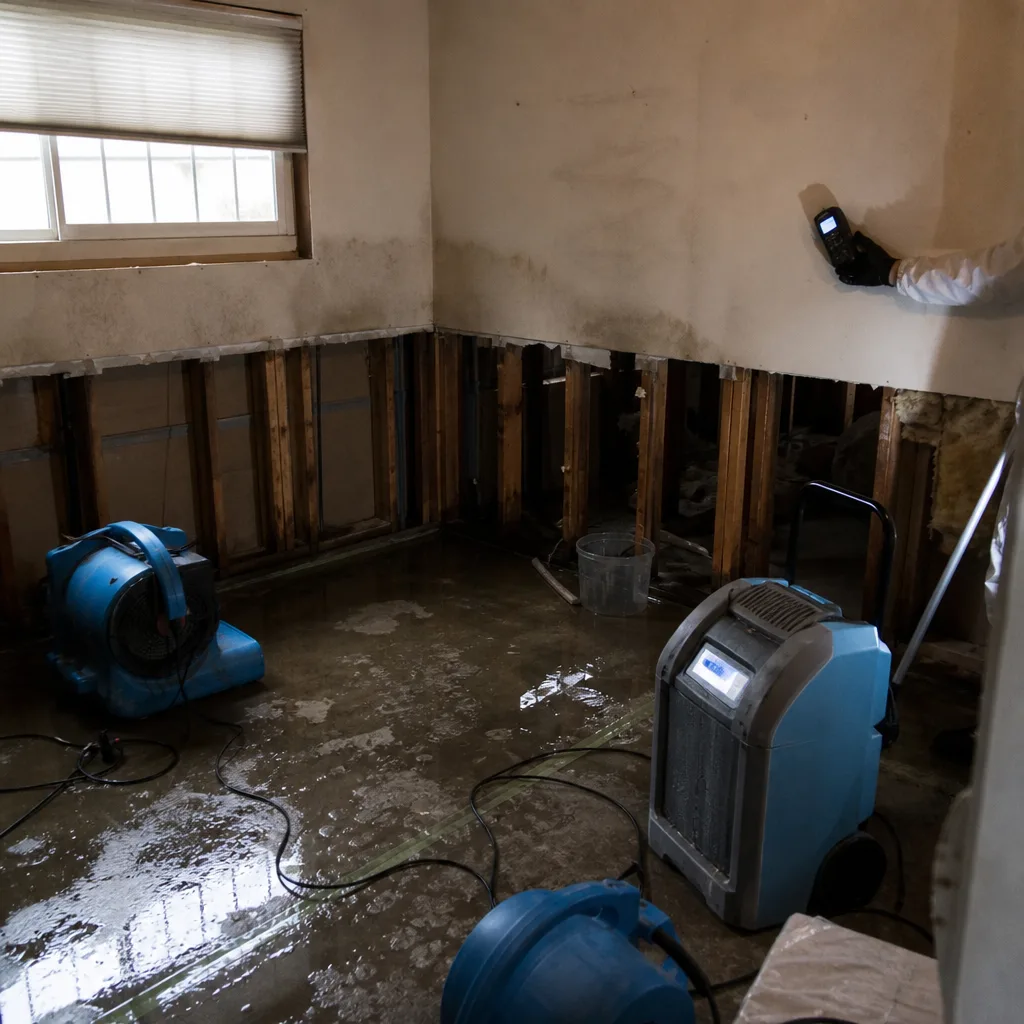 Before
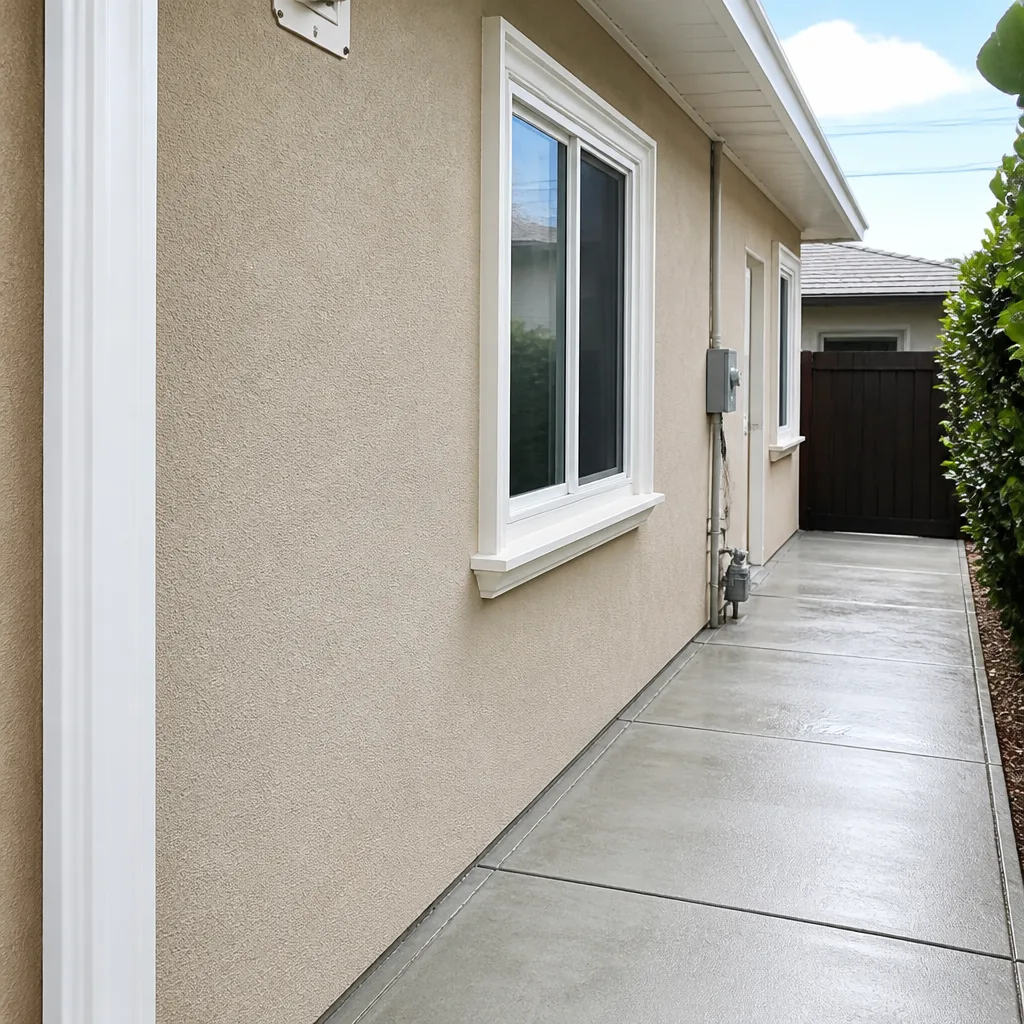 After
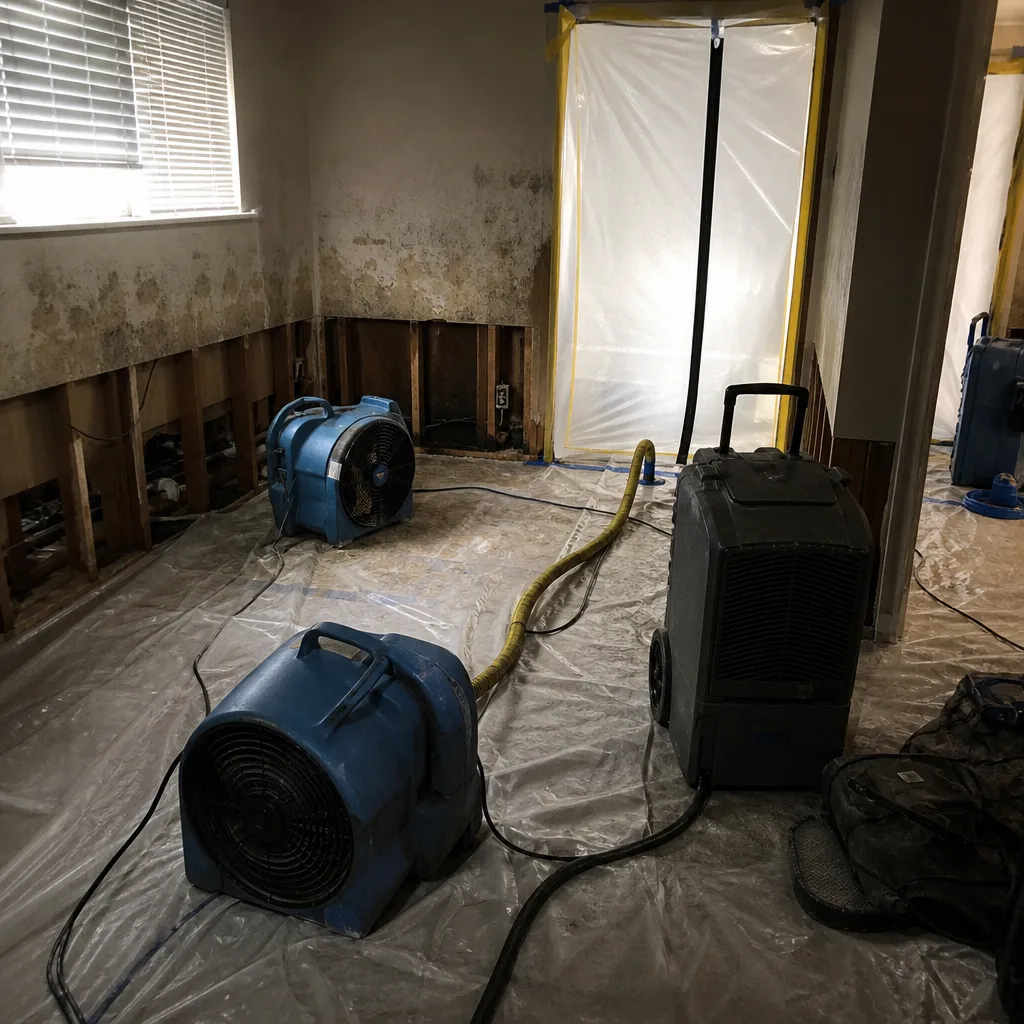 Before
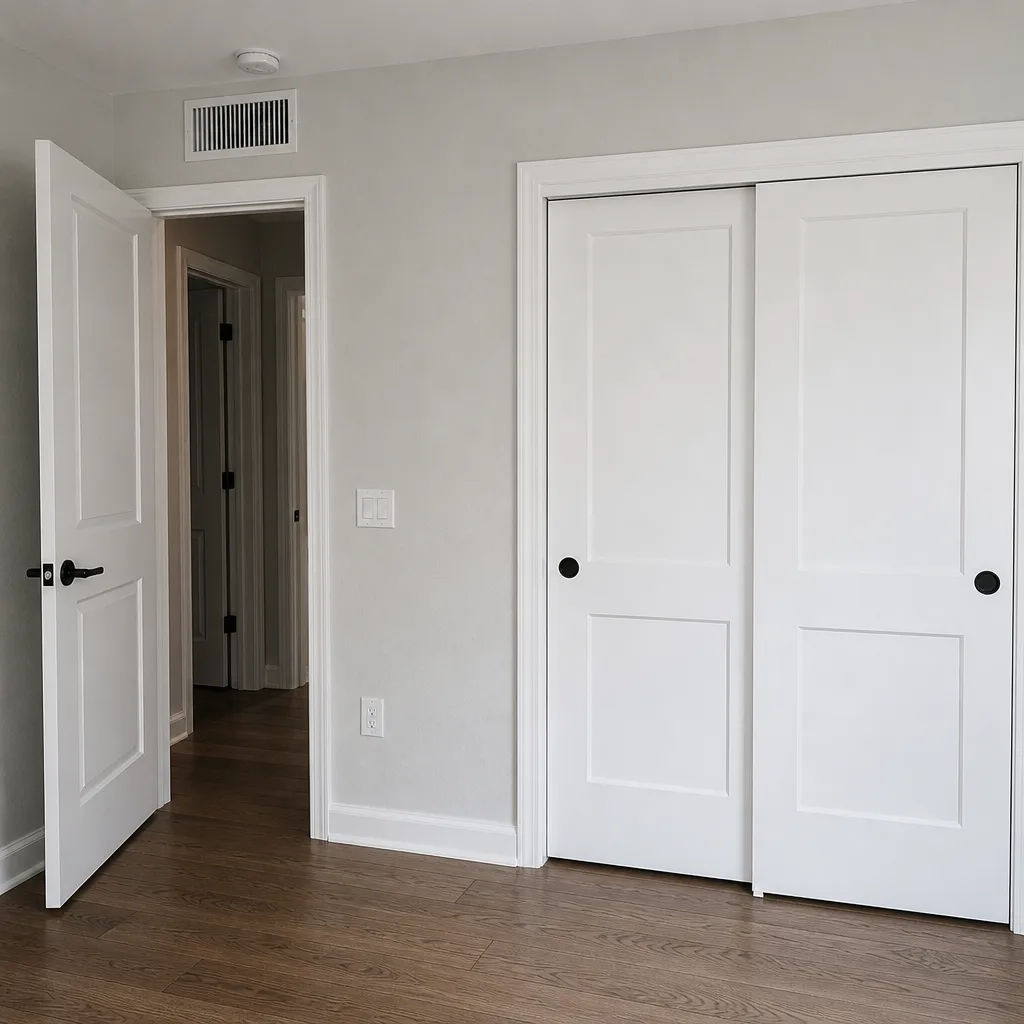 After
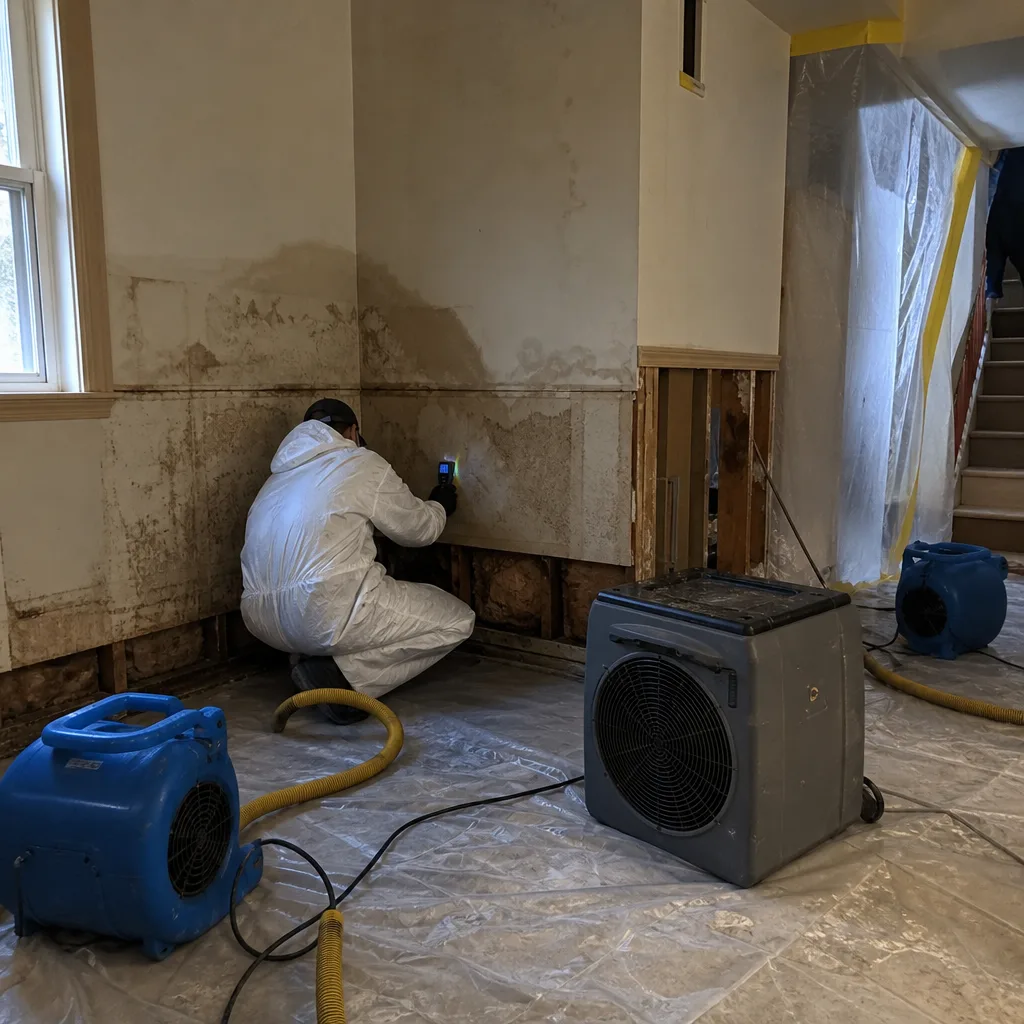 Before
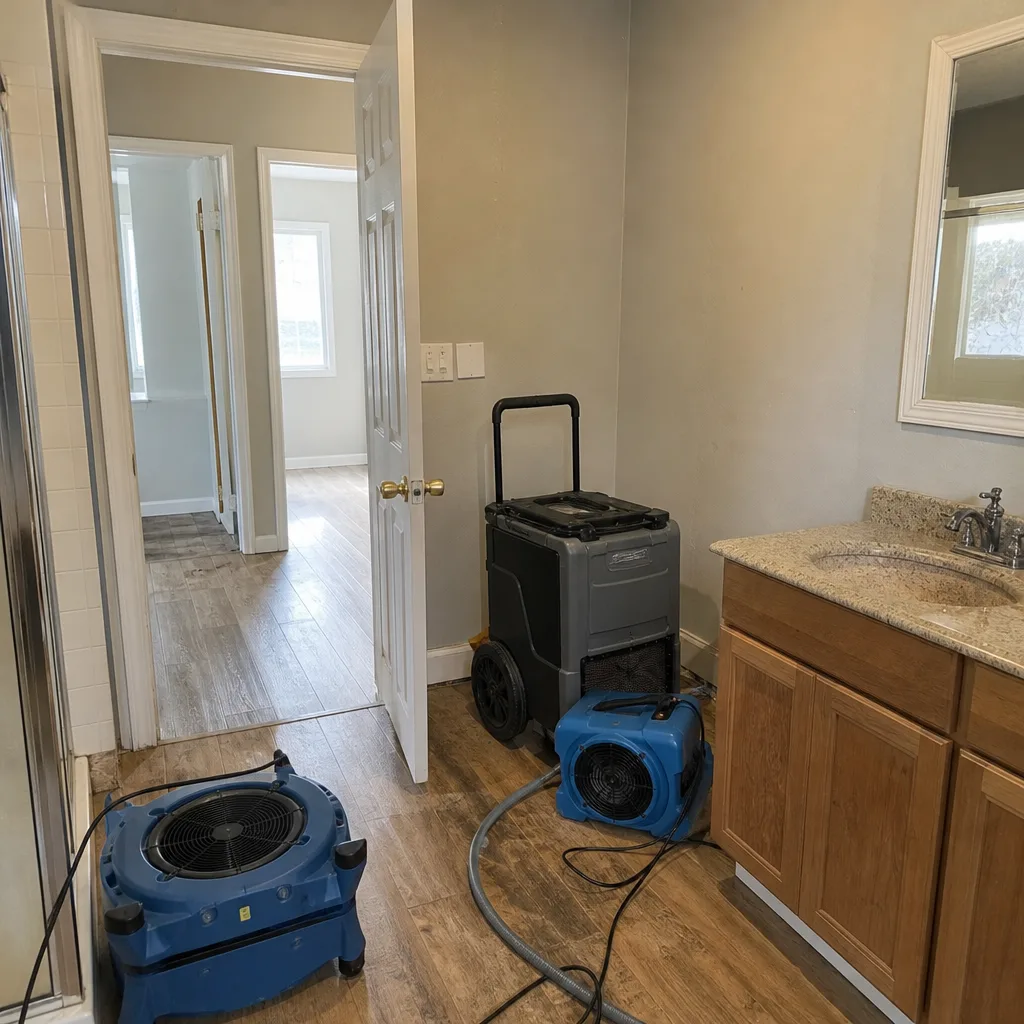 After
Trusted Brands We Service in Claremont
Claremont Water Damage Restoration means working on homes built before modern framing conventions, so our equipment has to be precise, not just powerful. We run Dri-Eaz dehumidifiers and Phoenix air movers on Claremont jobs because they’re calibrated for steady, controlled drying that doesn’t shock old wood or crack historic plaster. For wall and floor cavity drying, our Injectidry system is the reason we can often save a wall another contractor would tear out. Because we own our equipment instead of renting, the machines arrive clean, testing current, and matched to the job; no waiting on a rental counter. We service homes across the 91711 zip code, and we stock the filters, hoses, and sensors needed to keep a Claremont job moving in one visit.
We Also Serve Cities Near Claremont
Our Claremont crews also cover the surrounding foothill and valley communities, including Montclair, La Verne, Upland, and San Antonio Heights. If you’re in one of those cities and you need water, mold, or fire restoration, you’re still getting the same IICRC-certified process and the same equipment-forward approach we use in Claremont. One team, start to finish, wherever the damage is in this corner of the Inland Empire.
How Claremont’s Historic Housing Stock Changes the Drying Math
Most water damage restoration pages will tell you to “dry fast and fully.” In a 1920s Claremont Craftsman, drying too aggressively can destroy what the water didn’t. Lath-and-plaster walls can look stable for weeks after a leak, then crack when the wooden lath shrinks unevenly through an aggressive drying cycle. Redwood trim that’s been stable for a century will cup or split if you hit it with high-velocity air for days. Original clay tile roofs can’t be walked like composition shingle, and attic access through small scuttle holes changes how we stage equipment. These aren’t aesthetic concerns; they’re structural and financial ones. A generic drying protocol that’s perfect for a Montclair ranch can ruin $40,000 in original materials in Claremont in a single week. That’s why we adjust air movement, heat, and drying duration for the substrate, and why our technicians document every material type before equipment goes in. Dry smarter, demolish less isn’t a slogan here; it’s the only way to work in this city.
We saw this play out on a late-summer job north of Foothill Boulevard: a thunderstorm sent muddy runoff from the burned San Gabriel slopes into the crawlspace of a 1920s Craftsman bungalow. Our crew used water extraction and moisture mapping to find saturated sill plates, then set up containment with Dri-Eaz dehumidification and air movers to dry the original redwood framing without touching the historic plaster above. We logged moisture readings daily in drying logs and finished with an antimicrobial treatment to prevent mold in the damp crawlspace, all while preserving the home’s pre-loss condition. That’s the Claremont version of a flood job.
Serving Claremont, CA — Our Local Coverage Area
We’re based in the Claremont area and know this community well. Use the map below to see our service coverage — if you’re nearby, we can almost certainly help.
FAQs About Water Damage Restoration in Claremont
We use low-grain Dri-Eaz dehumidification at moderate temperatures with moisture meters tracking daily progress, and we rely on Injectidry cavity drying for walls and floors instead of tearing them open. Plaster and redwood dry best when air movement and heat are controlled, not maximized, and we adjust the drying plan daily based on readings from each material surface. The goal is to reach IICRC drying standards without shocking old wood or blowing out plaster keys.
Mudflow after a thunderstorm in north Claremont carries silt, ash, and debris into crawlspaces and garages, and that slurry is category 3 water that can’t be treated as a simple flood. We extract the silt first, then map moisture in every affected cavity, treat exposed surfaces with antimicrobial, and dry the remaining materials with sealed containment. Porous materials like insulation and carpet in direct contact with that water are removed; structural wood is dried in place when possible.
Mold can start growing within 24 to 48 hours after a leak, and in Claremont’s winter months when the marine layer holds moisture in Coastal-adjacent air, crawlspaces and wall cavities stay damp longer than dry-season leaks do. The timeline is shorter than most homeowners expect: by the time a plaster ceiling shows a stain, the framing behind it has often been wet for weeks, and mold may already be present in the attic or wall cavity. That’s why we recommend a moisture assessment within 24 hours of discovering a leak, not just the visible stain.
Yes, every water damage restoration job in Claremont follows IICRC S500 standards for water restoration and S520 for mold remediation where applicable. Those standards define the drying targets, the moisture readings we’re required to reach, and the documentation we keep for your insurance file. Noel Carrasco’s team holds IICRC certification, which means the process is independently verifiable, not just an internal checklist.
In many cases, yes, and we avoid full pack-outs whenever the affected materials can be dried in place and verified to standard. The limiting factors are the water category and how much silt and debris reached your belongings; upholstered items, mattresses, and porous textiles that contacted category 3 water usually cannot be safely restored and should be removed. For the structure and hard materials, we can often keep everything in place using containment, cavity drying, and daily moisture logging. We’ll give you a straight answer after the first assessment, and we won’t recommend a pack-out just to inflate the job.
Call Mahogany Water Damage for Claremont Restoration
If you’re looking at a stained ceiling, a damp crawlspace, or a flooded floor in Claremont, call us. We’ll send a crew that knows this city’s homes, with equipment that fits the job and a written scope before any work begins. (855) 356-4970. Available 24 hours for emergency water extraction in Claremont, and free estimates for non-emergency assessments.
Written by Noel Carrasco, Owner at Mahogany Water Damage, serving Claremont and the Inland Empire.