
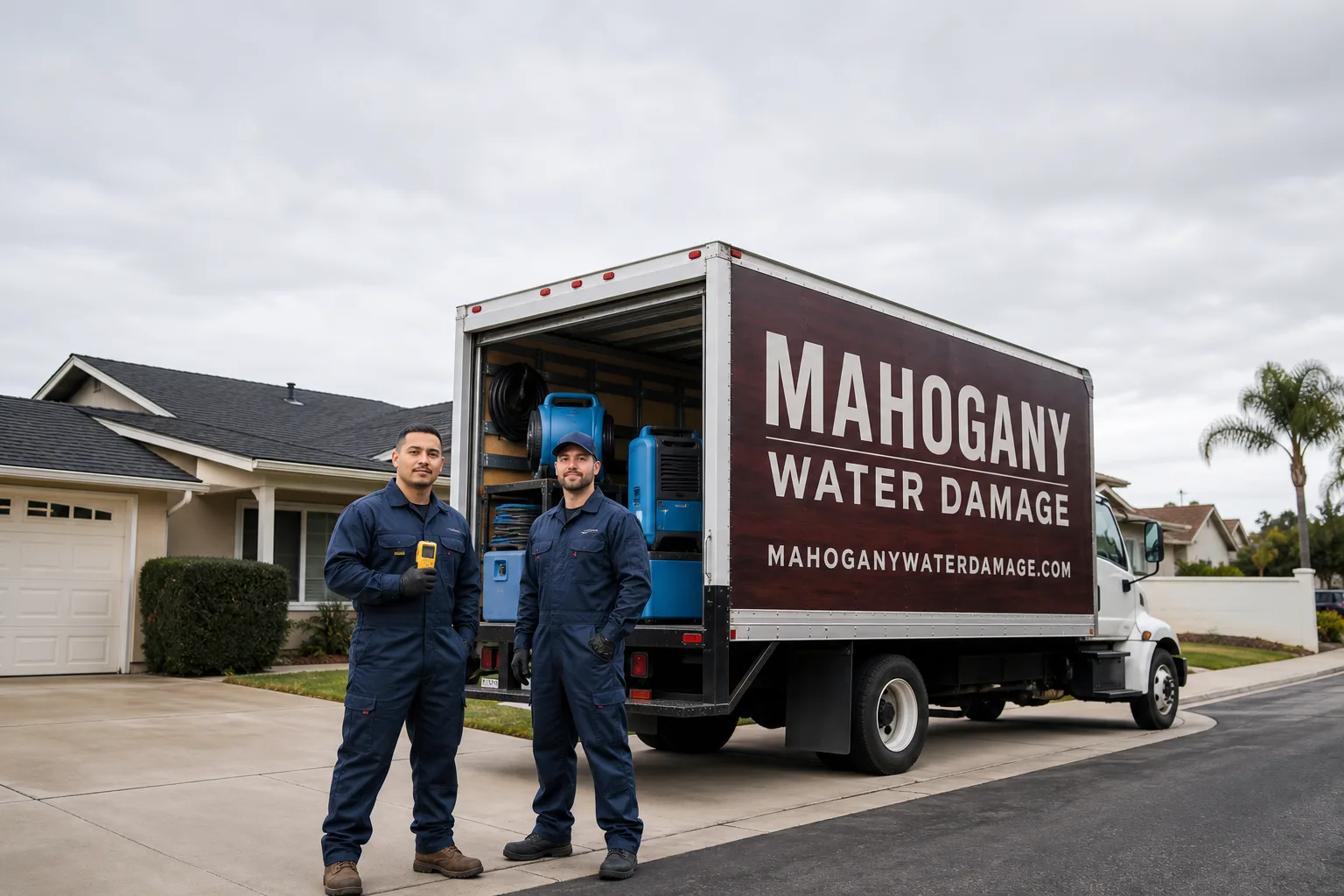
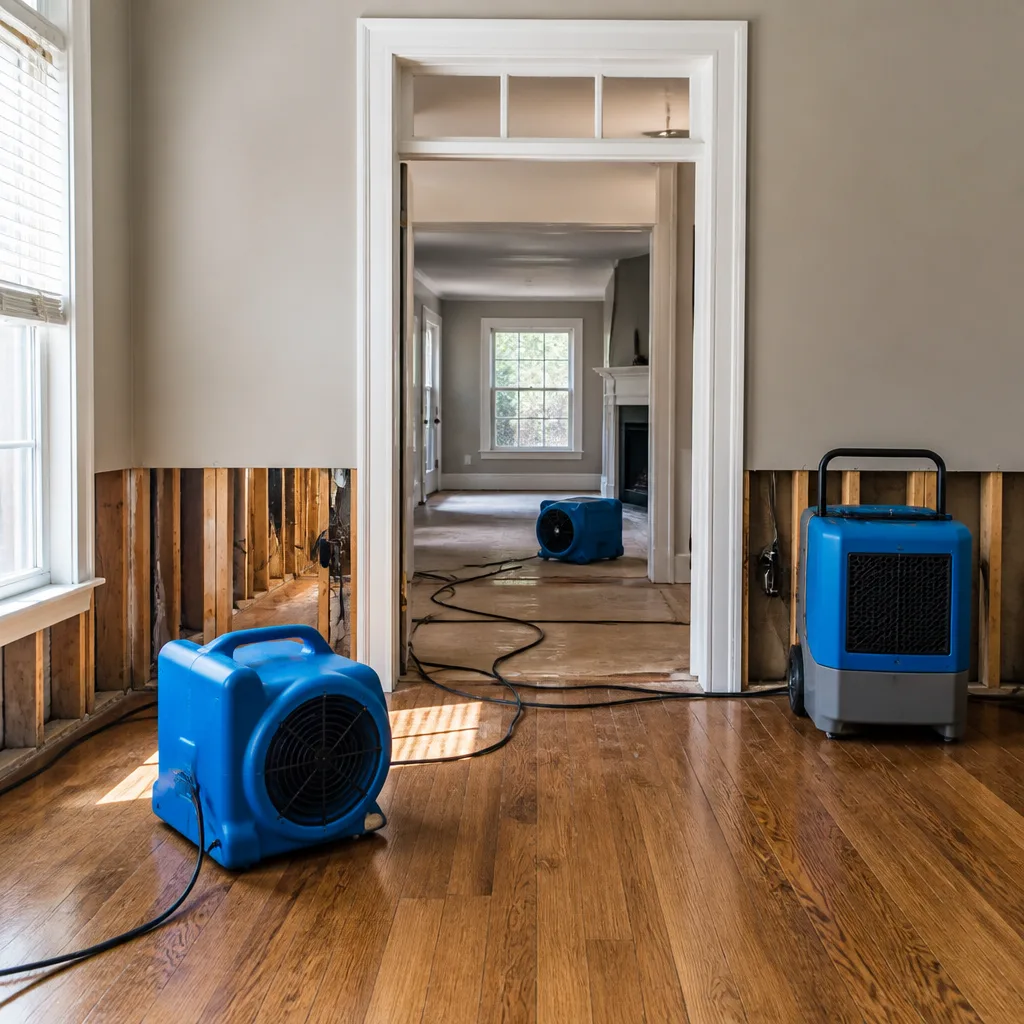
 Water damage drying
 Fire & smoke cleanup
 Mold remediation
 Storm response
 Sewage cleanup
 Reconstruction
Free visual inspection and a written scope of work before any mitigation begins - photos, moisture readings, and drying logs go in your claim file
The scope we write is the scope we bill. Anything new gets shown to you, in writing, before we touch it.
Get your free estimateFast, Reliable Water Damage Restoration Across La Verne
Water damage restoration in La Verne typically costs $1,800 – $4,600 for a standard room-scale mitigation, with emergency water extraction alone running $600 – $1,400 depending on square footage and water category. When a supply line lets go in a mid-century tract home off Foothill Boulevard or an attic leak soaks through a ceiling near the University of La Verne, you need a crew that understands the local building stock and the Santa Ana wind-and-rain cycle that shapes water damage here. That’s us. Mahogany Water Damage has been handling flood extraction, structural drying, and water damage repair in La Verne with commercial-grade equipment, IICRC-certified processes, and a written scope before any work starts. If water is moving through your home right now, call (855) 356-4970. We answer live, and we can have a certified crew in La Verne quickly.
Why Mahogany Water Damage Is La Verne’s Preferred Water Damage Restoration Company
La Verne homeowners call us for two reasons. First, they’ve seen or heard about the crews we run: Dri-Eaz and Phoenix drying systems, Injectidry targeted-injection drying for walls and cavities, and moisture mapping on every job, not just the obvious puddle. Second, they’ve dealt with the alternative story, a generalist contractor who sets a couple of box fans and walks away. That approach leaves moisture in the building envelope, and in a dry-then-wet climate like La Verne’s, trapped moisture turns into mold in a matter of weeks. Our Water Damage Restoration team does the opposite. We measure moisture room by room, dry to standard, and document everything for your adjuster.
Being local to the San Gabriel Valley matters more in La Verne than in most cities. The homes here are not uniform. An Old Town La Verne bungalow with original lath-and-plaster walls dries completely differently from a 1970s tract house on the valley side or a hillside custom home near the foothill edge. We calibrate the drying plan to the structure we’re standing in, not a generic template. Noel Carrasco, our founder, built the company around that principle. Same equipment every job, same standards, same person accountable from the first extraction to the final moisture reading.
Restoration work we handle
Emergency Water Removal in La Verne
Emergency Water Removal in La Verne is the first move when a pipe bursts, a water heater fails, or a winter storm sends runoff through a foothill drain onto a slab. We extract standing water within hours of your call, because the clock determines whether your flooring, drywall, and baseboards survive. A standard single-room extraction in La Verne runs $600 – $1,400. That includes truck-mounted extraction, removal of unsalvageable padding, and beginning the drying system layout. You’ll get a written scope so you’re not guessing at what comes next.
What We Do On Arrival
First, we locate and stop the source if it’s still active. Even a slow supply-line leak behind a wall keeps feeding water into a room, and no amount of drying fixes an open line. Then we map moisture across the affected area. Old Town La Verne homes with plaster over wood lath hold water differently than drywall, so we take readings off the floor, the baseboards, and the wall cavities before we commit to an equipment plan.
Why Speed Changes the Outcome
La Verne’s hot, dry summer air can mask a problem: carpet feels dry on top while the pad and slab are still saturated. That’s false dry, and it’s the most common reason restoration jobs get reopened weeks later. Our moisture readings catch it. In winter, the opposite happens. Rainwater intrusion stays visible longer, but the colder air slows natural evaporation, which means the window for mold growth is working against you. Faster extraction means fewer square feet needing replacement.
Flood Damage Restoration in La Verne
Flood Damage Restoration in La Verne hits differently than in most Southern California cities, because the water coming in often carries mud, ash, and debris off burned foothill slopes. That’s not Category 1 clean water. It’s Category 2 or 3, and treating it like tap water spreads contamination through the house. A full flood restoration in La Verne, including extraction, antimicrobial treatment, structural drying, and repairs, typically lands between $3,000 and $8,500 depending on the number of rooms and the water category. We scoped jobs for homes along the base of the San Gabriels where ash-laden runoff sheared along a foundation and pushed silty water under a slab-on-grade. Those homes need containment and proper disposal, not just a few fans.
Post-Fire Runoff and Mud Intrusion
When the Bobcat Fire and earlier burn seasons stripped foothill vegetation, they changed the drainage behavior on the slopes above La Verne. A moderate winter storm that once soaked into brushland now flashes down canyon mouths and channels. Homes that never flooded now do. The water carries silt, ash, and organic debris, and it works its way into window wells, under doors, and through slab cracks. The damage looks like water, but it also contains combustion byproducts from months-old fire residue. We treat it as contaminated, set containment, and sanitize before drying begins.
Full-Scale Drying After a Flood
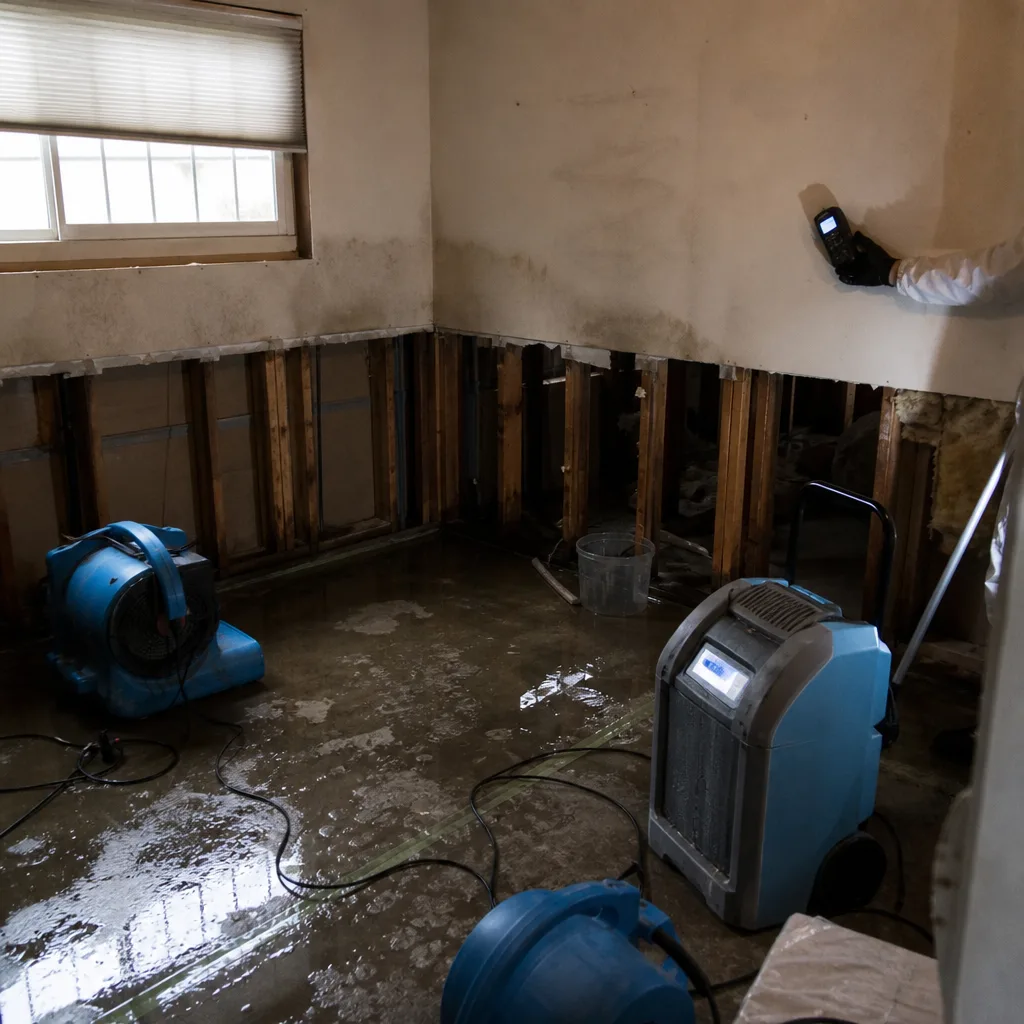
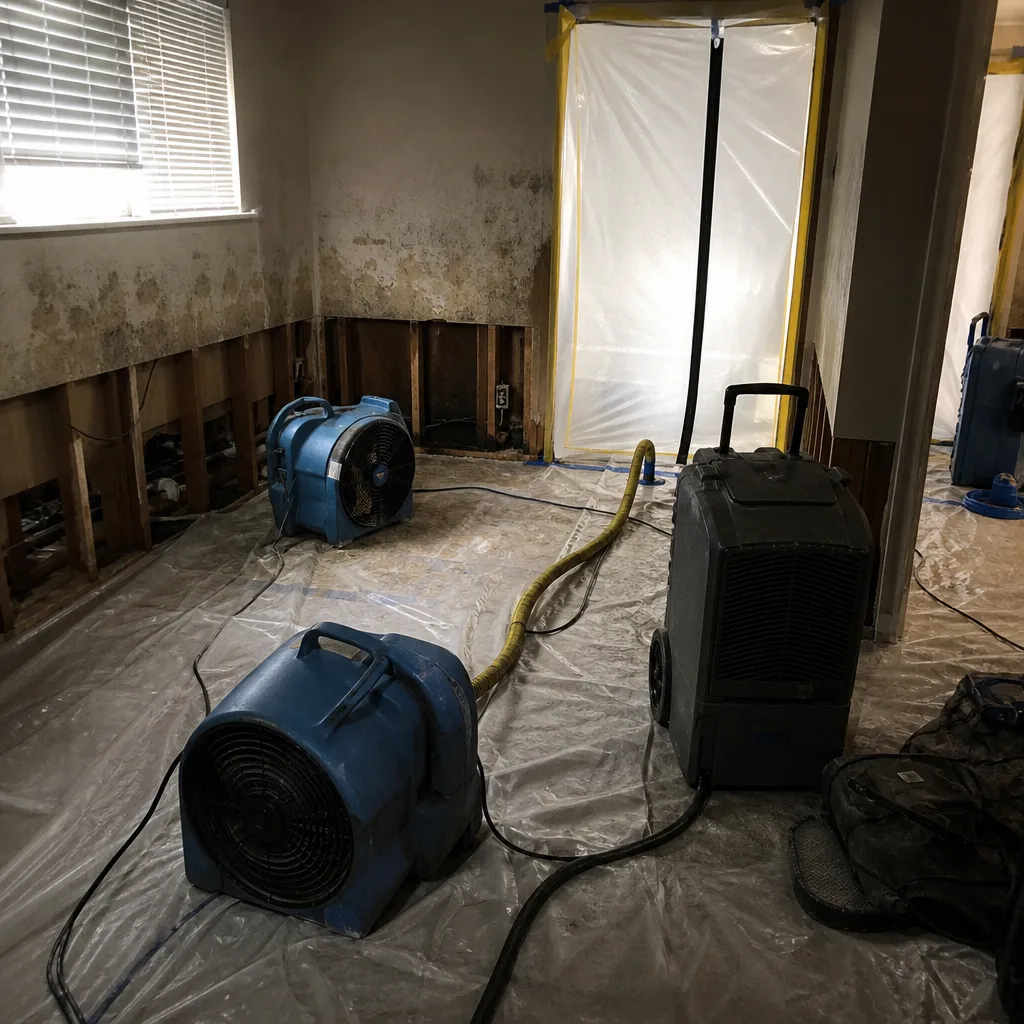
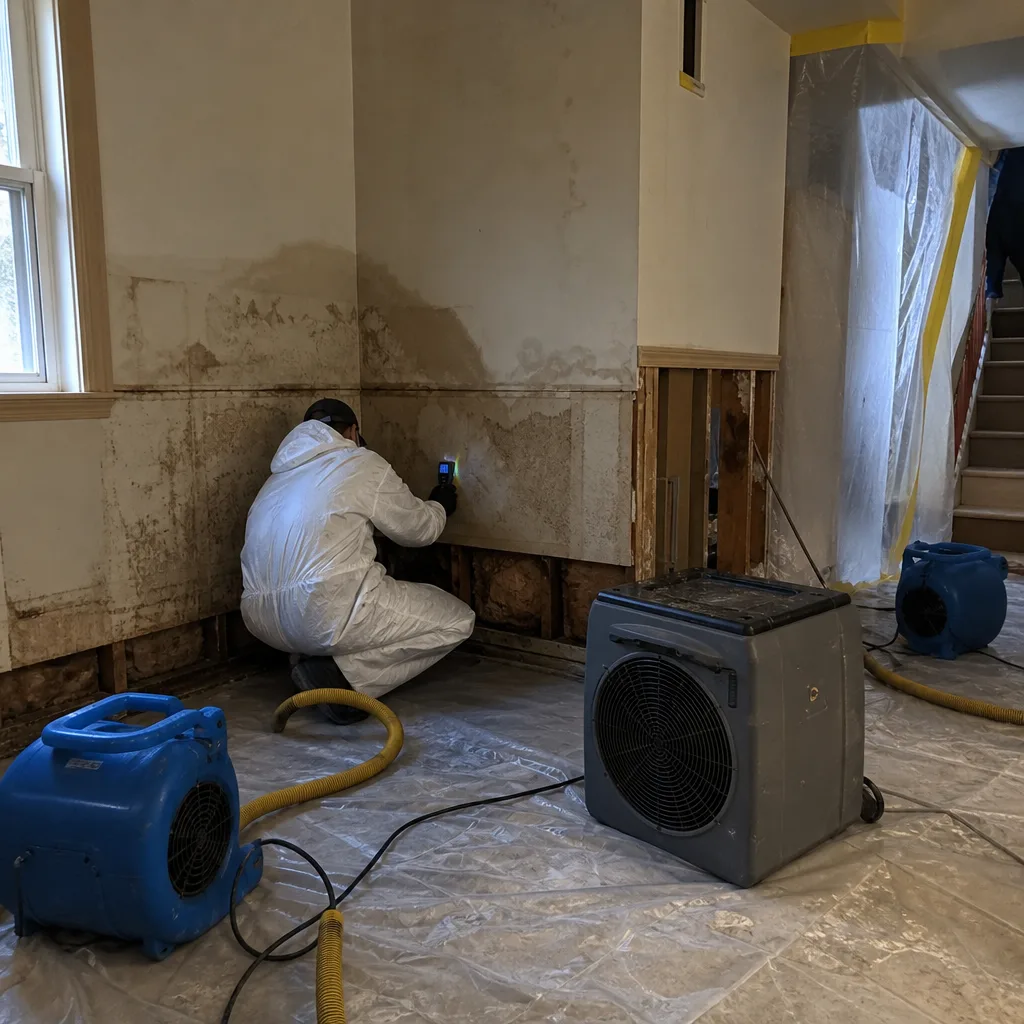
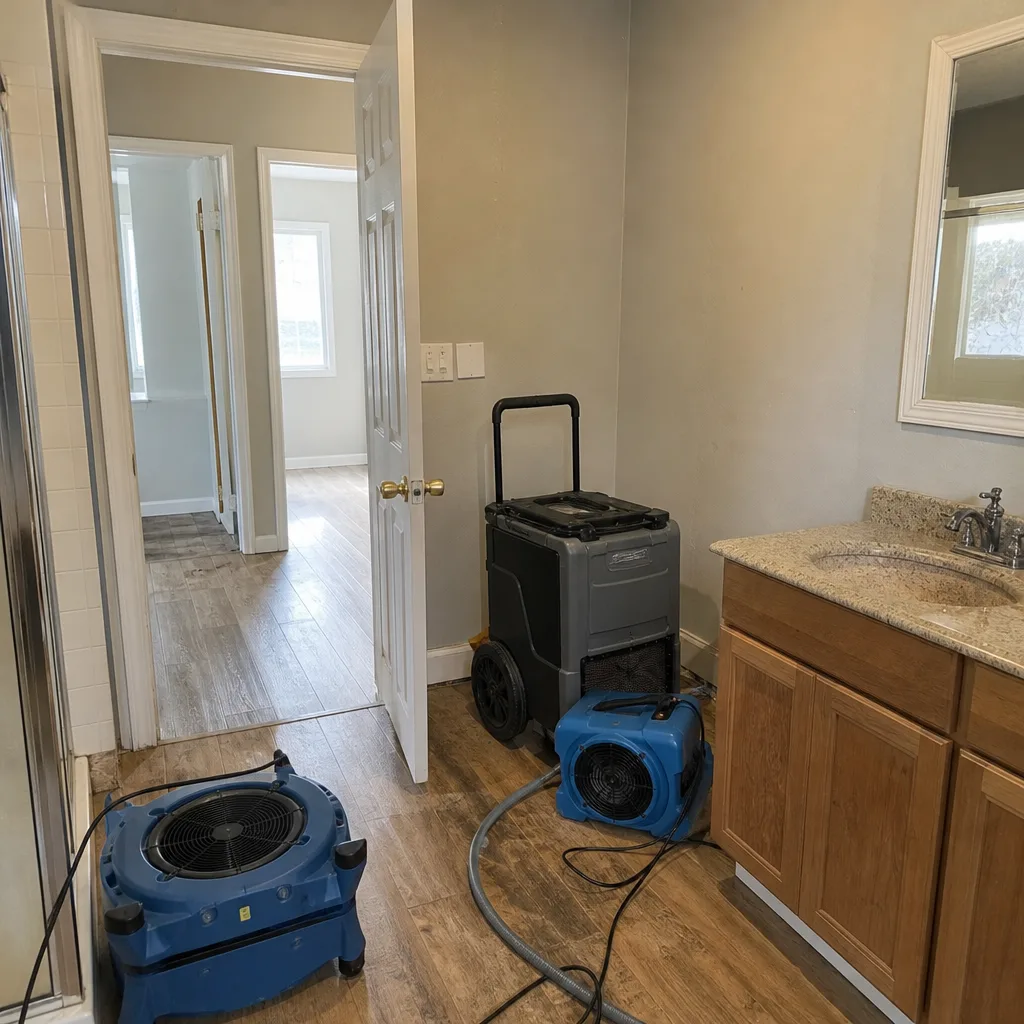
Once the contaminated water is out and the affected rooms are clean, we deploy the drying bank. A La Verne flood job typically runs four to six Dri-Eaz air movers plus a Phoenix dehumidifier for every two rooms, with daily readings until the building envelope returns to its baseline moisture content. The burn-cycle properties here are deceptive: a Santa Ana weekend dries surface soil quickly, so homeowners think the house is fine. But slab and sill plates can stay wet for weeks. We don’t sign off until the readings prove it’s dry, not until the floor feels dry.
Trusted Brands We Service in La Verne
La Verne homeowners have brand preferences when it comes to flooring, cabinetry, and fixtures, and we respect that. Our restoration work gets spec’d to the home’s finishes, not to whatever is cheapest or easiest to replace. We routinely service water damage in homes with original hardwood in Old Town La Verne, mid-century tile and terrazzo in the 91750 tract neighborhoods, and custom slate and stone on the hillside properties. We also coordinate with your existing contractor if walls or floors need precise matching after drying. Our equipment fleet includes Dri-Eaz, Phoenix, XPOWER, and B-Air, which means the drying system matches the job size. And for plaster, stucco, and slab-on-grade problems, our Injectidry system gets moisture out of cavities without tearing out finishes that would be impossible to match in an older La Verne home.
See the difference
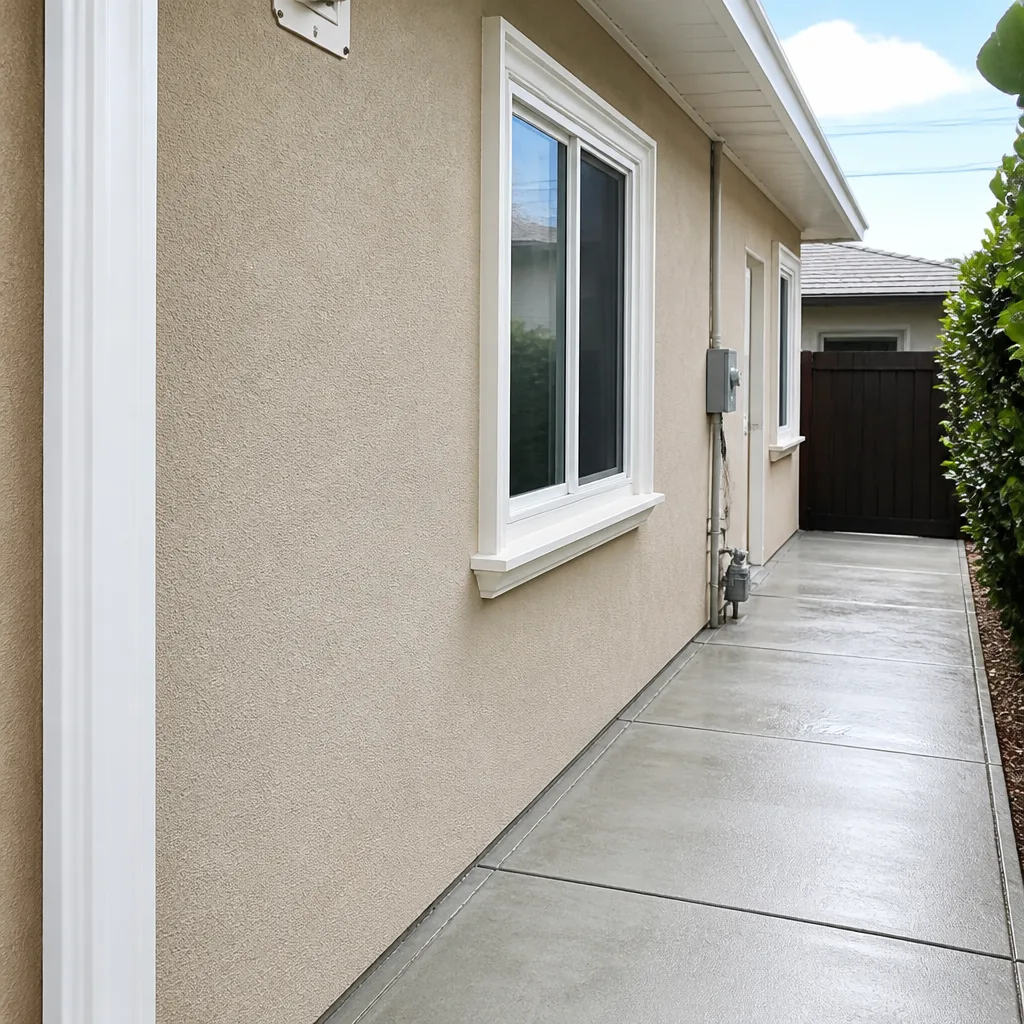
 Before
 After
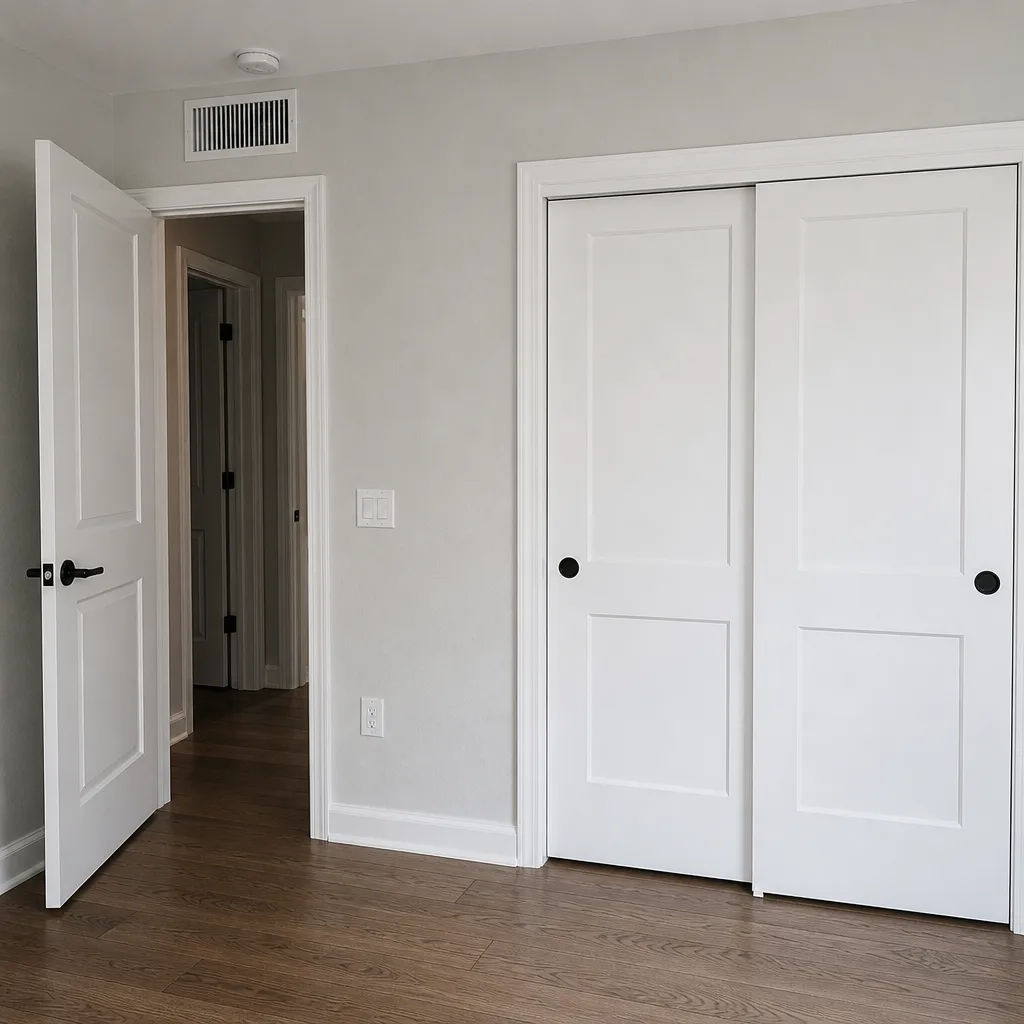
 Before
 After
 Before
 After
Common Water Damage Restoration Problems We See in La Verne Homes
- Assuming foothill runoff is clean water. The mud and ash-laden water that flows off burned slopes above La Verne is Category 2 or 3. Drying it like tap water without antimicrobial treatment lets contamination spread behind walls and under flooring.
- Treating the water but ignoring the smoke damage link. A home that took ember and smoke intrusion during fire season often has hairline roof or window leaks from the same wind event. Fixing the flood damage without checking the whole envelope means a second restoration later.
- Drying old plaster on a flat schedule. Original lath-and-plaster walls in Old Town La Verne and mid-century homes hold moisture differently than modern drywall. A standard three-day fan plan won’t cut it. These structures need their own moisture readings before anyone signs off.
- Waiting for visible water to recede before calling. Slab-on-grade homes near the La Verne foothills can hide water in the sill plates and under baseboards for days. By the time staining appears, the structure is already compromised. We see this most often after the first winter storm following a dry Santa Ana stretch.
Pricing for Water Damage Restoration in La Verne, CA
Here’s what La Verne homeowners should expect to pay. Emergency water extraction alone: $600 – $1,400 per room. Standard water mitigation with extraction, drying equipment, and daily monitoring: $1,800 – $4,600 for a typical two-room loss. Flood restoration with Category 2 or 3 water, including containment, antimicrobial treatment, and structural drying: $3,000 – $8,500 depending on square footage and damage depth. The biggest cost drivers in La Verne are water category (ash-laden runoff costs more to handle than a clean supply line), the age of the home’s envelope, and whether plaster or custom finishes need targeted drying instead of replacement. Every job gets a written scope before work starts, and we bill directly to insurance where applicable. Call (855) 356-4970 for a free estimate, and we’ll walk you through what your specific situation should cost.
We Also Serve Cities Near La Verne
If your property sits just outside the 91750 ZIP, we cover the full inland foothill corridor. That includes Claremont, Pomona, Montclair, and Upland, all within a short dispatch of our Fullerton shop. For the complete picture of how we approach damage restoration in this part of the San Gabriel Valley, visit our Water Damage Restoration in La Verne page, which details service areas and response times for the foothill communities.
Serving La Verne, CA — Our Local Coverage Area
We’re based in the La Verne area and know this community well. Use the map below to see our service coverage — if you’re nearby, we can almost certainly help.
FAQs About Water Damage Restoration in La Verne
No. Runoff that crosses a burned slope picks up ash, soot, silt, and organic debris, and by the time it reaches a La Verne home at the base of the foothills it is Category 2 or 3 water. Category 2 carries significant contamination. Category 3 is grossly contaminated and may carry pathogens. We handle both with containment, antimicrobial treatment, and proper disposal, not just extraction and drying. Before you call, note where the water came from, and we’ll advise the right category on arrival. Call (855) 356-4970 if you have water entering your home now.
Within hours, not days. Mold colonization can begin in 48 to 72 hours in La Verne’s climate, and the warm shoulder-season temperatures here accelerate it. For a clean water supply line break, you have a little more cushion. For ash-laden runoff or sewage, we want equipment running same-day. Call (855) 356-4970 and we’ll give you a straight answer on timing based on the water source.
Yes, and you should not have to coordinate two separate restoration companies for it. Mahogany Water Damage handles the full damage trilogy, water, mold, and fire, under one roof. That matters in La Verne specifically because the same home can take ember-driven smoke damage in fall and then ash-laden water intrusion in winter. One written scope covers the whole envelope so there’s no gap between what the smoke crew saw and what the water crew finds. Noel Carrasco’s team is IICRC-certified across the water and fire restoration categories, and we hand you one point of accountability start to finish.
Absolutely. Plaster over wood lath absorbs water slowly and releases it slowly, and the wall cavities in those older La Verne homes are often irregular and uninsulated. Standard drying algorithms based on drywall will pull the equipment too early. We take moisture readings inside the cavities, not just on the surface, and we extend the drying plan until the plaster and the framing both hit their baseline. In some cases we use Injectidry targeted-injection drying to get air into the cavities without opening the plaster, which saves irreplaceable original walls from demolition.
On a typical foothill flood job, expect truck-mounted extraction for the standing water, a containment enclosure if Category 2 or 3 water is present, and then a drying bank of Dri-Eaz air movers paired with Phoenix dehumidifiers, with the number of units scaled to the affected square footage. If the water got into wall cavities or under a slab, we bring in Injectidry and possibly a floor-drying mat system. Every piece of equipment is owned, calibrated, and placed according to moisture readings, not guesswork. You’ll get a layout and a daily reading log so you can see the structure drying in real time.
If water or flood damage is happening in your La Verne home right now, don’t wait for a stain to spread. Call (855) 356-4970. We’ll walk you through the first steps over the phone and get a certified crew to your property fast. Estimates are free, and we’ll write the scope in plain language before any work begins.
Written by Noel Carrasco, Owner at Mahogany Water Damage, serving La Verne and the San Gabriel Valley.