 Water damage drying
 Fire & smoke cleanup
 Mold remediation
 Storm response
 Sewage cleanup
 Reconstruction
Free visual inspection and a written scope of work before any mitigation begins - photos, moisture readings, and drying logs go in your claim file
The scope we write is the scope we bill. Anything new gets shown to you, in writing, before we touch it.
Get your free estimateFast, Reliable Water Damage Restoration Across Orange
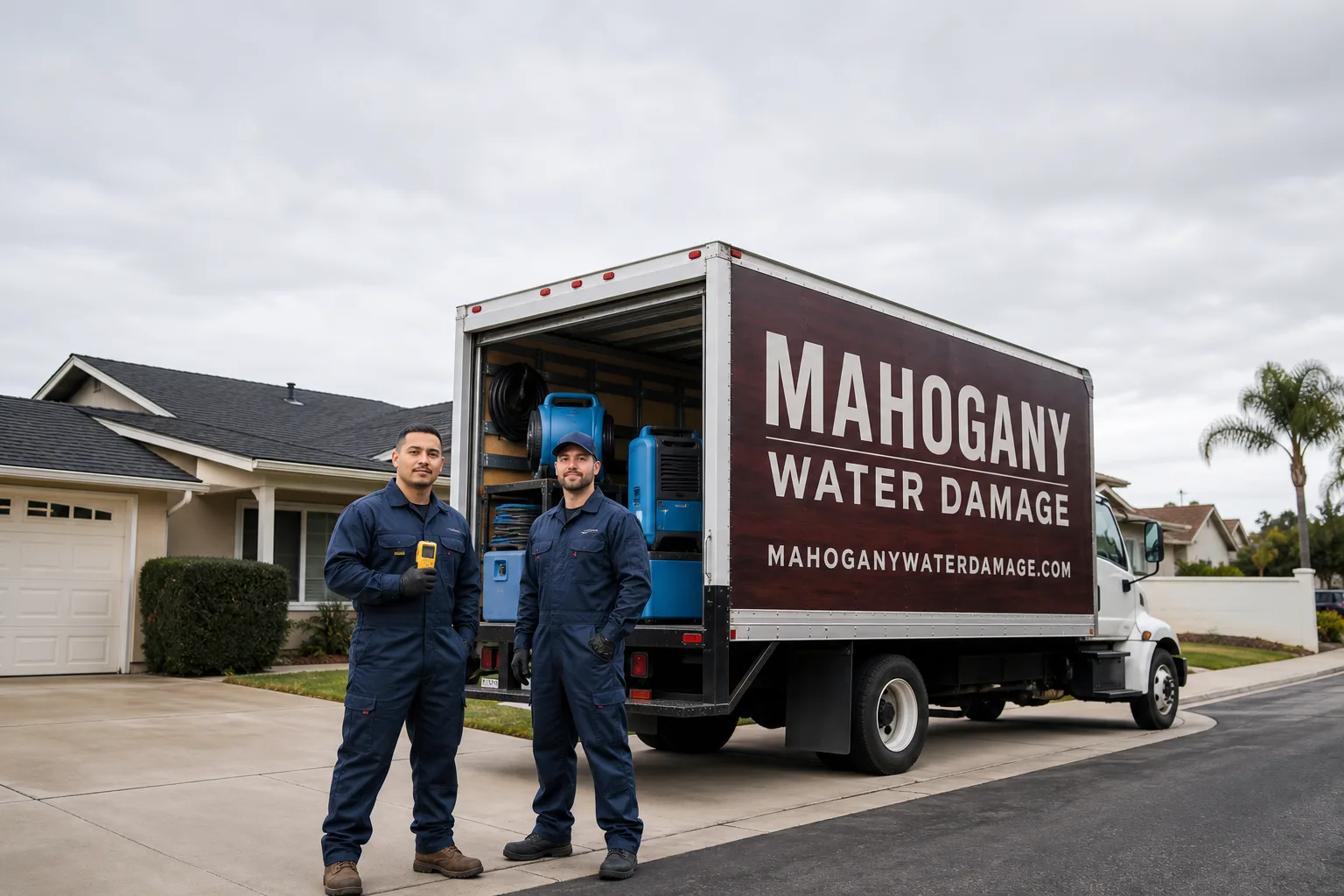
Water damage in Orange moves fast, especially during winter storms that hit the 92862 and 92863 ZIP codes hard. Whether you’re dealing with a burst supply line in a 1950s tract home east of Tustin Street or rain intrusion through original single-pane windows in Old Towne, the first 48 hours determine whether you’ll need drying or full reconstruction. We respond to Orange calls within 60 to 90 minutes, with commercial-grade Dri-Eaz and Phoenix drying systems already loaded on the truck. Call (855) 356-4970 the moment you see standing water, a ceiling stain, or warped flooring. We’ll walk you through the next step while we’re en route.
Why Mahogany Water Damage Is Orange’s Preferred Water Damage Restoration Company
Orange is not a simple market to restore. The housing stock splits almost perfectly in two: pre-1900s Craftsman bungalows and Victorians in the Old Towne Historic District, and 1950s-to-1970s tract homes spread through the east side. Each demands different drying strategies, different demolition decisions, and different material handling. We’ve worked both. Homeowners in Orange keep our number because we don’t treat a redwood frame and lath-and-plaster wall the same way we treat drywall over copper plumbing, and we don’t pretend otherwise.
Our IICRC-certified process matters here more than in most cities. Orange enforces preservation review on street-visible repairs in Old Towne, and that requires a restoration crew that understands material matching and documentation. Noel Carrasco has built our team around that standard: photograph everything, measure moisture before and after, and never tear out what can be saved. The reviews we receive from Orange homeowners consistently mention the same things: on time, clear about costs, and willing to coordinate with the city when permits come into play.
Response time in Orange is straightforward. We’re based in Fullerton, and the 5 or 22 freeway puts us in most Orange neighborhoods within an hour. For water extraction, that speed is the difference between salvaging original hardwood and scheduling a replacement.
Restoration work we handle
Water Extraction in Orange
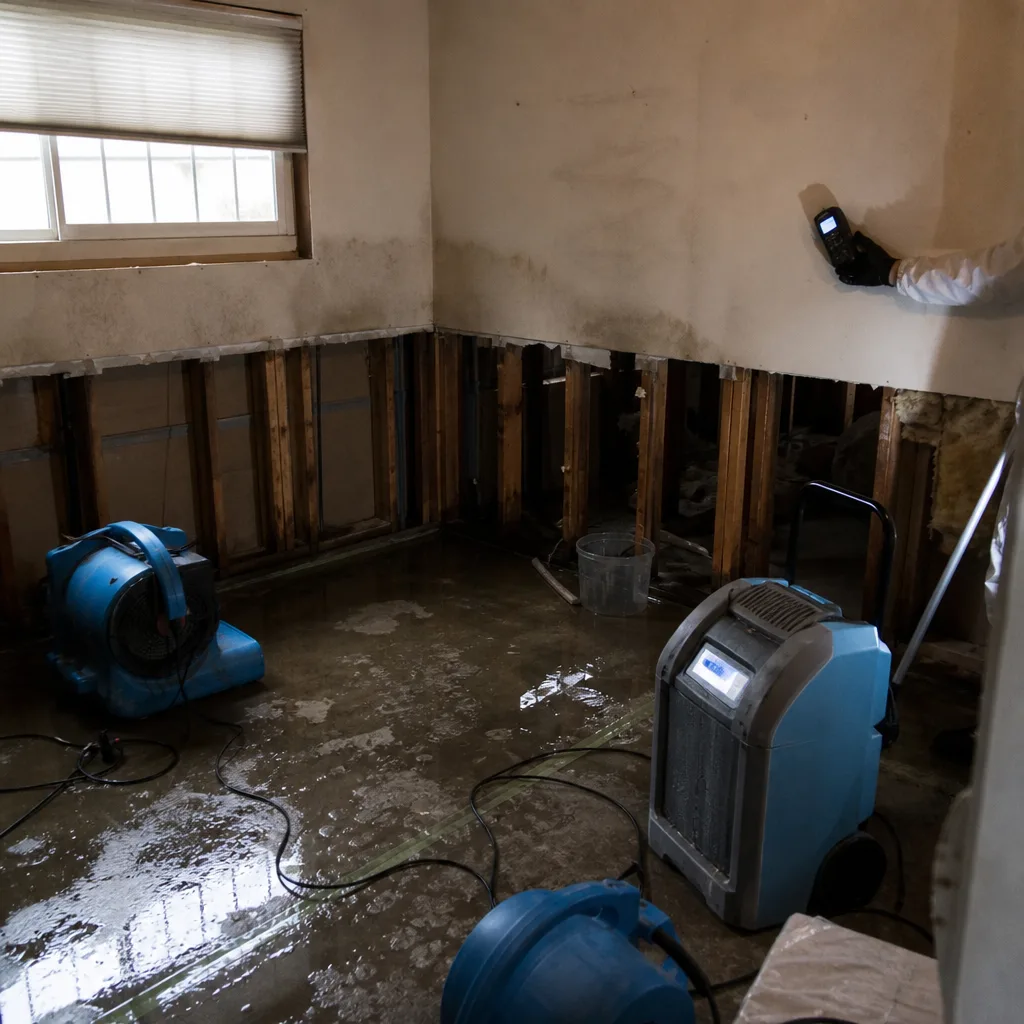
Water extraction in Orange typically means removing standing water from a specific room or level of a home, and the cost runs $400 to $1,200 depending on square footage, water depth, and whether contents need moving. Most Orange calls involve a failed water heater in a garage that’s soaked into an adjacent wall, or a supply line break under a kitchen sink that has flooded the floor before anyone noticed. In Old Towne, extraction often becomes preservation work: original fir or oak flooring can survive if water is pulled quickly and drying starts before cupping sets in.
Removing Water Without Losing Original Materials
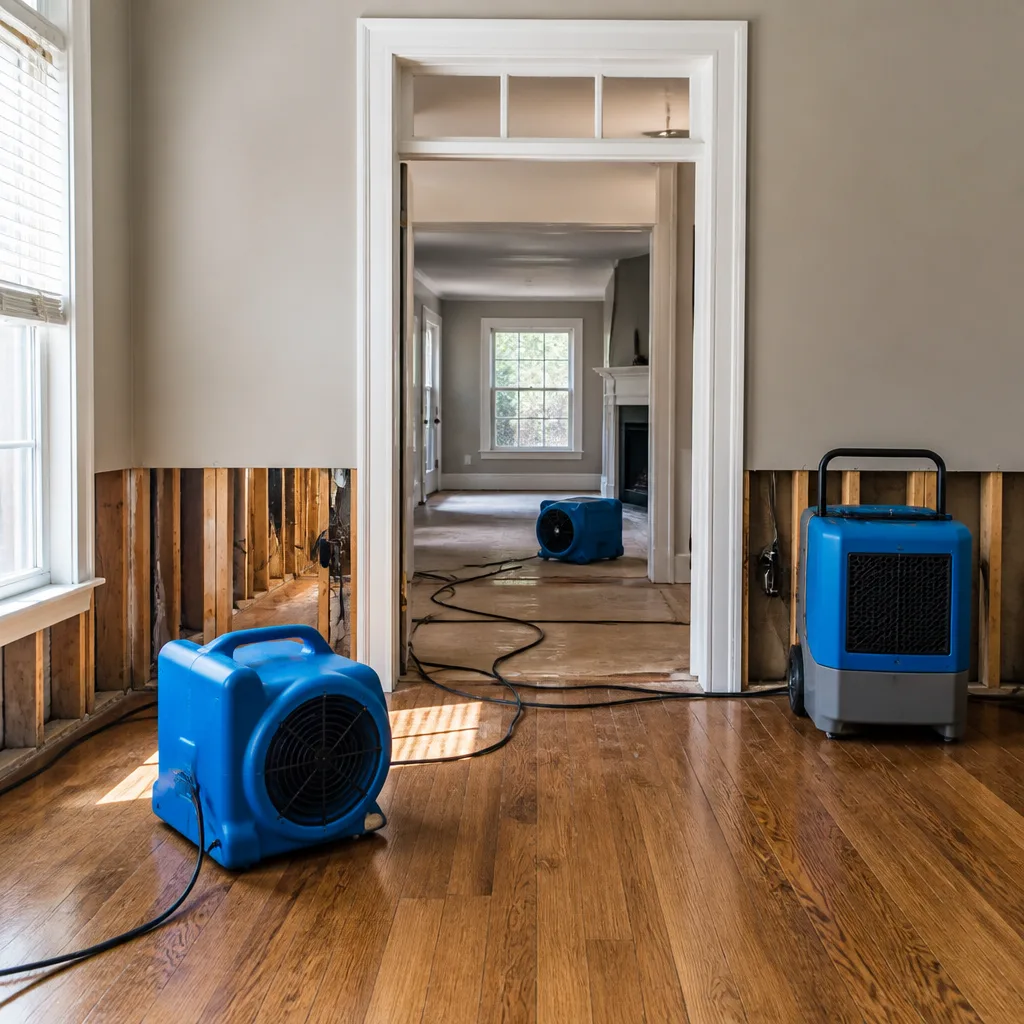
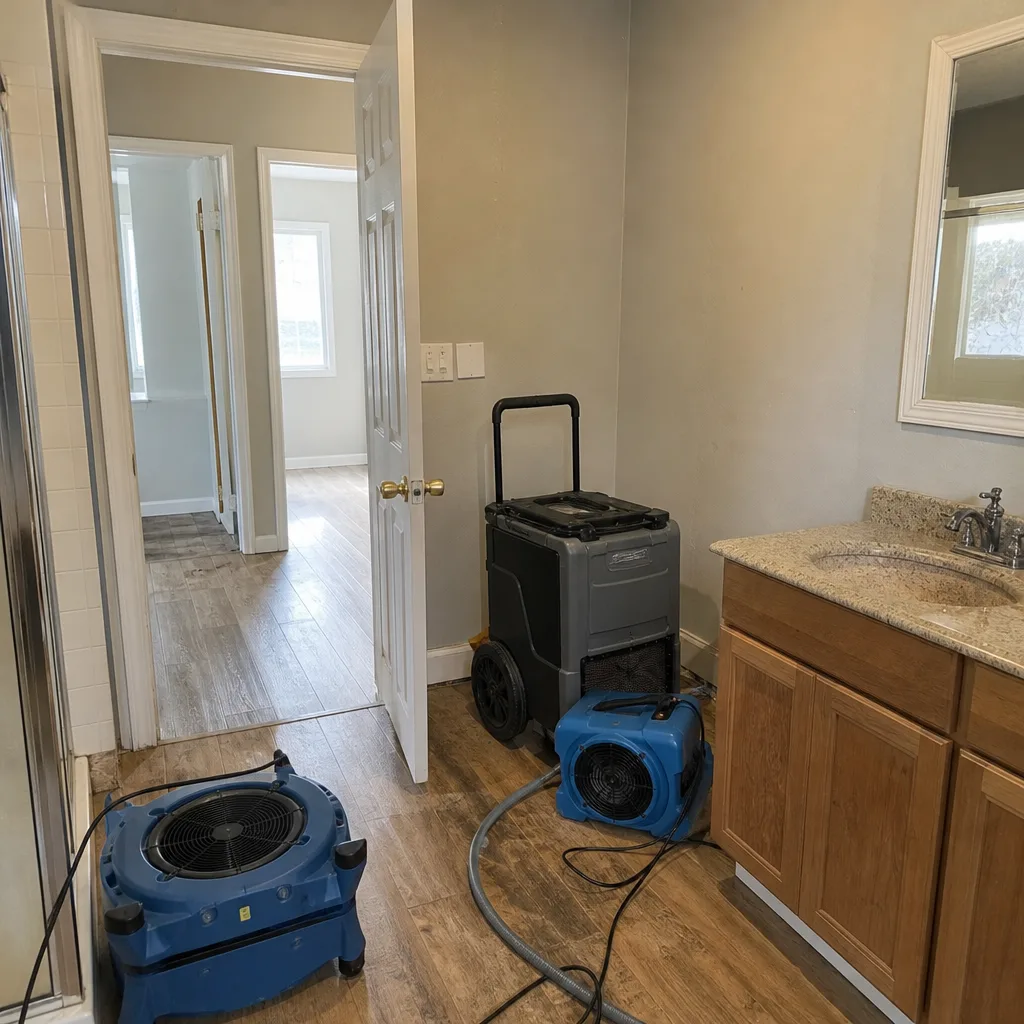
We run truck-mounted and portable extraction units, then move directly to Dri-Eaz and Phoenix drying systems placed with moisture-mapping data from the first hour on site. In Orange’s older homes, that first hour often determines whether original plaster survives. We’ve had good results reading moisture into lath cavities and using Injectidry targeted drying instead of opening walls.
When Extraction Needs Containment
If the water source is contaminated, like a sewage backup or storm runoff that entered through a door threshold, extraction alone isn’t enough. We set up containment and run air filtration during the extraction phase, then bring in the structural drying plan. In Orange’s post-war tract homes, slab leaks under finished flooring often mean removing tile or vinyl as part of extraction, not just sucking up surface water.
Emergency Water Removal in Orange
Emergency water removal in Orange generally costs $350 to $900 for the initial dispatch, extraction, and set-up of drying equipment, though the full restoration job depends on what the water touched. A winter storm that sends water through a failed window in the 92859 ZIP code or a burst galvanized pipe in a 1940s bungalow off Chapman Avenue qualifies as an emergency. The goal is to stop water from spreading into wall cavities and under flooring, not just to clear the visible puddle.
Storm Response in Winter Months
Orange’s winter rain season runs roughly December through March, and that’s when we see roof leaks, window seepage, and drainage failures. We keep emergency response crews staged for Orange calls during storm events because roads on the 22 corridor stay clear while hillside areas like Villa Park and North Tustin can slow access. If water is rising, shut off the water main and call (855) 356-4970. Don’t wait for a contractor to open in the morning.
Slab Leaks and Hidden Water
Mid-century Orange homes built with copper supply lines embedded in concrete slabs eventually develop pinhole leaks. By the time homeowners see a wet spot or feel warm flooring, water has been moving for days. Our emergency process for these jobs includes thermal imaging to find the path of water, then extraction and structural drying with moisture logs so you can see when the slab and flooring return to dry standard.
Trusted Brands We Service in Orange
We run Dri-Eaz, Phoenix, XPOWER, and B-Air equipment, and we stock the parts and filters needed to keep those units running on Orange job sites without waiting on a distributor. That’s a meaningful advantage when you need drying started the same day. Our IFA affiliation matters here: it means our equipment inventory, maintenance schedules, and job documentation meet a structured standard. For an Orange homeowner, that translates to drying systems that arrive calibrated and ready, not rented units that need troubleshooting.
See the difference
 Before
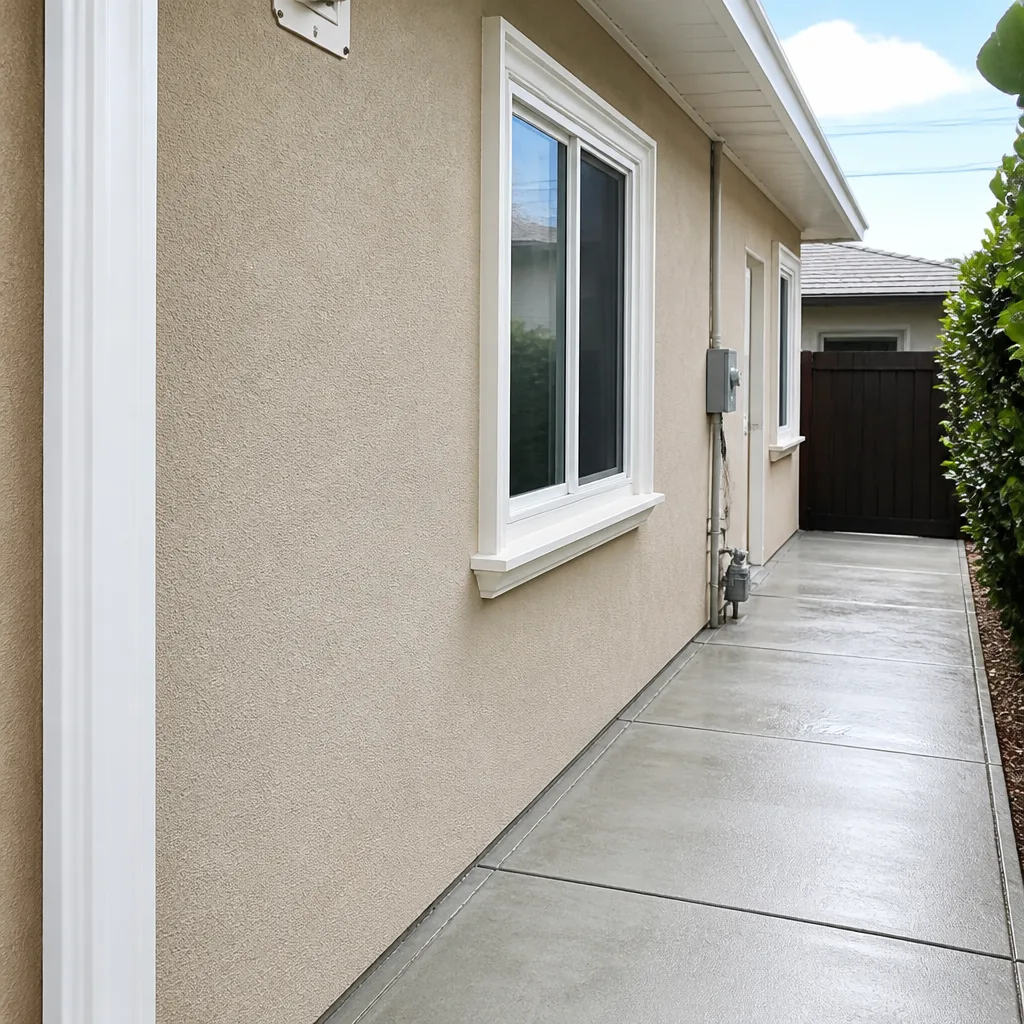 After
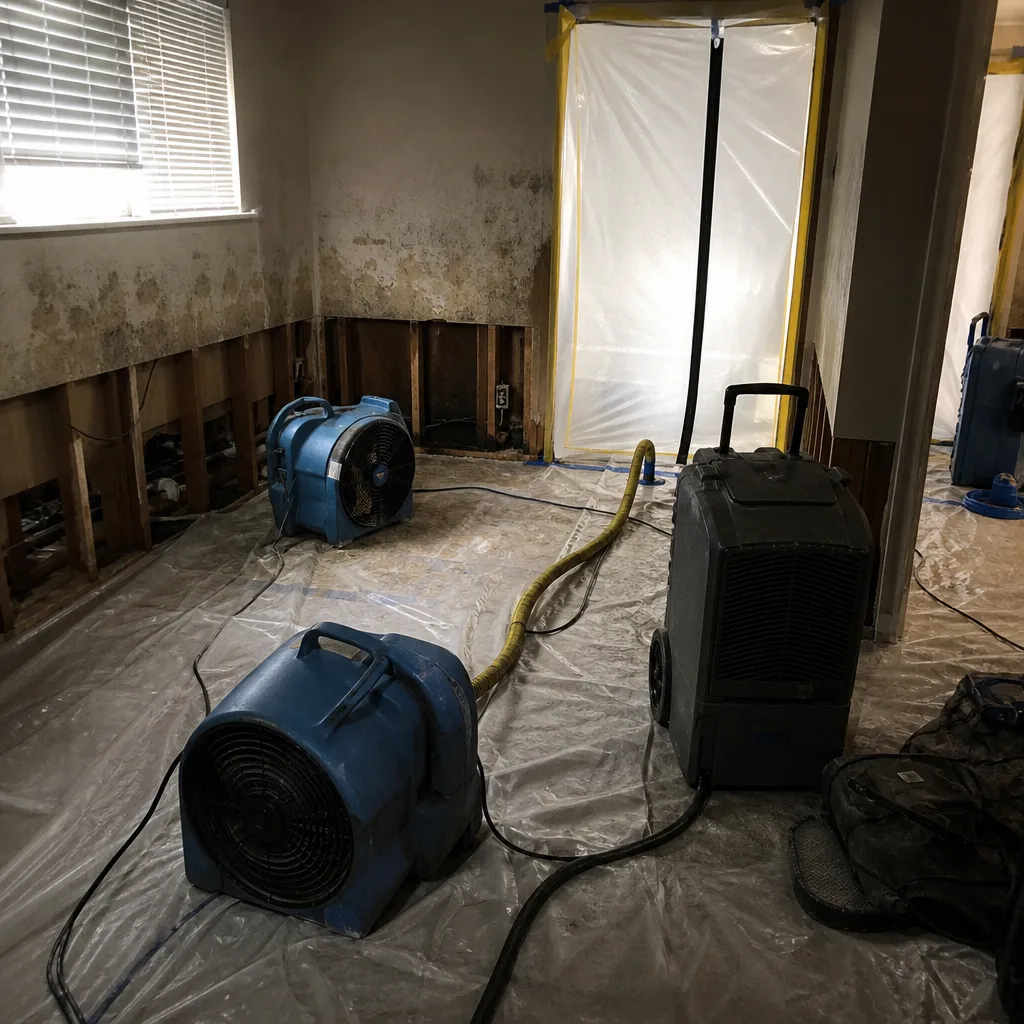 Before
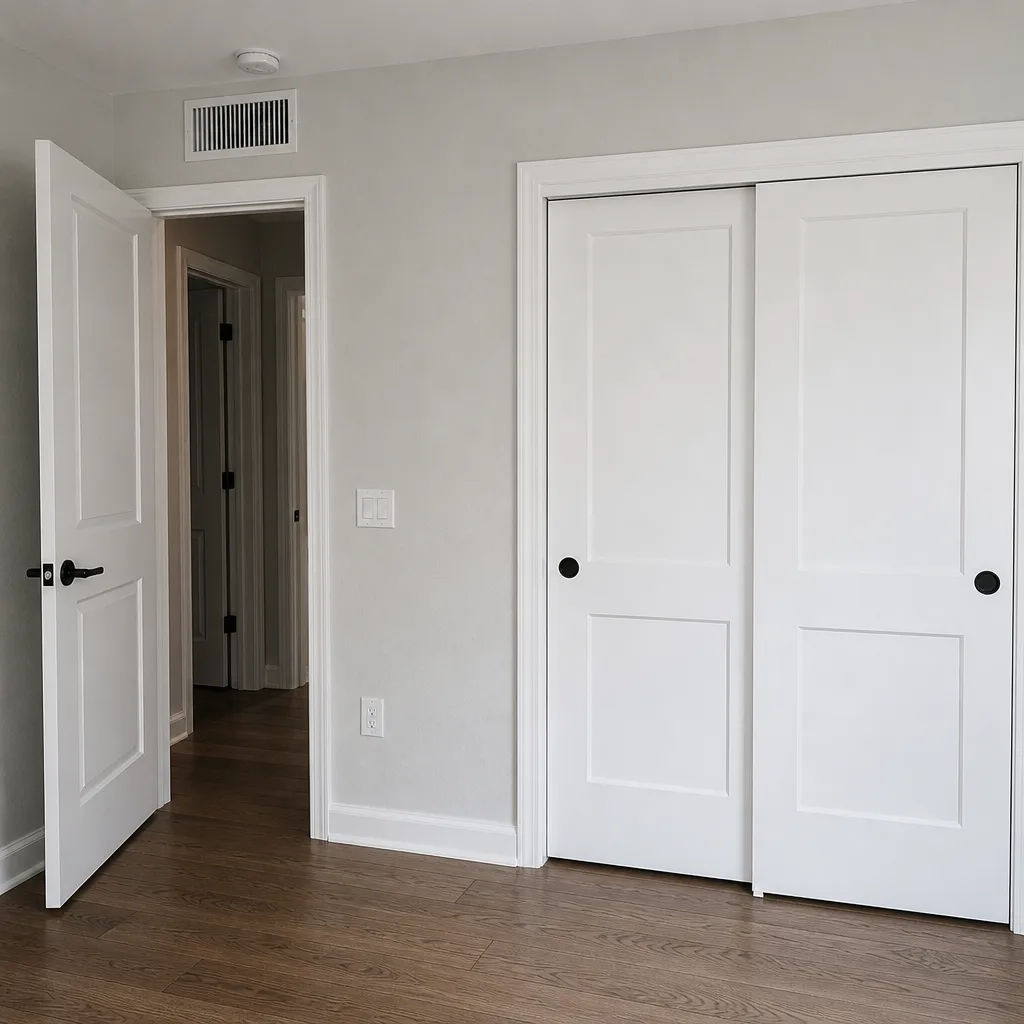 After
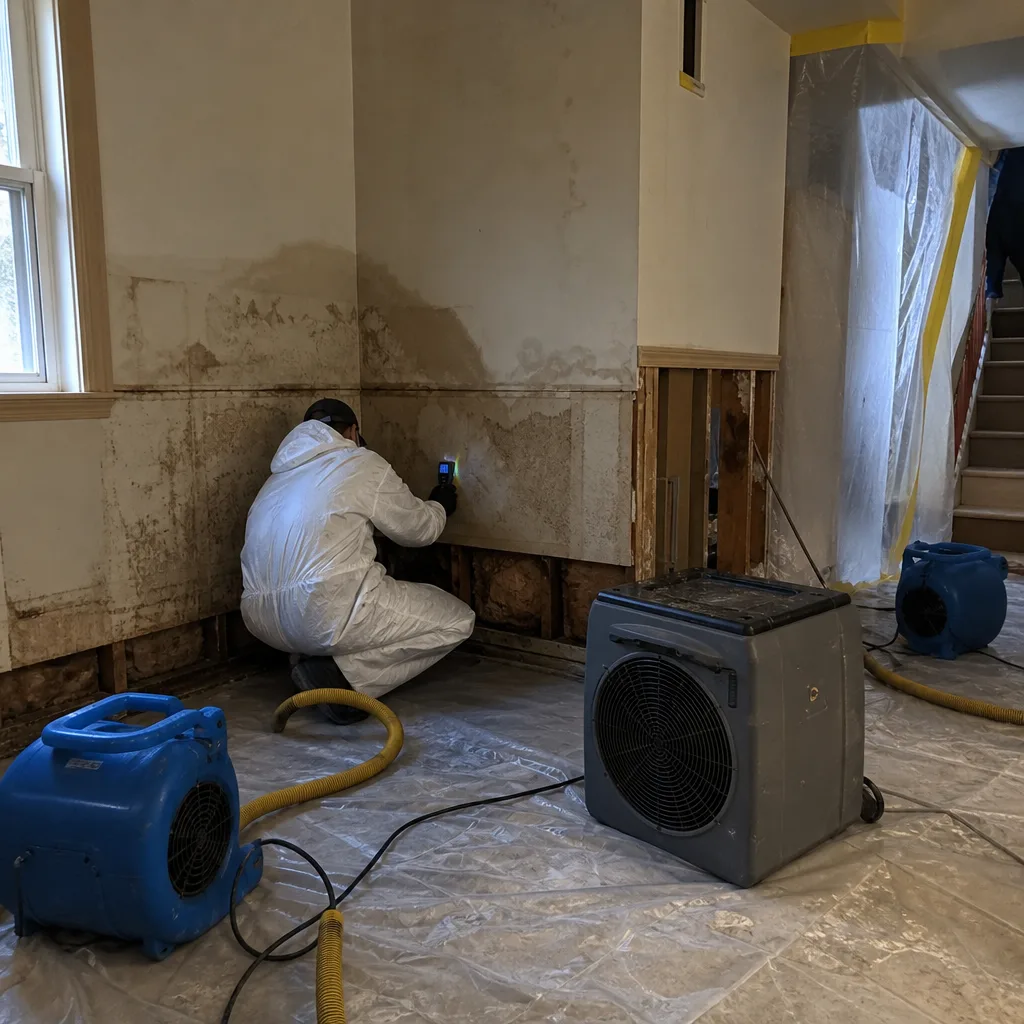 Before
 After
Common Water Damage Restoration Problems We See in Orange Homes
- Historic-preservation delays in Old Towne. Street-visible water damage repairs must pass city review to match original materials. General contractors who miss this step risk weeks of delay and possible fines, so we handle the documentation and coordination from the first day.
- Aggressive drying that cracks original plaster. Lath-and-plaster walls in pre-1920s homes cannot handle the high-heat, high-airflow approach that drywall tolerates. We use lower-temperature, longer-duration drying with Injectidry systems to pull moisture without fracturing the surface.
- Recurring leaks from aging galvanized plumbing. East-side Orange homes from the 1950s and 60s often still have galvanized supply lines. A restoration that dries the damage without identifying the source pipe just means another emergency in six months.
- Slab movement and drainage problems during Santa Ana season. Hot, dry winds pull moisture from soil around foundations, which can shift slabs and crack copper supply lines beneath the floor. The visible damage might be a wet spot; the actual problem is underneath.
Pricing for Water Damage Restoration in Orange, CA
Water extraction in Orange runs $400 to $1,200. Emergency water removal with drying equipment setup runs $350 to $900 for the initial response, with full structural drying typically adding $1,200 to $3,000 depending on the number of rooms and the drying time required. If materials need removal, lath-and-plaster demolition in an Old Towne home costs more than drywall tear-out in a 1970s tract house because every original element that gets removed must be documented and, if visible from the street, matched to historic-preservation standards. We give a written scope before any work starts, with line-item costs and moisture-log targets. Estimates are free; call (855) 356-4970.
We Also Serve Cities Near Orange
Our Water Damage Restoration in Orange work frequently extends into Villa Park, North Tustin, Tustin, and Anaheim. Those cities share Orange’s winter storm patterns and the same mix of older custom homes and mid-century tract housing, so our drying plans and material-handling approach carry over directly. If you’re in one of those communities, we’re close and equipped for the same response. See the full scope of our Water Damage Restoration services for more detail on how we work.
Serving Orange, CA — Our Local Coverage Area
We’re based in the Orange area and know this community well. Use the map below to see our service coverage — if you’re nearby, we can almost certainly help.
FAQs About Water Damage Restoration in Orange
Yes, if the repair is visible from the street. The city’s historic-preservation review will not issue permits until it confirms replacement materials match the district character, whether that means window trim, siding, or exterior doors. Restoration work inside walls typically moves faster, but any street-facing element tied to water damage needs review first. We handle that coordination for you so drying starts immediately and the permit conversation doesn’t delay the job.
Mold can begin in as little as 48 to 72 hours when humidity stays above 60 percent and organic material like drywall, plaster, or wood stays wet. Orange’s mild winter temperatures don’t slow the process much. For that reason, we treat extraction and drying as the mold-prevention phase itself. Call (855) 356-4970 the same day you see water; waiting until the weekend can turn a drying job into a remediation job.
The two most common are galvanized steel supply line failures in post-war tract homes and rain intrusion through original windows or roof framing in pre-1920s Old Towne properties. Galvanized pipe corrodes from the inside out and eventually develops pinhole leaks that soak finished flooring and wall plates. Historic windows without modern weather stripping leak during winter storms and saturate plaster and framing. Both require restoration crews that understand the original construction.
Yes, in most cases, using targeted-injection drying with Injectidry equipment and lower-temperature Dri-Eaz or Phoenix systems. The key is avoiding aggressive high-heat drying, which cracks plaster. We take moisture readings inside wall cavities and dry incrementally, holding the plaster stable while pulling water from the lath and framing behind it. In one Old Towne job after a winter storm, this approach saved the original plaster in a street-facing wall that would otherwise have required full removal.
We stage emergency crews for Orange response during storm events, with extraction units and drying equipment loaded before the rain starts. Arrival time is typically 60 to 90 minutes from your call, with priority given to active water intrusion and standing water. The process is the same whether the source is a roof leak, window failure, or drainage backup: extract what’s visible, map what isn’t, and start structural drying while the storm continues outside.
Written by Noel Carrasco, Owner at Mahogany Water Damage, serving Orange since he founded the company.