 Water damage drying
 Fire & smoke cleanup
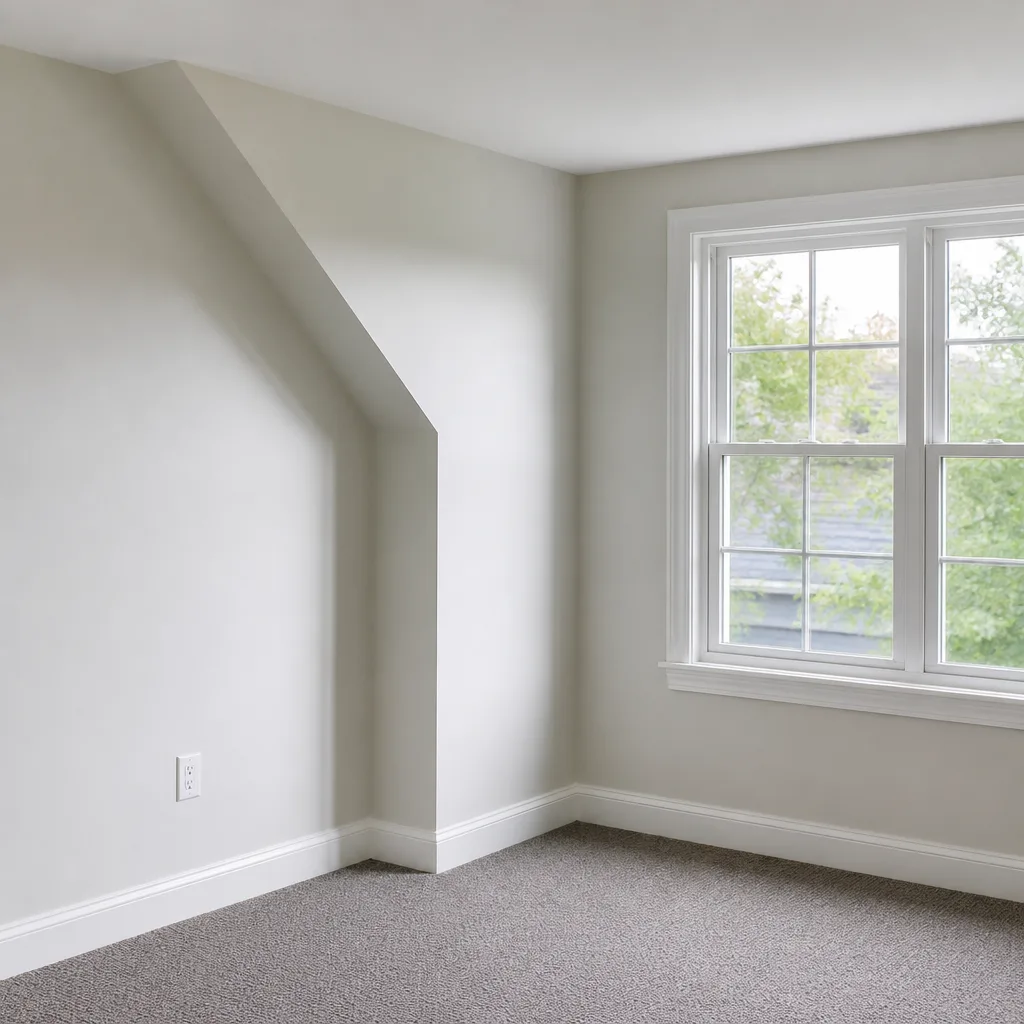 Mold remediation
 Storm response
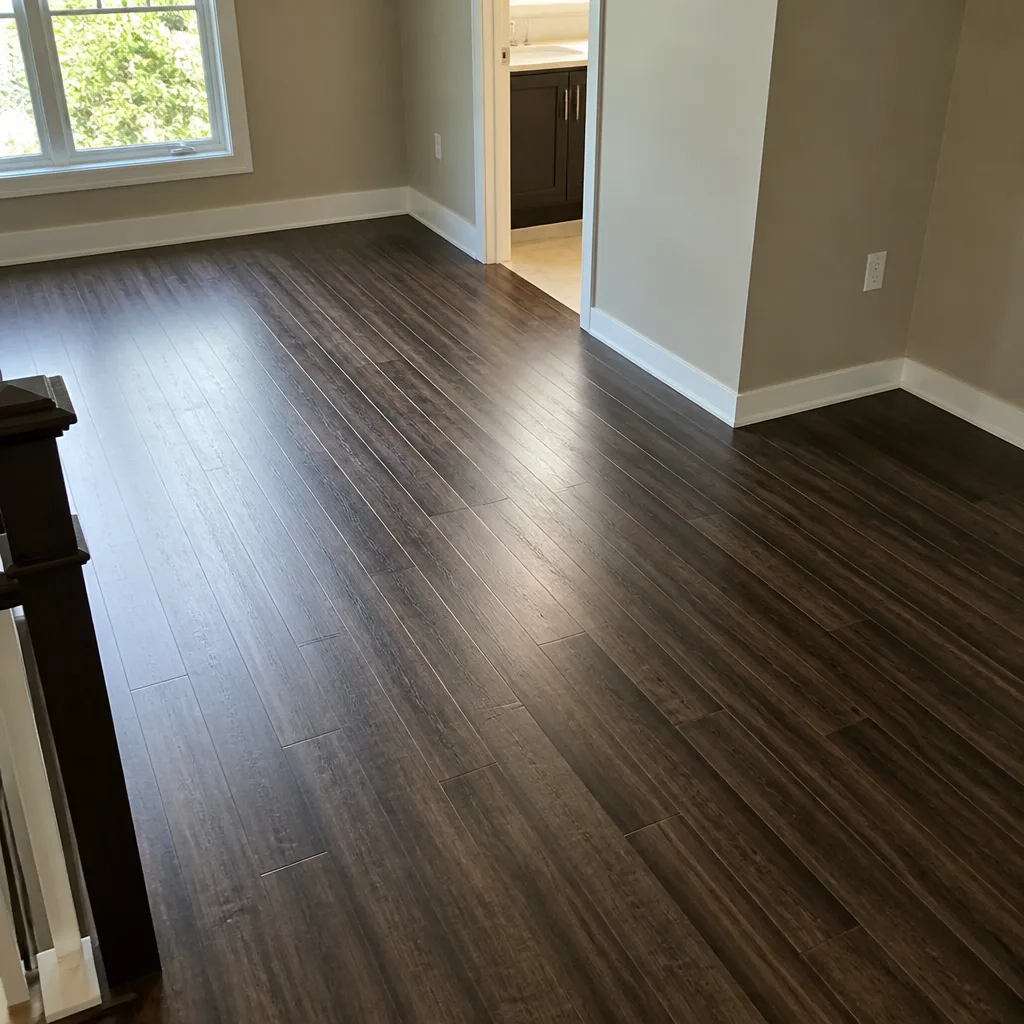 Sewage cleanup
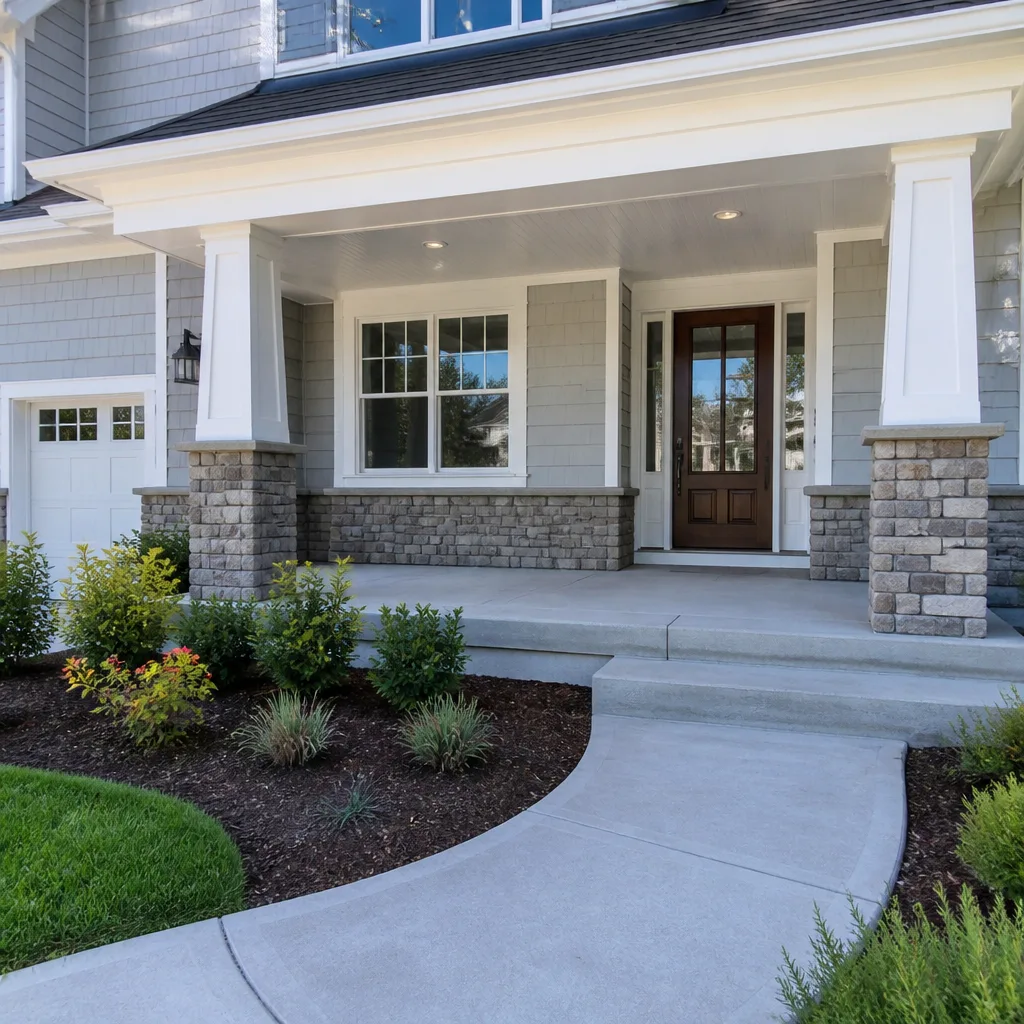 Reconstruction
Free visual inspection and a written scope of work before any mitigation begins - photos, moisture readings, and drying logs go in your claim file
The scope we write is the scope we bill. Anything new gets shown to you, in writing, before we touch it.
Get your free estimateFast, Reliable Water Damage Restoration Across March Air Force Base
Water damage restoration in March Air Force Base usually costs $1,800 to $6,500 depending on the category of water, square footage affected, and whether mold has already set in. We get to base-adjacent homes within 60 to 90 minutes because we know the gate access points, the tract layouts, and the roads off Van Buren Boulevard and Heacock Street. If you just found water where it shouldn’t be, call (855) 356-4970 now. The first 24 hours determine whether you’re drying a room or rebuilding it.
Why Mahogany Water Damage Is March Air Force Base’s Preferred Water Damage Restoration Company
We’ve spent enough time in the 92551 zip code to know that water damage here rarely announces itself. It brews. A galvanized supply line weeps behind stucco for weeks while a rental sits empty between assignments. A water heater in a vacant unit fails mid-rotation and nobody hears the hiss. By the time someone calls, the category 1 water has already become category 2 or 3, and mold has had a head start. March Air Force Base housing stock was built fast in the 1950s through 1970s, and we treat every call from this area as a search for hidden water, not just visible water.
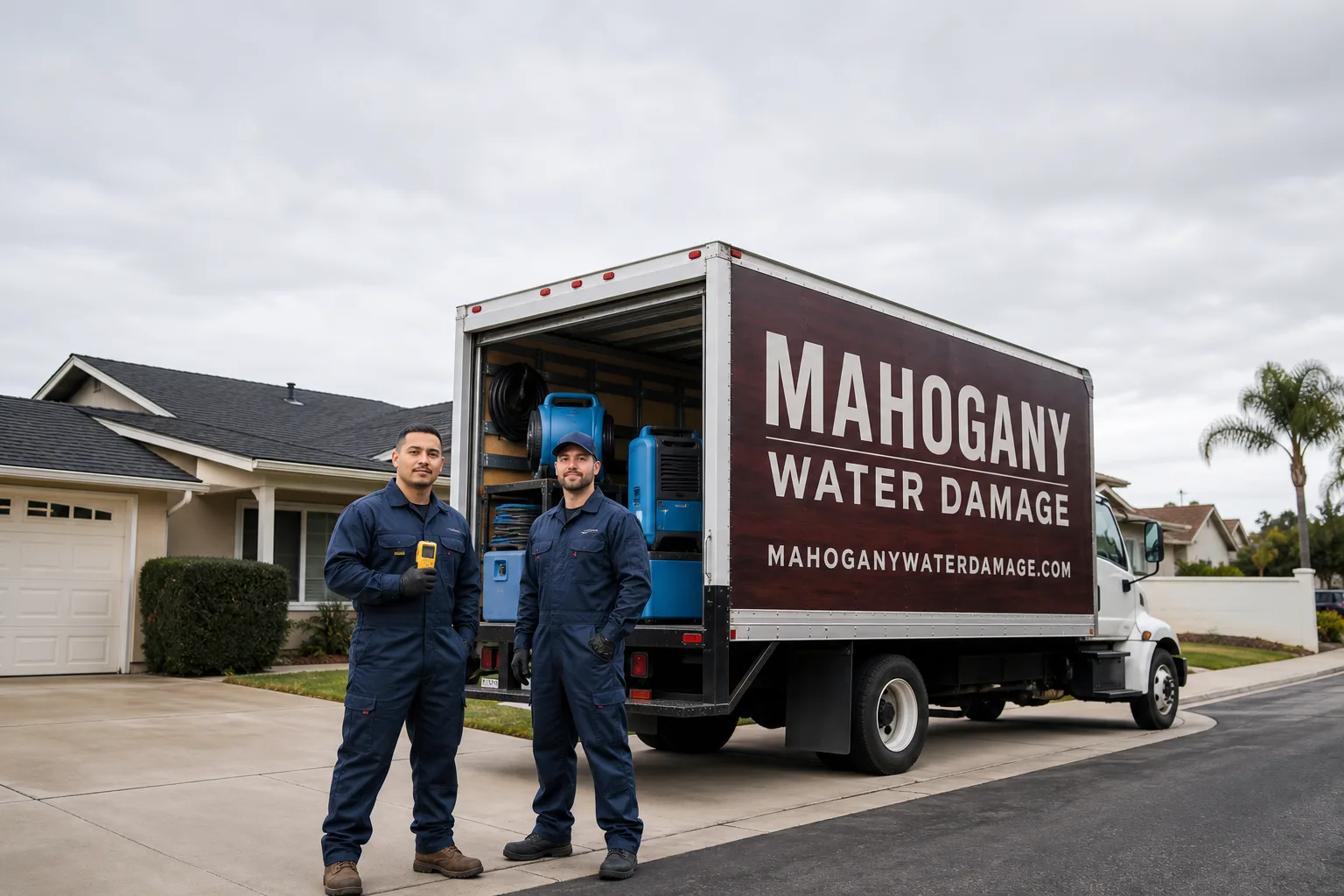
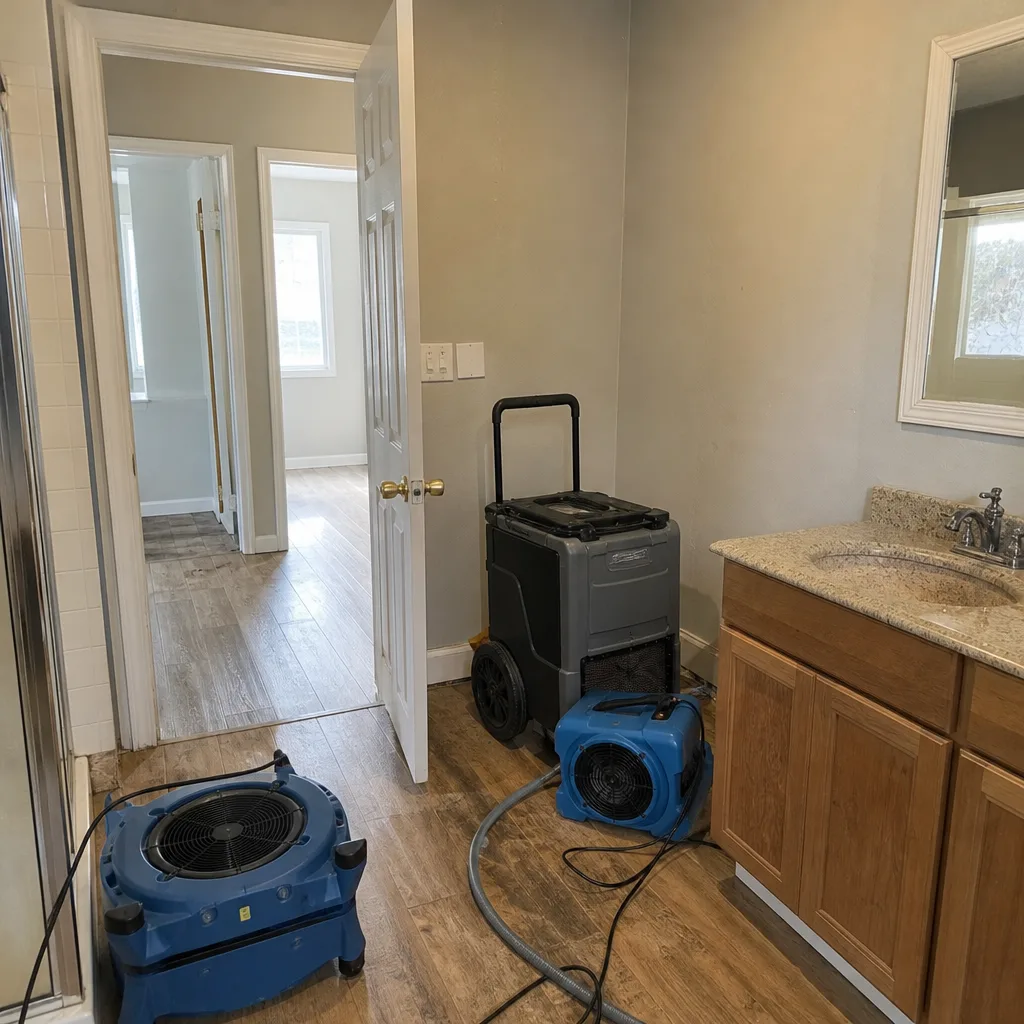
Our Water Damage Restoration team carries IICRC-certified crews and commercial-grade drying systems from Dri-Eaz and Phoenix. That matters here because forced air drying in stucco-framed tract homes requires reading the slab, not just the carpet. We’re RIA and IFA affiliated, which means our moisture mapping and drying logs follow documented restoration standards, not a guy with a fan and a shop vac. Noel Carrasco leads the crew, and he’s built the process around one principle: dry smarter, demolish less.
Local reviews from March Air Force Base customers repeatedly mention two things: we show up when we say we will, and we explain the drying science without talking down to people. We answer calls at 2 a.m. because water doesn’t wait for duty hours.
Restoration work we handle
Water Damage Repair in March Air Force Base
Water Damage Repair in March Air Force Base often starts with a slab leak nobody saw coming. In a 1960s single-story tract home off Cactus Avenue or Nandina Avenue, a failed section of original galvanized pipe can weep into the slab for weeks before water finds the surface. The repair involves locating and stopping the source, extracting standing water, drying the affected structure, and then rebuilding what can’t be saved. Homeowners here typically pay $1,800 to $4,200 for a contained repair, but we’ve seen jobs hit $6,500 when a hidden leak has been running since the last tenant moved out. March Air Force Base calls us when water is spreading, not when it’s a drip. If the wall is squishing and the baseboard is swelling, call us now.
Slab and Subfloor Repairs
Cast iron drains and original supply lines under 1970s slab foundations fail from the inside out. We find the actual wet path with thermal imaging and moisture meters before opening anything. That prevents tearing out dry flooring and keeps the repair to the damaged area, not the guess.
Ceiling and Roof Leak Damage
Monsoon-season downpours hit March Air Force Base hard in August and September. When water pushes through an aging roof or past flashing on an original stucco exterior, it wicks into the ceiling cavity and spreads along drywall seams. We extract, dry the cavity, and replace only what saturation ruined.
Water Mitigation in March Air Force Base
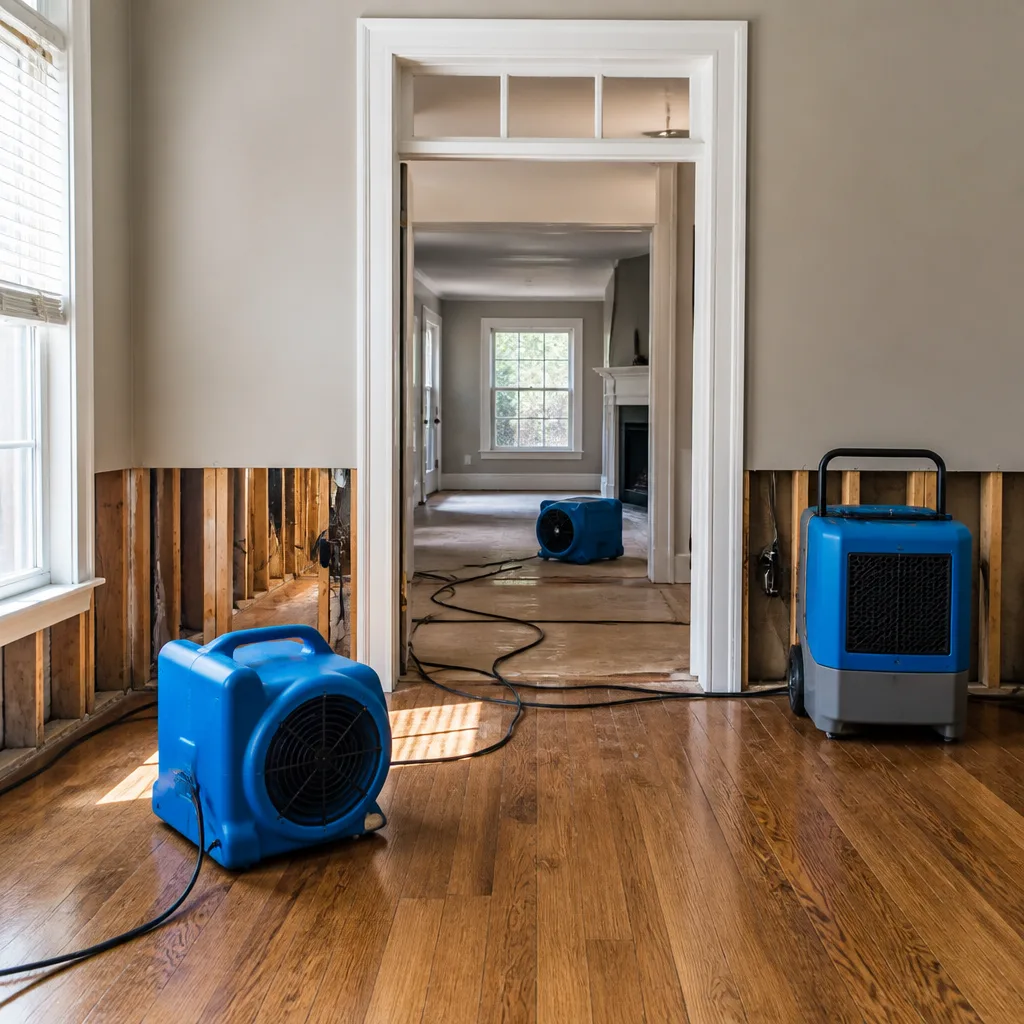
Water Mitigation in March Air Force Base is about stopping damage before it becomes demolition. When a burst pipe or failed water heater floods a kitchen in housing near the airfield, the first 24 hours determine whether you dry cabinets or replace them. Mitigation costs here run $1,200 to $3,400 for most single-room events, with larger floods and category 3 water pushing to $5,500 or more. We set containment, extract, place air movers and dehumidifiers, and track moisture drop daily. The goal is documented drying, not a rushed estimate to replace everything. March Air Force Base landlords and property managers call us because we’ll tell them what’s salvageable and prove it with drying logs.
Targeted Drying With Injectidry
Most crews will open walls and floors when water gets inside cavities. We use Injectidry targeted-injection drying to pull moisture from wall and floor cavities without tearing everything apart. In a 1960s stucco home, that difference can save original hardwood floors and keep a family out of a hotel for less time.
Category 3 Water Events
When monsoon storm water backs up through cast iron drains or lifts contaminated water over a slab, the job changes. We follow IICRC category protocols: containment barriers, full extraction, anti-microbial application where required, and structural drying. That’s not optional in homes with poor drainage and original drainage lines.
Trusted Brands We Service in March Air Force Base
We work on all major water heater brands found across 92551, including Rheem, Bradford White, AO Smith, and State. When a 40-gallon unit fails in a garage or hallway closet of a base-adjacent rental, we know the shutoff locations common to 1960s tract layouts and can often stop the flow before the tank fully drains. Our trucks stock common shutoff fittings and flood stop adapters locally, so we don’t waste time ordering parts while water spreads across a slab. Regardless of brand, the process is the same: stop the source, map the moisture, dry the structure to a documented standard.
See the difference
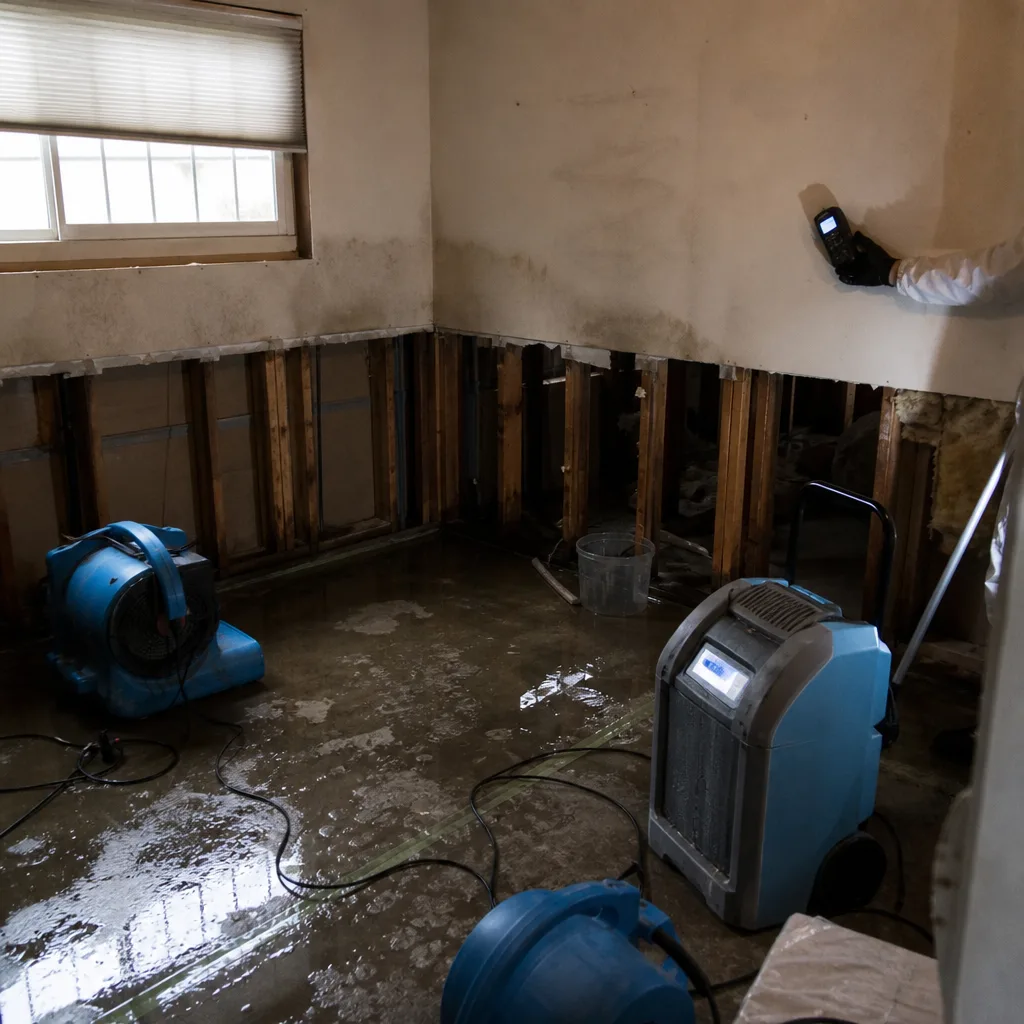 Before
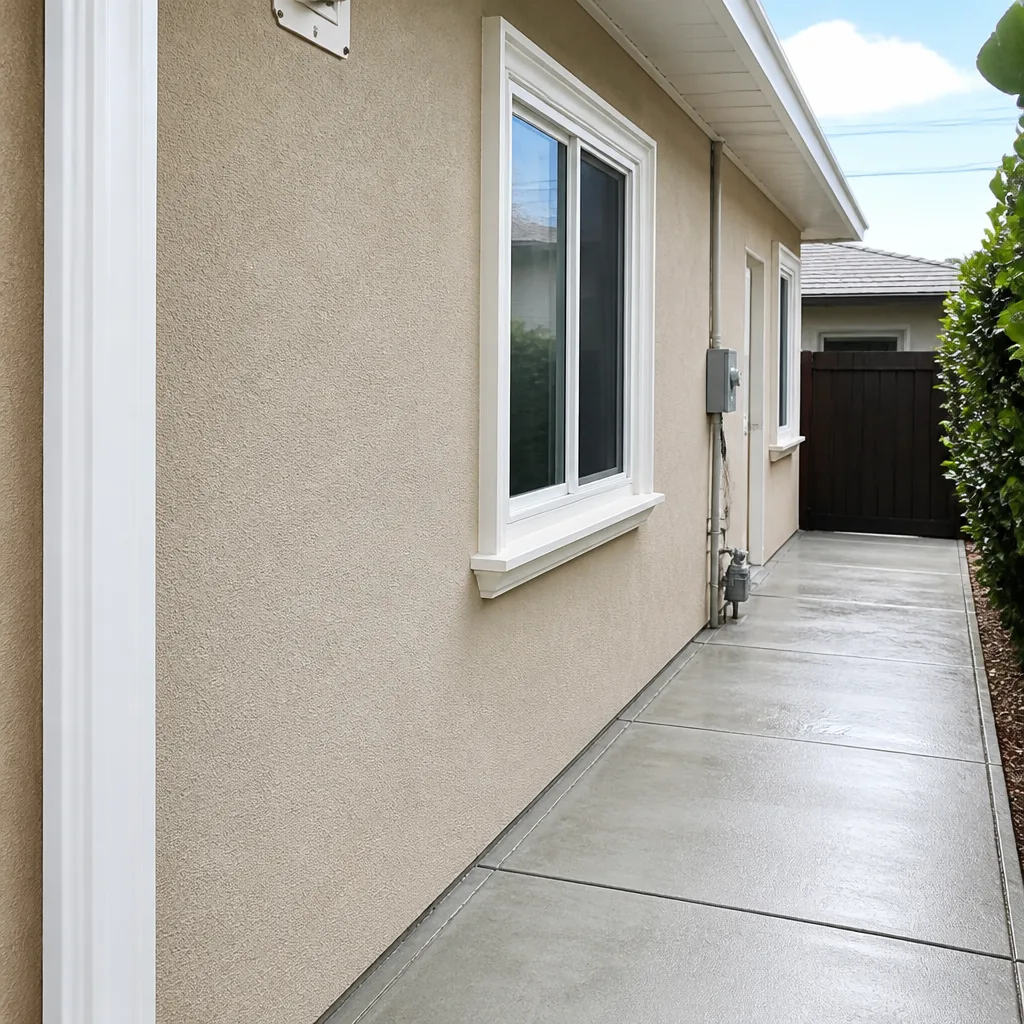 After
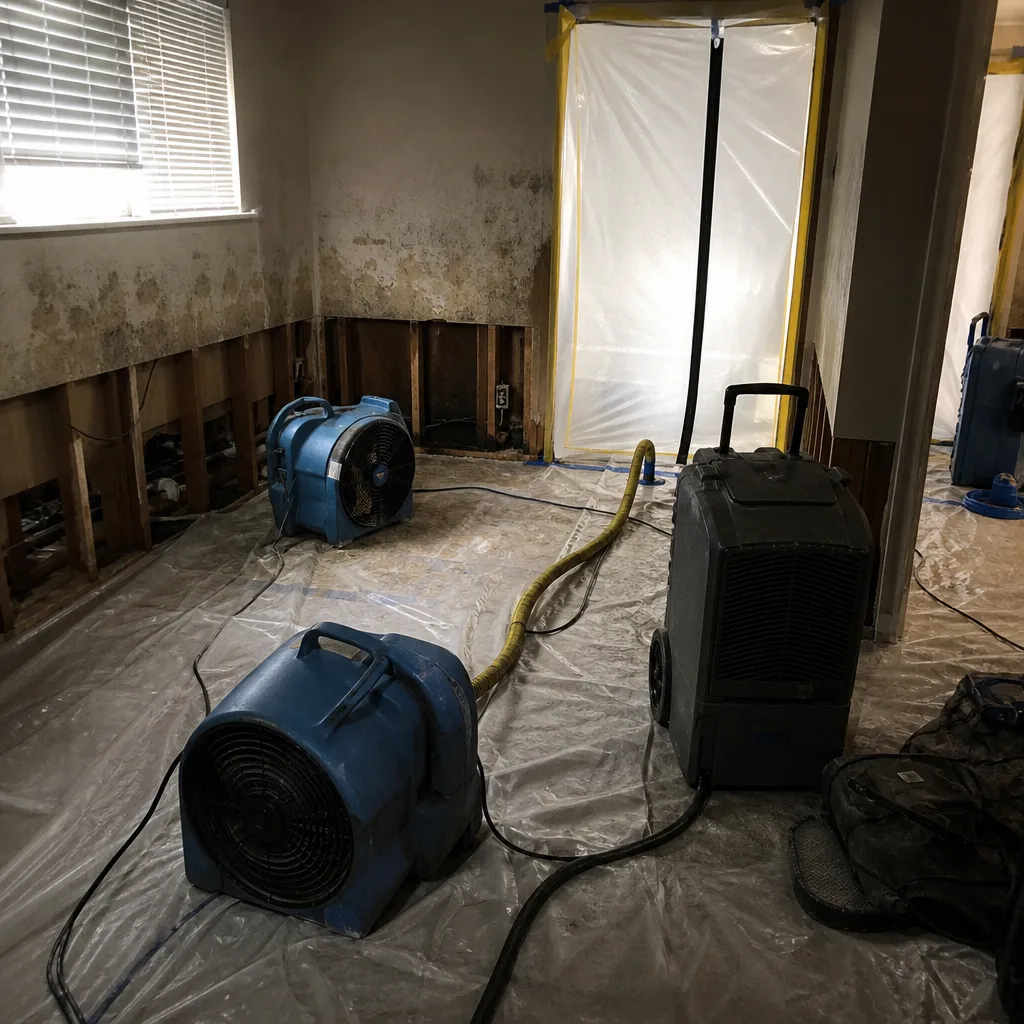 Before
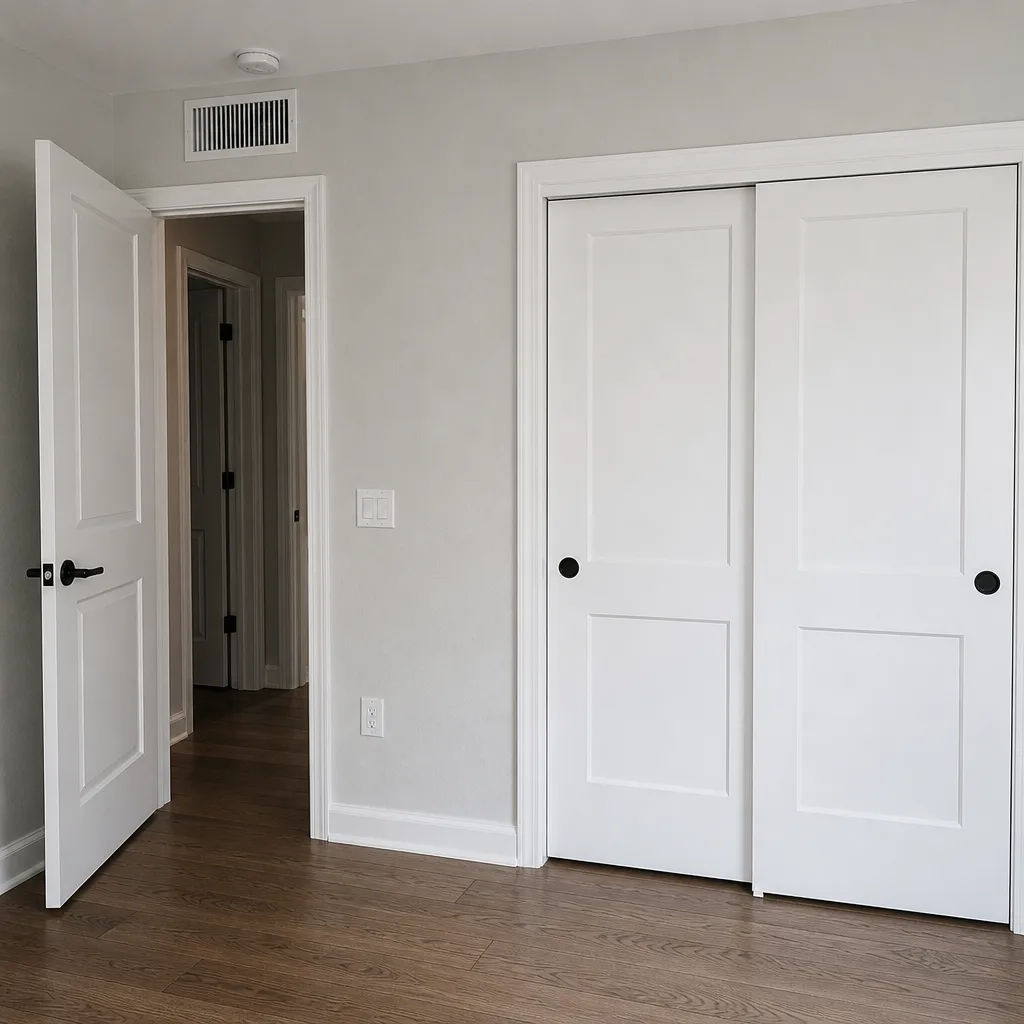 After
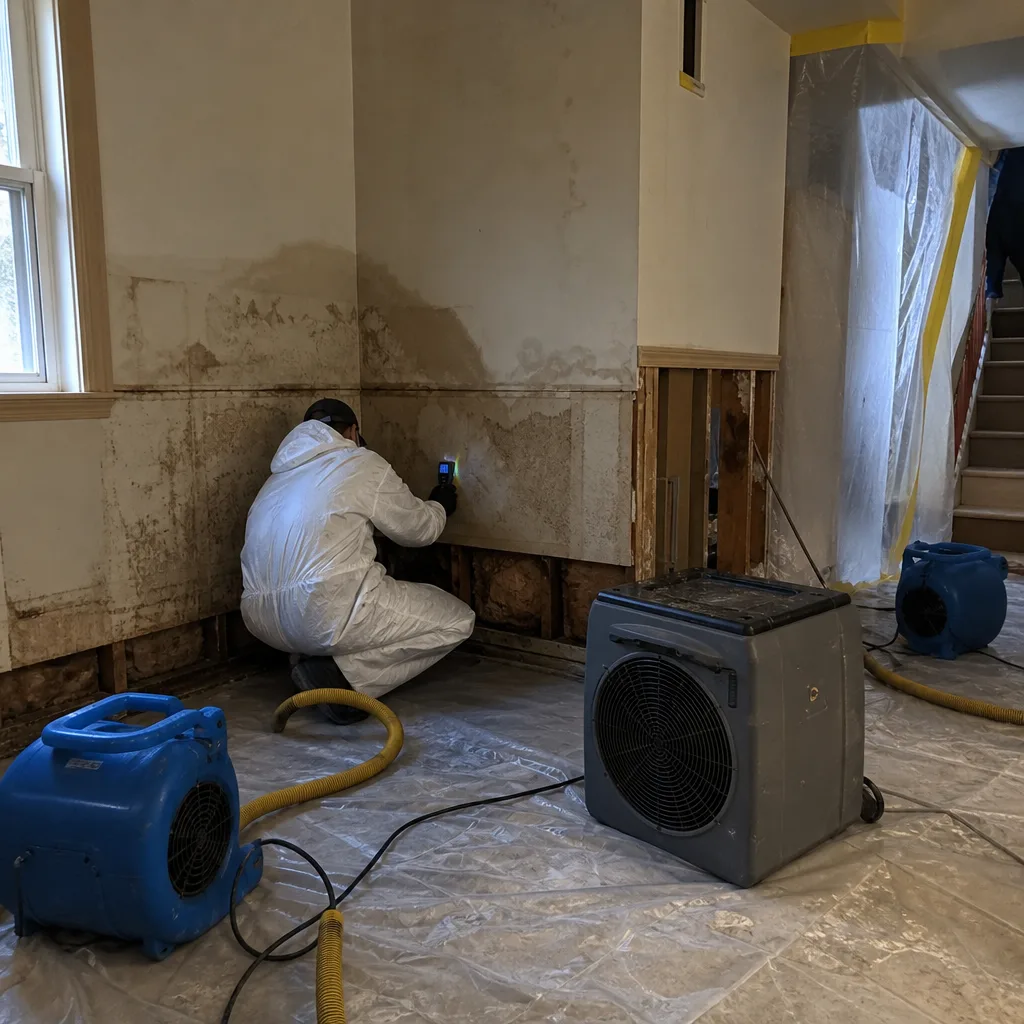 Before
 After
Common Water Damage Restoration Problems We See in March Air Force Base Homes
- Slow slab leaks in vacant units. Military rotation cycles leave homes empty through months of dry heat. A pinhole in a galvanized line behind a stucco wall or under a slab runs for weeks with no one home to notice, and moisture wicks into drywall, baseboards, and flooring before the new family arrives.
- Original galvanized and polybutylene supply lines. Homes built between the 1950s and 1970s here were plumbed cheap. Galvanized lines corrode from the inside and polybutylene fails at fittings. Both leak invisibly behind stucco until mold or water staining gives it away.
- Poorly documented additions hiding the source. March Air Force Base tract homes got expanded over decades, often without updated building records. Water from a leak near an added-on family room can appear 10 feet away at the original slab junction, which is why we moisture-map before opening anything.
- Monsoon-season slab flooding. Hot dry summers harden the ground, then sudden August downpours saturate it. Older slab foundations and cast iron drains weren’t built for that volume. Water pushes through joints and wicks up through carpet and laminate, often turning a Category 1 call into Category 3 once drain water backs up.
Pricing for Water Damage Restoration in March Air Force Base, CA
A small contained water heater flood in a March Air Force Base bathroom typically runs $1,200 to $2,500 for extraction and drying. A pipe burst that saturates two rooms and a hallway runs $2,800 to $4,800. Full multi-room category 3 events with mold remediation can reach $6,500 or more. What changes the bill: the water category, how long it sat, how much floor and wall we need to open, and whether we’re coordinating with a landlord or property manager. We don’t quote blind and we don’t pad a room with replacement when drying saves it. Call (855) 356-4970 for a free estimate with an actual moisture reading, not a phone guess.
We Also Serve Cities Near March Air Force Base
Our crews regularly drive out to March Air Force Base and the surrounding Inland Empire communities. We handle water damage restoration calls in Moreno Valley, Woodcrest, Perris, and Good Hope. If you own a rental near the base or live in a neighboring city and need a credentialed restoration team that documents every step for insurance, we’ll get there fast. Reach us at (855) 356-4970.
Serving March Air Force Base, CA — Our Local Coverage Area
We’re based in the March Air Force Base area and know this community well. Use the map below to see our service coverage — if you’re nearby, we can almost certainly help.
FAQs About Water Damage Restoration in March Air Force Base
Because base-adjacent housing sits vacant through long stretches of the hot, dry season while military families rotate in and out. A slow slab leak or water heater failure inside an empty unit has weeks to wet the structure before anyone opens the door. We routinely find mold that started long before the new family moved in, which is why our first move on any March Air Force Base job is a full moisture audit, not just extracting what’s visible. Call (855) 356-4970 if you suspect hidden water in a vacant unit.
Yes, and it’s the first thing we account for. Homes built from the 1950s to 1970s in 92551 carry original galvanized supply lines, polybutylene fittings, cast iron drains, and stucco exteriors. Those materials fail differently than modern plumbing, and additions built over decades often don’t show up accurately on records. We scope by mapping moisture through the slab and stucco, not by following where water happens to be visible. That gets the actual source the first time.
We start with extraction and containment, then place commercial dehumidifiers and air movers sized to the affected square footage. With Dri-Eaz and Phoenix systems running, we take daily moisture readings through flooring and drywall and track the drying curve until the structure hits its documented dry standard. On slab foundations common to March Air Force Base, the drying plan has to account for water that wicks up from the slab, not just what’s on the surface. Call (855) 356-4970 if your home took monsoon water.
Mitigation is the emergency response: stopping the source, extracting water, and starting structural drying before damage spreads. Repair is everything after the structure is dry, like replacing saturated drywall, flooring, or cabinets. On a base-adjacent home, mitigation decisions get made fast while the water is still moving. We tell you exactly what’s salvageable and what’s not after we see the moisture readings. One team handles both, so there’s no gap between the dry-out and the rebuild.
We can, and we do it regularly. We’ll get access through the property manager or your designated contact, stop the water, extract, and run drying until the space is stable. We document everything with photos and daily moisture logs so you have a clean file for your insurance adjuster and a clear picture before the next family moves in. Call (855) 356-4970 and we’ll start the same day if it’s an active failure.
If you’re dealing with water in a March Air Force Base home right now, don’t wait for it to dry on its own. The longer water sits in our heat, the faster mold takes over and the more likely you’ll need structural repairs instead of just drying. Call (855) 356-4970 for a free estimate and a real assessment from a team that knows this housing stock and works in 92551 every week.
Written by Noel Carrasco, Owner at Mahogany Water Damage, serving March Air Force Base and surrounding Inland Empire communities with IICRC-certified restoration and commercial-grade drying equipment.