
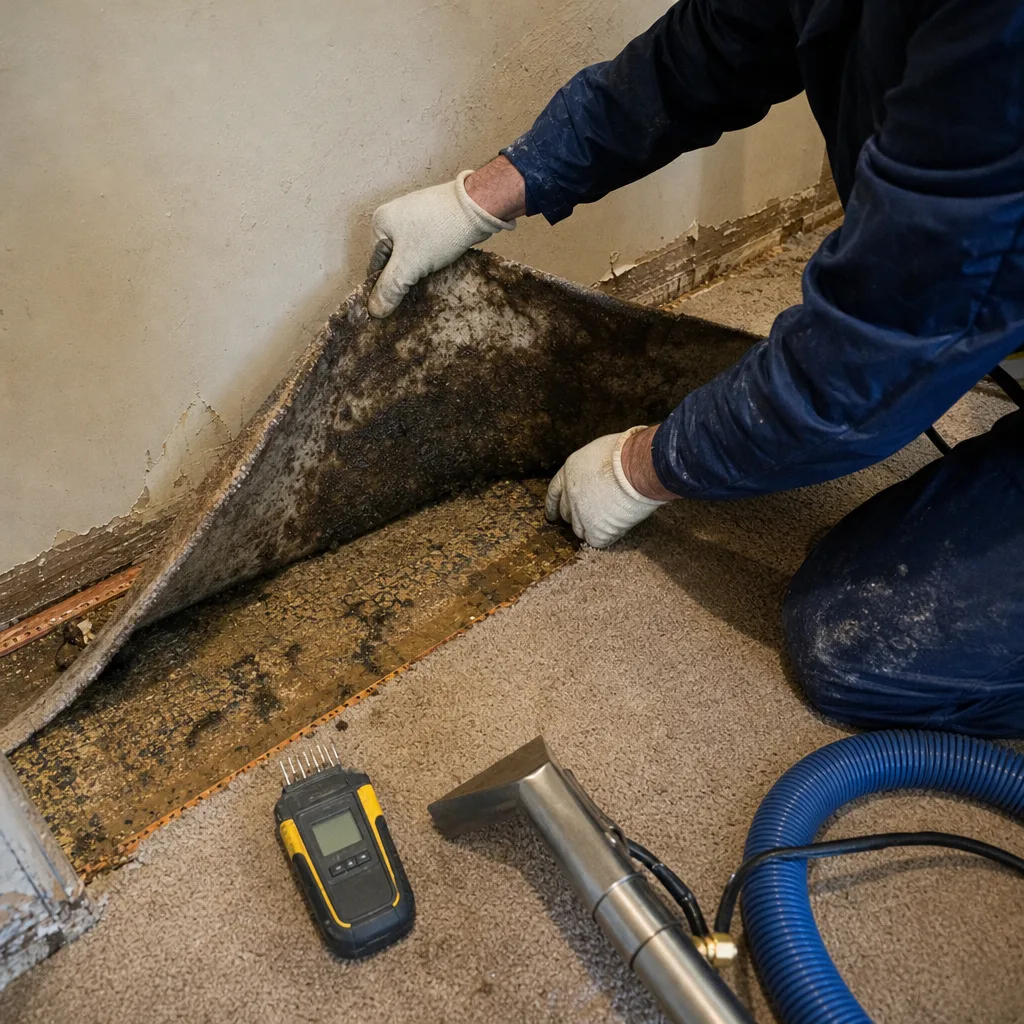
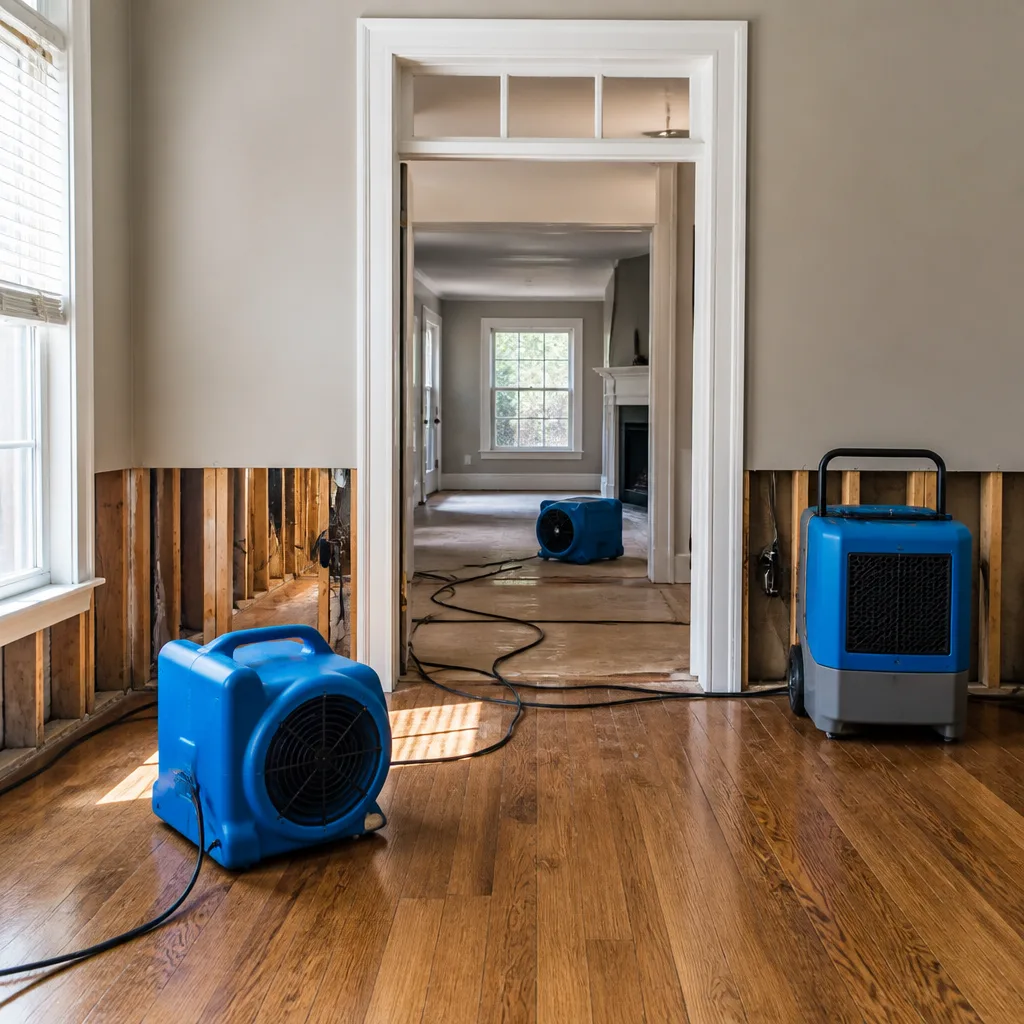
 Water damage drying
 Fire & smoke cleanup
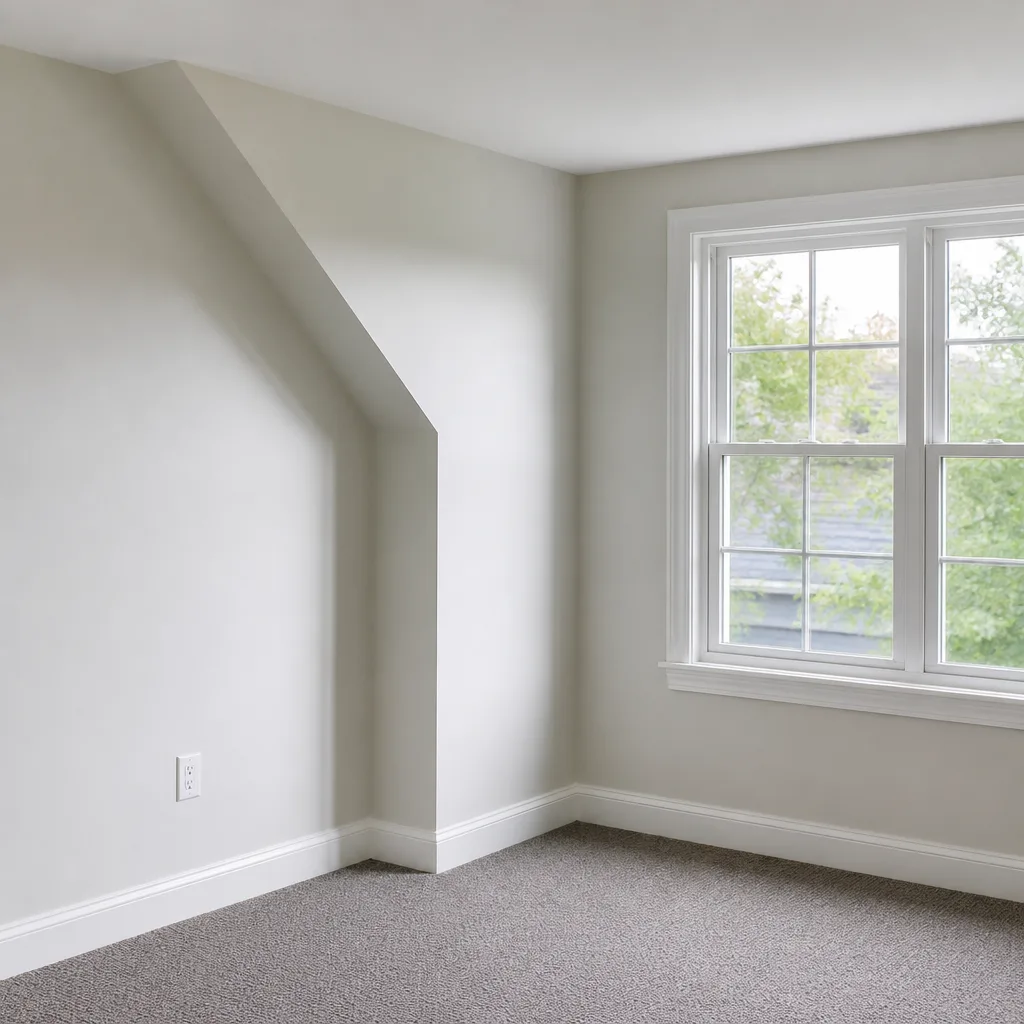 Mold remediation
 Storm response
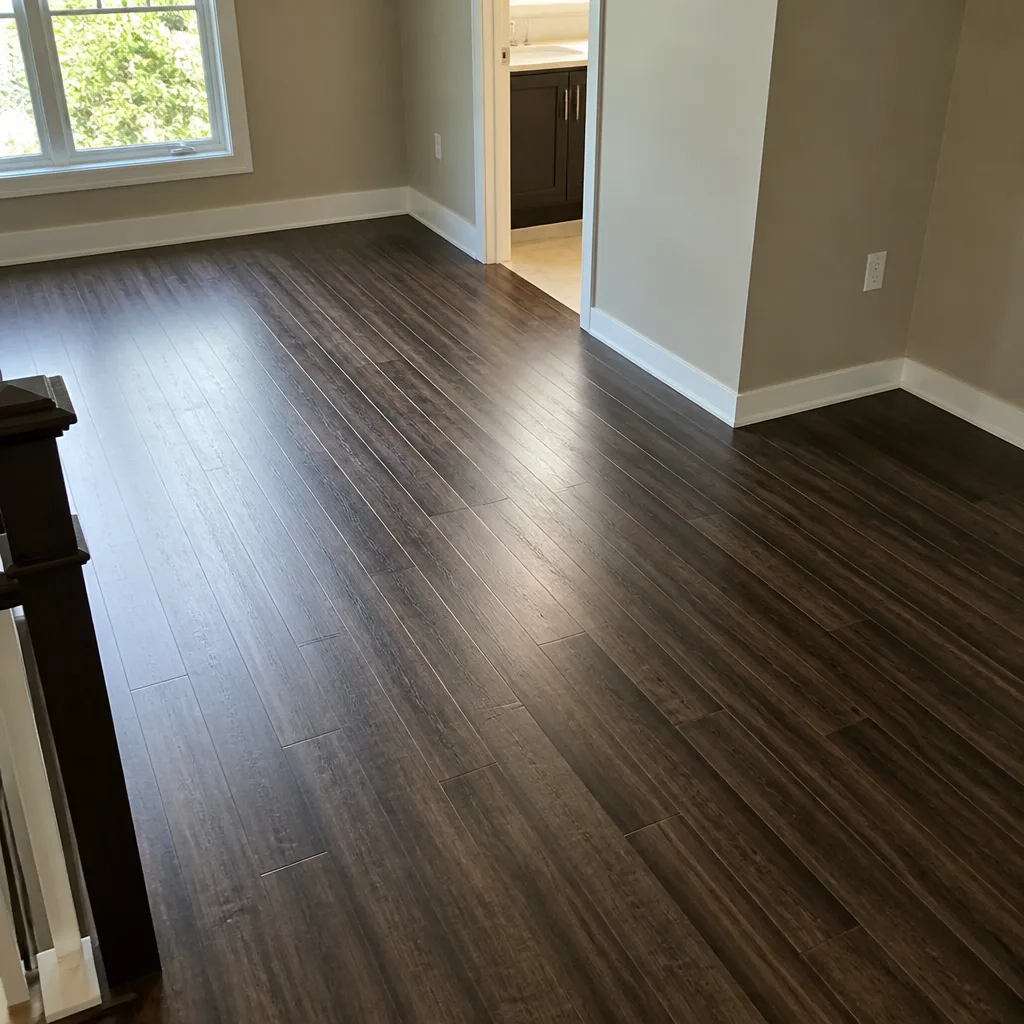 Sewage cleanup
 Reconstruction
Free visual inspection and a written scope of work before any mitigation begins - photos, moisture readings, and drying logs go in your claim file
The scope we write is the scope we bill. Anything new gets shown to you, in writing, before we touch it.
Get your free estimateRestoration work we handle
See the difference
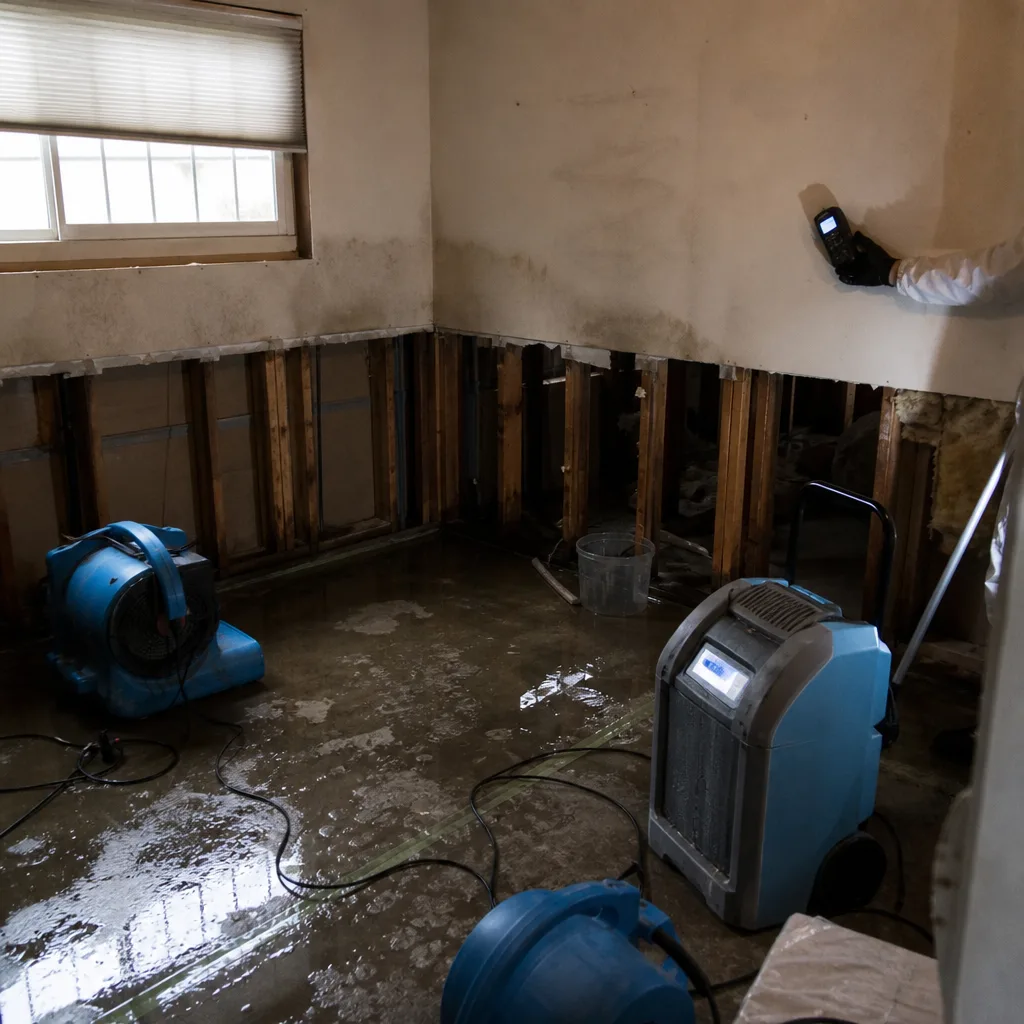 Before
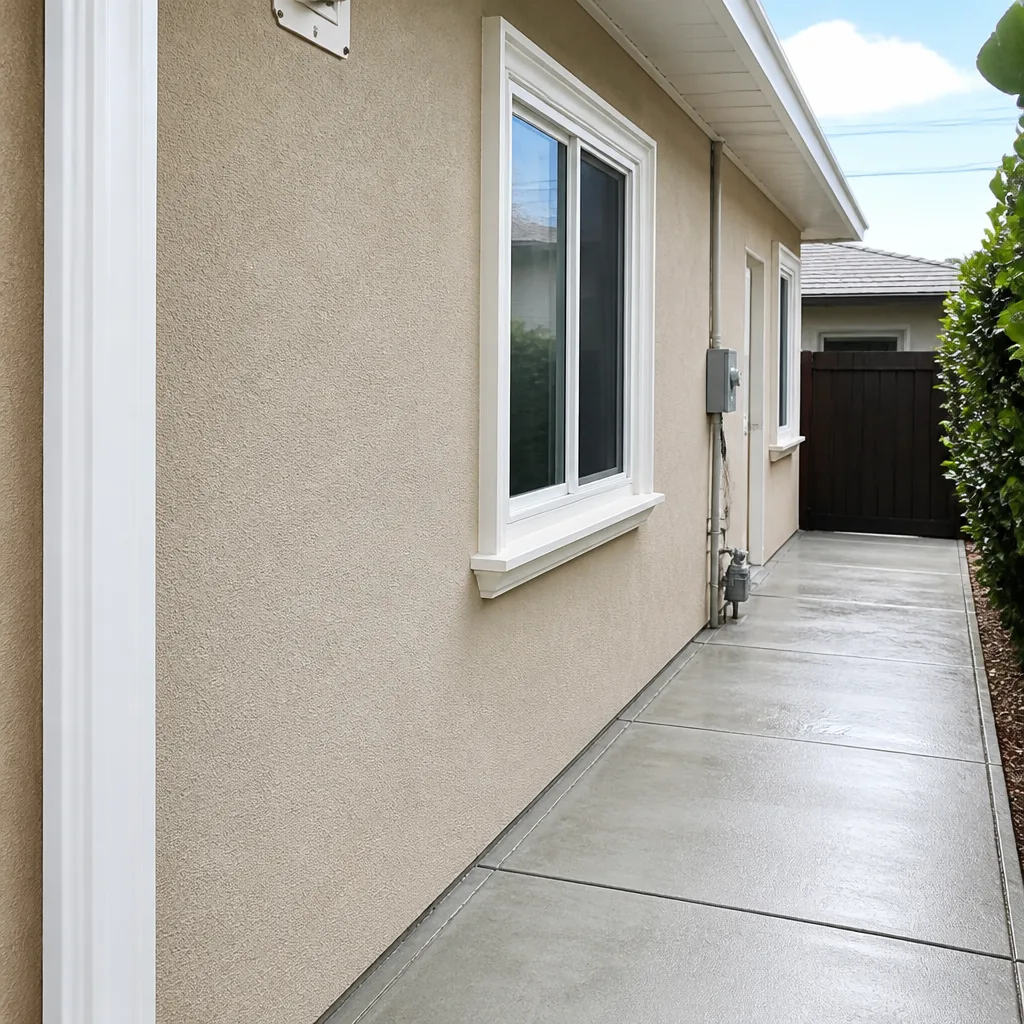 After
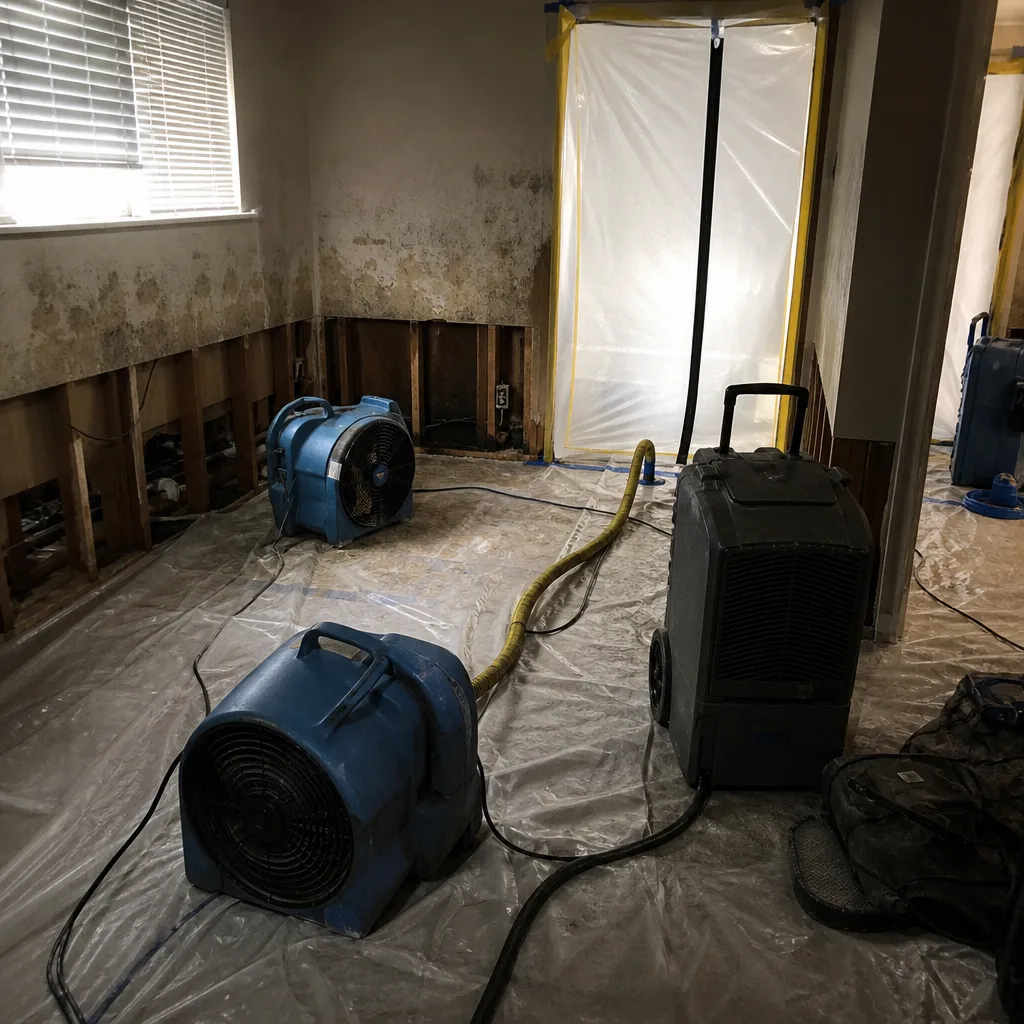 Before
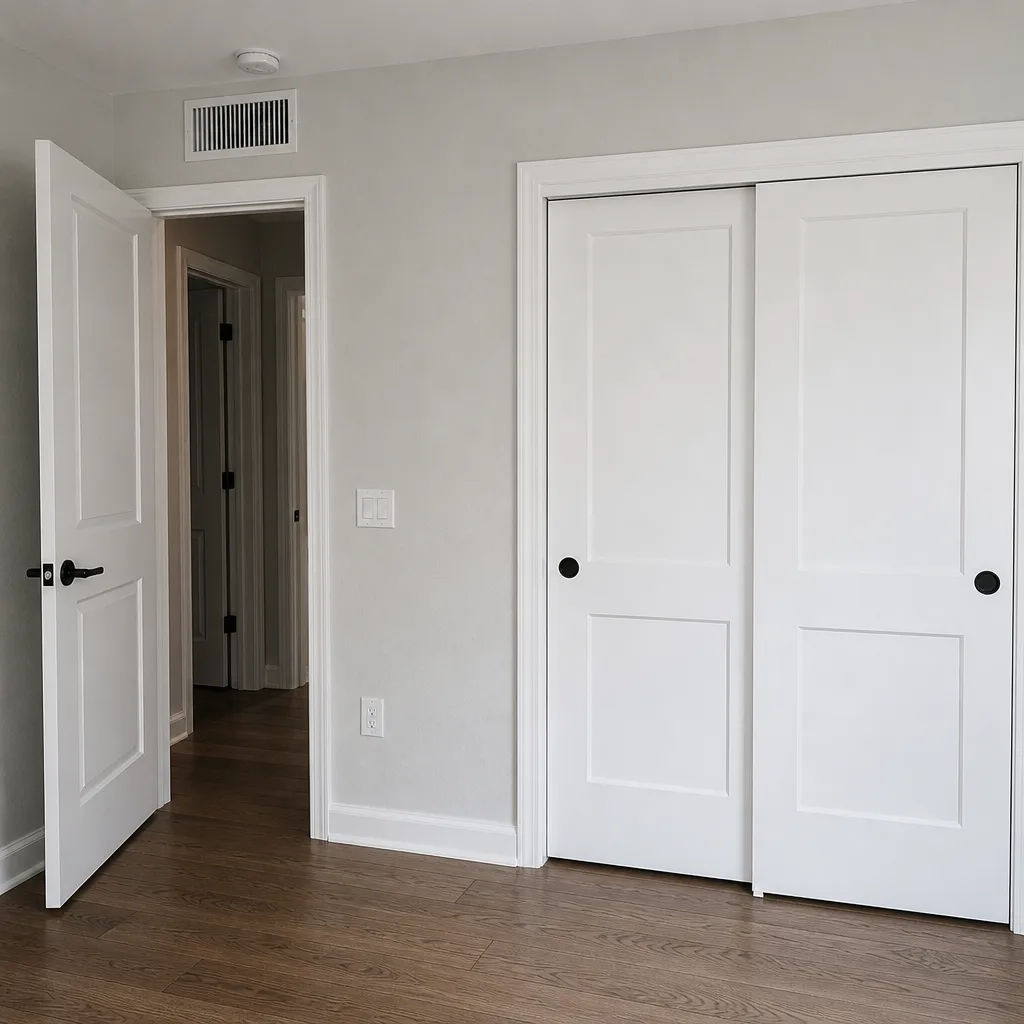 After
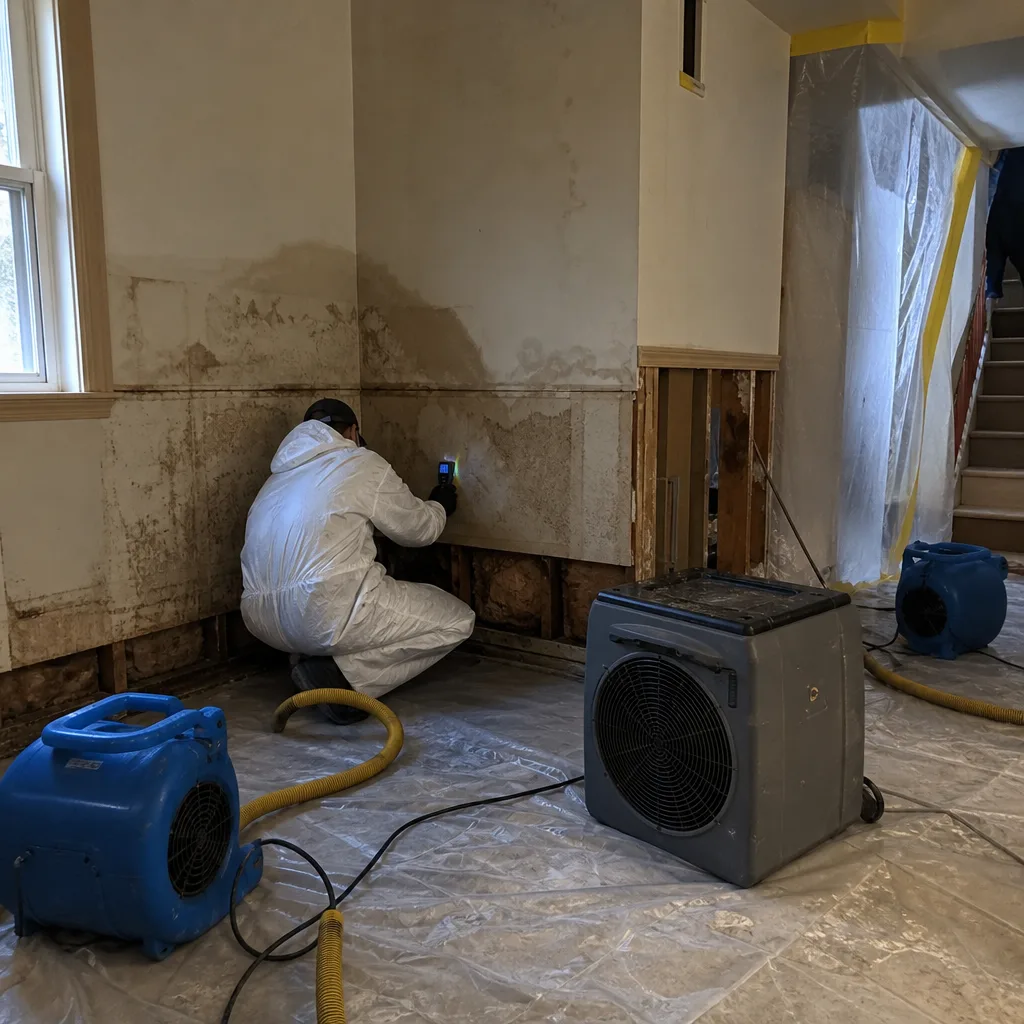 Before
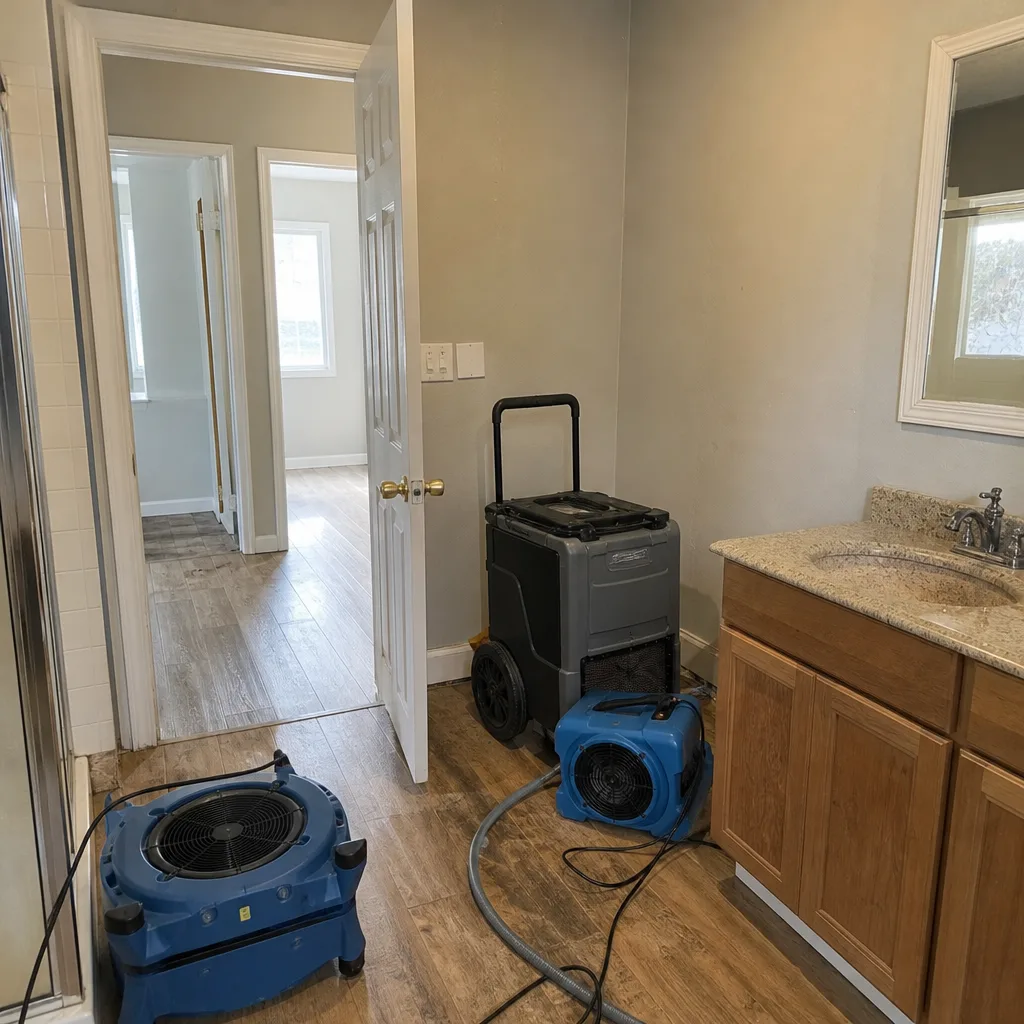 After
How Much Does Water Damage Restoration Cost in Fullerton?
Water Damage Restoration services in Fullerton typically cost $1,250 to $8,900 for most residential jobs, with the average homeowner paying around $3,400. A single-room cleanup with category 1 water usually lands near $1,400, while a slab leak or burst supply line that soaks multiple rooms and requires drywall removal pushes past $8,000. The final price depends on how far the water traveled, how long it sat, and whether contaminated water or hidden moisture in wall cavities changes the scope.
Those numbers reflect the Fullerton market as of 2026, and they’re the same figures we use when we build an estimate. A free inspection is the fastest way to replace a range with an exact figure. Call (855) 356-4970 and we’ll walk the property, meter the moisture, and hand you numbers you can take to your insurer.
Key takeaways
- Most Fullerton jobs run $1,250 to $8,900; the typical average is about $3,400.
- Category 1 (clean) water sits at the low end. Category 3 (contaminated) water and mold found during the job push cost up.
- Hidden moisture in walls and subfloors is the single biggest driver of surprise cost. Injectidry cavity drying often removes the need for tear-out.
- Fullerton’s older housing stock, clay soils, and Santa Ana wind season all shape what we find on site.
- A free estimate turns the range into a real number. Call (855) 356-4970.
Water Damage Restoration Cost Breakdown (2026)
Here’s how the line items stack up for a typical Fullerton property. These ranges cover labor, equipment, and standard materials. They don’t include reconstruction beyond patching unless noted.
| Line item | Typical range (Fullerton, 2026) |
|---|---|
| Emergency water extraction (per affected room) | $280 – $750 |
| Structural drying (commercial air movers + dehumidifiers, 3-5 days) | $850 – $2,600 |
| Moisture inspection and thermal imaging | $0 – $350 (often free with the job) |
| Water category assessment and containment | $180 – $600 |
| Drywall removal and disposal (per room) | $400 – $1,200 |
| Injectidry wall/floor cavity drying (per cavity set) | $350 – $900 |
| Baseboard and trim removal/replacement (per linear foot) | $6 – $18 |
| Subfloor and hardwood drying (per sq ft) | $3 – $9 |
| Antimicrobial application (per sq ft) | $0.30 – $0.90 |
| Contents pack-out, cleaning, and storage | $600 – $3,200 |
| Mold remediation (if discovered, per sq ft) | $12 – $28 |
| Reconstruction and finish restoration (per room) | $900 – $4,500 |
A few things move the number up or down. Extraction on category 1 water that’s caught within hours stays low because we’re pulling clean water and drying fast. The same square footage with category 3 water from a sewage backup or an overflowing toilet adds containment, disposal, antimicrobial treatment, and often a partial rebuild. Hidden moisture in a wall cavity is where costs diverge most. That’s exactly where Injectidry targeted-injection drying earns its place: it dries the cavity in place and keeps the demolition line item off your invoice.
One more driver is documentation. Insurers pay on evidence, so we meter, photograph, and log every step. That documentation is part of the job, not an add-on, and it’s what keeps an approved scope from getting trimmed after the fact.
What Affects Water Damage Restoration Pricing in Fullerton
- Water category. Clean water from a failed supply line is the cheapest to handle. Gray and black water from drains, sewage, or an outdoor intrusion weeps into a contaminated category that demands containment, disposal, and antimicrobial work.
- How long the water sat. Fullerton’s warm interior temperatures and tight, well-insulated rooms are good for comfort and bad for drying. Moisture that sits past 24 to 48 hours accelerates mold growth, which adds a remediation scope.
- Hidden moisture in cavities. Walls, ceiling cavities, and subfloors hold water where a meter can’t see it without training. We use thermal imaging and pin meters to find it, and cavity drying to remove it without demolition.
- Home age and construction. A lot of Fullerton housing dates to the 1950s through 1970s, and those homes often have older plumbing, copper-to-galvanized transitions, and slab-on-grade layouts that route water under flooring. That construction changes where the moisture ends up and how we reach it.
- Fullerton’s seasonal weather. We see two very different emergencies. Santa Ana wind events and summer heat stress older pipes and supply lines, while the winter rainy stretch drives roof and window intrusion. Spring and early summer failures around slab leaks and water heaters are common here.
- Access and layout. A single-family home with a crawl space or accessible subfloor dries differently from a slab home or a second-floor condo. Multi-story units move water down into ceilings, which multiplies the affected area.
- Contents. Furniture, electronics, and family documents need pack-out and controlled cleaning. That’s a real line item, and a serious one.
How to Save on Water Damage Restoration
Cost-saving starts before we arrive. Every hour water sits, the scope grows. Shutting off the water source and calling us early is the cheapest decision a homeowner makes all year.
- Stop the source, then call. Close the main shutoff before anything else. That single step limits how much square footage we extract.
- Don’t tear out walls yourself. Opening a wall you don’t need to open can spread contamination and add a rebuild. We let metering decide, and Injectidry lets us dry many cavities we’d otherwise remove.
- Document before you clean up. Photograph the water line and damaged items before you move them. Clear before-photos make the insurance claim smoother and prevent disputes.
- Read the insurance policy first. Most homeowners policies in California cover sudden water damage but exclude long-term seepage. Knowing which category yours falls into tells you what to expect.
- Fix small leaks now. A slow supply line leak under a Fullerton kitchen sink costs a fraction to repair compared to what it costs after it’s run into cabinet bases and the subfloor.
- Schedule a free estimate. We’ll give you a written, itemized scope at no cost. Call (855) 356-4970.
We also walk property managers through the documentation side. Insurance-approved scopes are more likely to be paid in full when the evidence is clear, so we build the file from day one.
How the Insurance Claim Usually Works
Most sudden-discharge water damage in Fullerton is covered. The typical sequence starts with an emergency call, moves into a documented mitigation scope, and hands off to reconstruction. We handle mitigation, document the loss with moisture readings and photos, and coordinate with your adjuster. You pay the deductible; the insurer pays the covered scope.
Coverage gaps tend to show up in three places: long-term seepage that the insurer reads as maintenance, mold discovered without a covered cause, and contents that need special handling. Getting a certified assessment early keeps those disputes small. It’s also why our approach leans on process: IICRC certification means the drying work follows an independently verified standard, which is exactly the kind of evidence an adjuster can work from.
Why Fullerton Homeowners Choose a Certified, Equipment-Forward Team
Restoration prices reflect what a crew can actually do. A handyman with a shop vac and a fan dries a room slowly and often incompletely. The hidden moisture returns as odor, warped flooring, or mold a few weeks later. We run Dri-Eaz and Phoenix drying systems sized to the job, meter every room, and end only when the moisture readings hold at standard. That’s what “restored to standard” means for us: a documented endpoint, not a visual guess.
We also hold IICRC certification and maintain membership with the RIA and IFA. Those aren’t badges on a website; they’re the reason our process holds up under an adjuster’s review. And because we handle water, mold, and fire under one roof, you don’t get handed between companies when scope changes mid-job. Learn more about our home page and how we work.
Property managers in Fullerton regularly call us for recurring loss types: overnight water heater failures, older supply lines letting go, and roof intrusion after a winter storm. Here’s the short version of how we respond:
- Emergency assessment and water source shutoff.
- Moisture mapping and thermal imaging.
- Extraction with truck-mounted and portable units.
- Drying plan with calibrated equipment and daily monitoring.
- Documentation for your insurer and a final moisture report.
For nearby areas, you can see our Water Damage Restoration in Muscoy page for a comparison of how the same process plays out in a different housing stock.
FAQs – Water Damage Restoration Cost
How much does water damage restoration cost in Fullerton?
Most residential jobs run $1,250 to $8,900, with a typical average around $3,400. A single affected room sits near $1,400, and a multi-room loss with cavity drying and some reconstruction climbs toward $8,000 or more. Call (855) 356-4970 for a free, itemized estimate.
Is water damage restoration covered by homeowners insurance?
Yes, in most cases. Sudden and accidental water damage from a burst pipe, failed supply line, or appliance leak is typically covered. Long-term seepage and gradual leaks are usually excluded, so the insurer’s interpretation of the cause matters a lot. We document the cause and scope from day one to give the claim a clear record.
Can you fix water damage the same day?
We can start the same day in most Fullerton cases. Emergency extraction usually begins within hours of the call, and drying runs three to five days depending on materials. The estimate itself is free, and the first visit is the fastest way to stop the cost from climbing.
Is it cheaper to repair or replace water-damaged materials?
Repair is usually cheaper when moisture hasn’t reached the structural cavity, and replacement only becomes necessary when materials are contaminated or too saturated to dry. That’s where Injectidry cavity drying changes the math: it saves walls and floors a less-equipped crew would demolish. We decide with meters, not guesses.
How much does it cost if the water was contaminated?
Contaminated water (category 3, which includes sewage backups and outdoor intrusion) adds roughly $600 to $2,400 for containment, disposal, and antimicrobial treatment. That’s on top of extraction and drying. Expect the full scope to land near the higher end of the range. Call (855) 356-4970 and we’ll tell you what applies to your job.
Does a small leak cost less to fix if I wait?
No. Waiting almost always costs more. Mold can begin within 24 to 48 hours of a wet event, and remediation at $12 to $28 per square foot quickly outpaces the cost of prompt drying. Early action is the cheapest decision available.
Get a Free Estimate Today
Pricing on this page is a range, and your home isn’t a range. A quick walkthrough with metering equipment turns those numbers into an exact figure. We provide written, itemized estimates at no cost, handle the documentation, and dry to a verified standard using commercial Dri-Eaz and Phoenix equipment. Call Mahogany Water Damage at (855) 356-4970 to schedule a free estimate, or reach out through our home page.
Pricing reflects the Fullerton market as of 2026. Mahogany Water Damage offers free estimates – call (855) 356-4970.
Written by the team at Mahogany Water Damage, serving Fullerton and surrounding areas with IICRC-certified water, mold, and fire restoration.
What Our Customers Say
"Took moisture readings every day and logged them, and only pulled the drying equipment when the numbers said it was actually dry rather than on a fixed schedule."
— Alejandro Torres"They cut the drywall at a clean line and only as far up as was actually wet, rather than gutting the whole room."
— Hector Flores"Supply line let go under the upstairs bathroom at two in the morning. They had a crew here inside ninety minutes, water extracted before dawn, and dehumidifiers running by breakfast. The ceiling below was saved."
— Robert Kowalski