
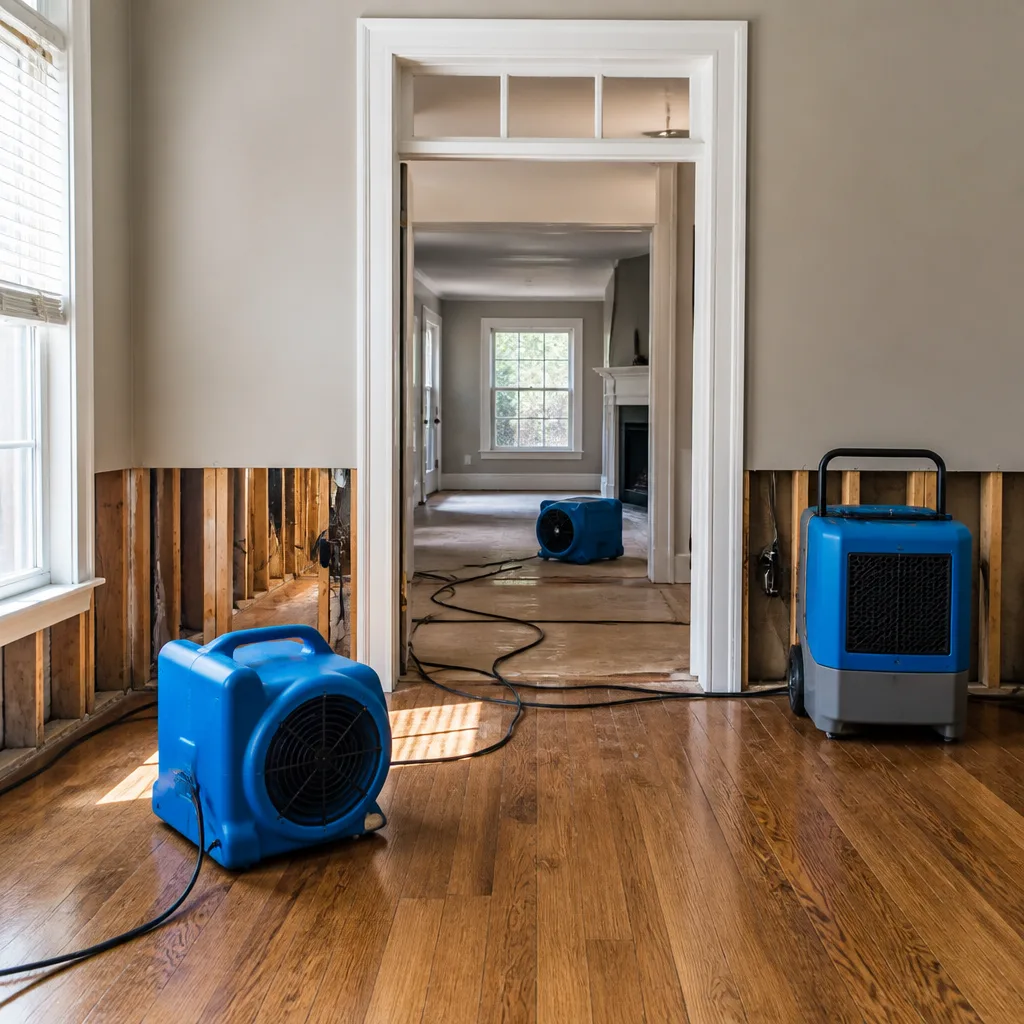
 Water damage drying
 Fire & smoke cleanup
 Mold remediation
 Storm response
 Sewage cleanup
 Reconstruction
Free visual inspection and a written scope of work before any mitigation begins - photos, moisture readings, and drying logs go in your claim file
The scope we write is the scope we bill. Anything new gets shown to you, in writing, before we touch it.
Get your free estimateFast, Reliable Mold Remediation Across Grand Terrace
Mold remediation in Grand Terrace typically runs $1,200 to $4,500 depending on whether the mold is isolated to one wall cavity or has spread through a below-grade space. We get calls from Grand Terrace homeowners every week, usually after the first heavy storm of the season, when runoff from Blue Mountain finds its way into garages and daylight basements that have been dry for months. Our team knows the hillside streets off Pico and the Barton Road corridor, and we can usually be on-site within 90 minutes of your call to (855) 356-4970. If you smell must or see discoloration on drywall, don’t wait for it to spread behind the stucco.
Why Mahogany Water Damage Is Grand Terrace’s Preferred Mold Remediation Company
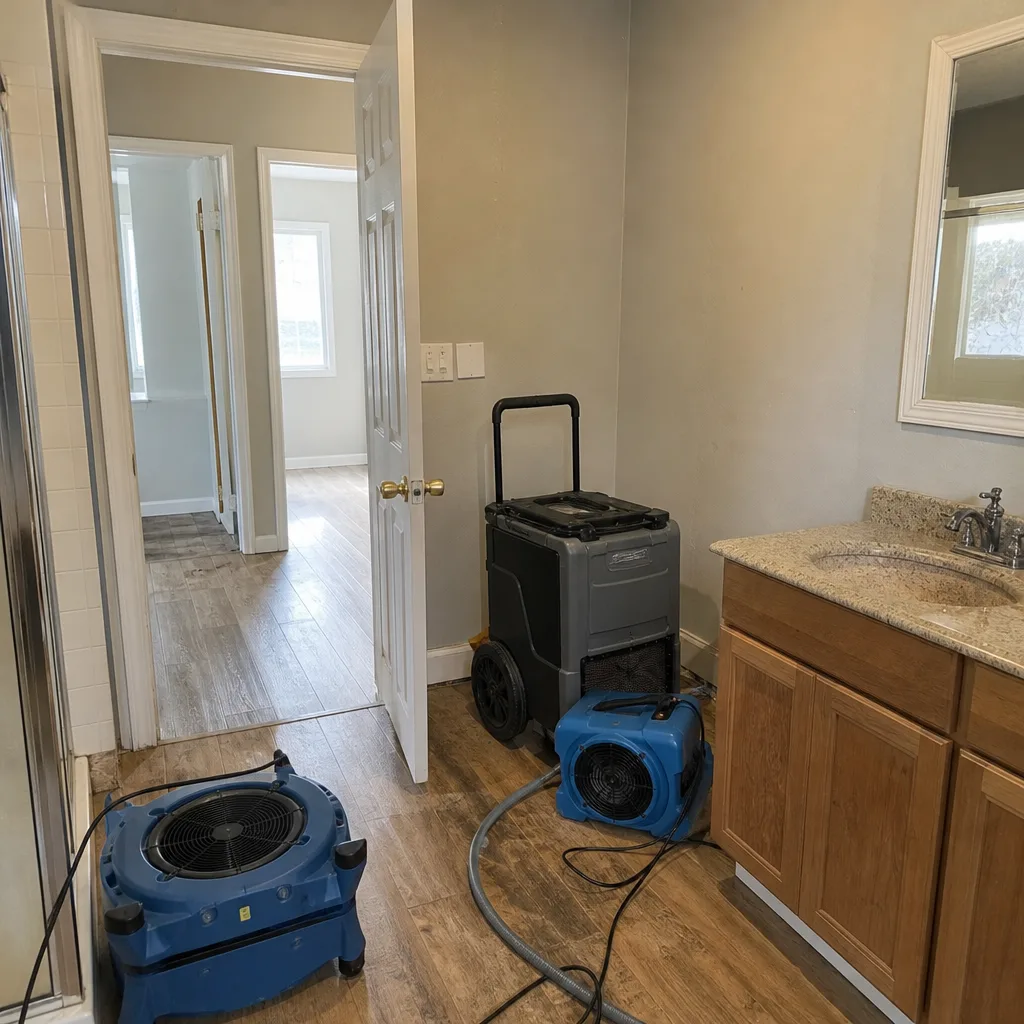
We’re not a generalist crew that squeezes mold work between bathroom remodels. Mold Remediation is a core part of what we do, and we approach every Grand Terrace job with IICRC-certified process and commercial-grade equipment, including Dri-Eaz drying systems that most local contractors don’t own. Noel Carrasco leads our team with a simple rule: find the moisture source first, then treat the mold. In Grand Terrace, that means understanding how hillside runoff works, not just spraying the visible growth and hoping it doesn’t come back.
We’ve worked on homes along the terraced lots below Blue Mountain, on multi-level properties where water migrates from an upper slab into a lower daylight basement, and in detached workshops where homeowners store tools, lumber, and seasonal gear. Grand Terrace’s housing stock – mostly 1950s through 1980s tract homes with original plumbing and aging roof coverings – gives us a predictable set of failure modes. We know where the moisture hides in these houses because we’ve mapped it out dozens of times.
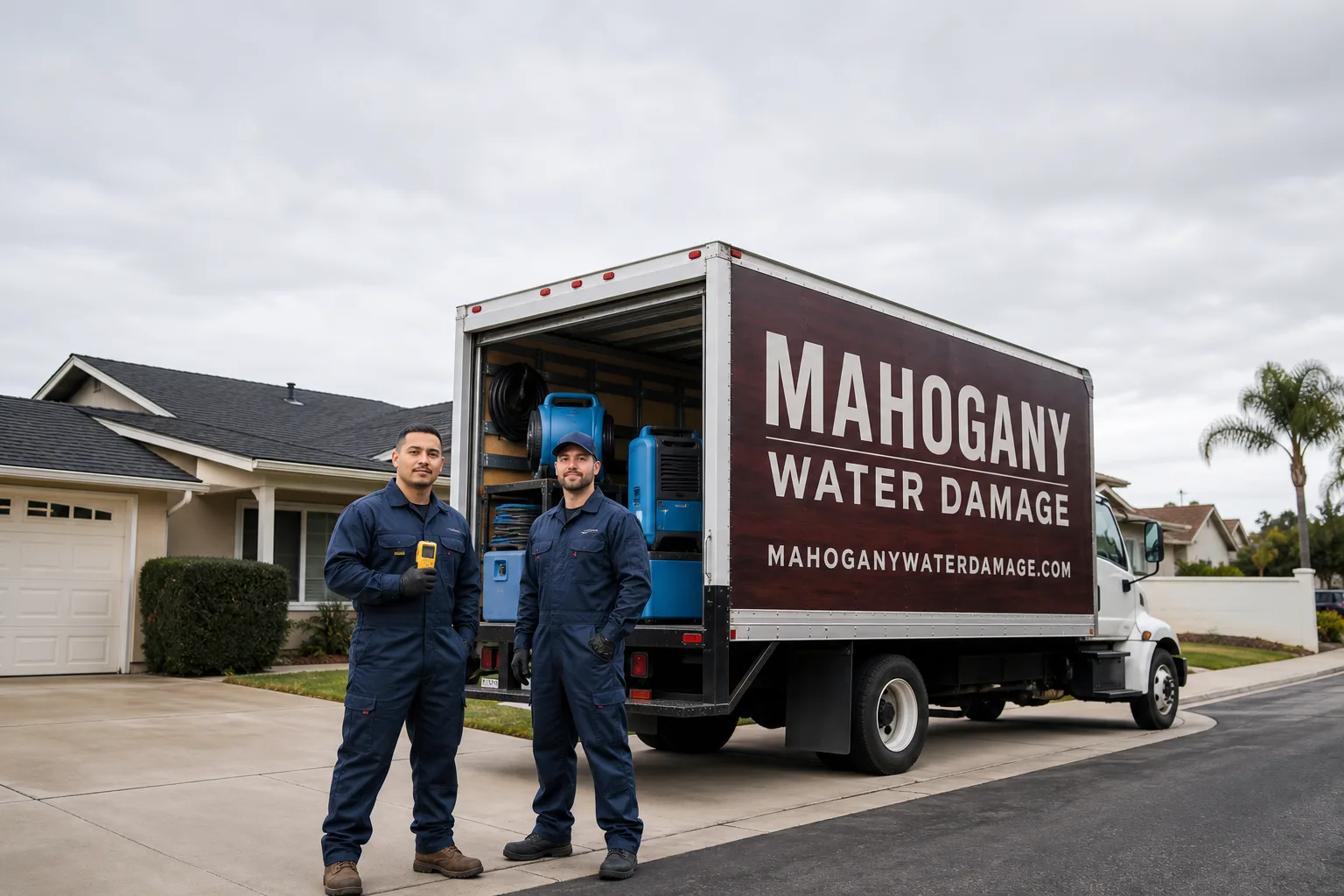
Our response time to Grand Terrace is fast because we’re based nearby in Fullerton and we keep fully stocked trucks ready to roll. When you call, you get a direct answer about when we can arrive, not a call center script. We document everything with photos and moisture readings, which matters when you’re filing an insurance claim.
Restoration work we handle
Professional Mold Removal in Grand Terrace
Professional Mold Removal in Grand Terrace means more than wiping down a wall with bleach. It starts with identifying why moisture is present in the first place, then setting up containment so spores don’t spread through the rest of the house while we work. For a typical isolated mold issue in a Grand Terrace bathroom or laundry room, removal runs $1,200 to $2,800. For a daylight basement or garage wall cavity where runoff from the hillside has been seeping in, expect $3,000 to $4,500 or more because we’re addressing both the mold and the water entry point. Our Grand Terrace customers know that skipping the drainage correction means the mold returns with the next storm.
Containment and Negative Air
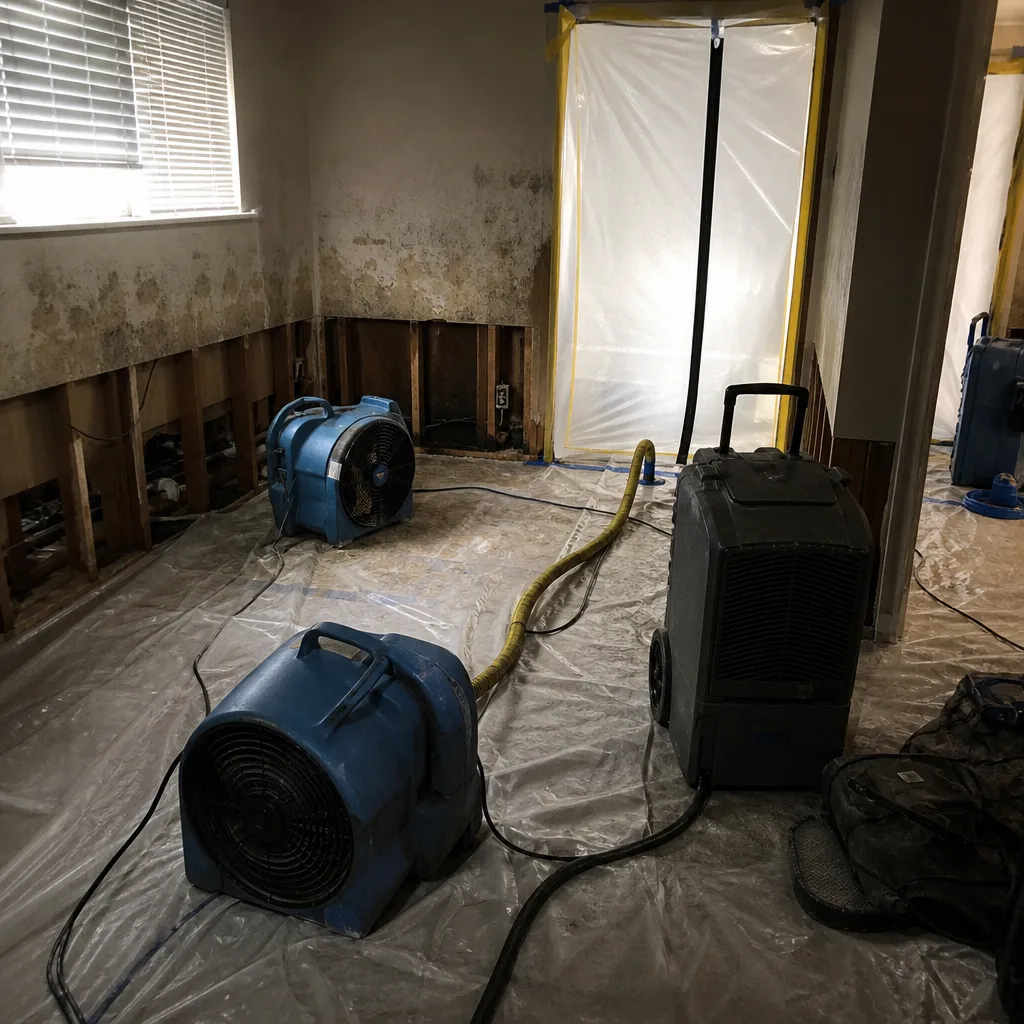
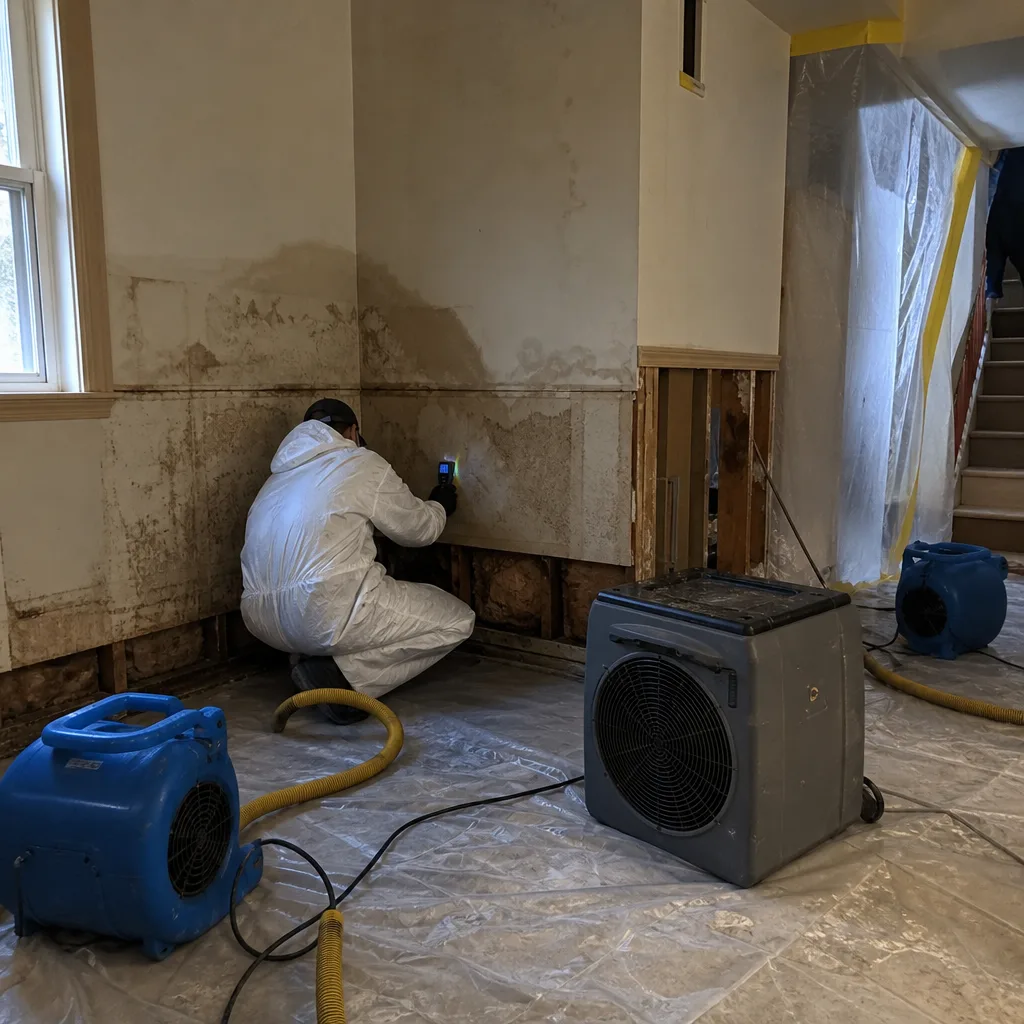
Every mold removal job we run in Grand Terrace starts with containment. We seal off the affected area with 6-mil poly sheeting and run negative air machines with HEPA filtration so mold spores don’t migrate into your living spaces while we’re disturbing the affected materials. This is standard IICRC protocol, and it’s non-negotiable on our jobs. We also run air scrubbers during and after the work to pull residual spores from the air.
Antimicrobial Treatment and Drying
After removing affected drywall, insulation, or other porous materials, we apply EPA-registered antimicrobial treatments to the remaining structure. Then we verify the area is dry using moisture meters and thermal imaging, not guesswork. On hillside homes in Grand Terrace, we often find the wall cavity is still wet long after the surface looks fine, especially when Santa Ana winds have been drying the exterior while the interior stays damp. That’s why we use Injectidry targeted-injection drying to pull moisture from wall and floor cavities without tearing everything out.
Mold Inspection in Grand Terrace
Mold Inspection in Grand Terrace usually runs $300 to $650 for a thorough visual assessment with moisture mapping and, when needed, air or surface sampling. We recommend an inspection whenever you smell something earthy or stale that comes and goes, notice discoloration on drywall or baseboards, or have had any water intrusion in the past year. On hillside properties, we pay special attention to below-grade walls, garage slab edges, and anywhere runoff channels past the foundation. The inspection tells you whether you have a real mold problem or just a lingering odor from a past issue that was never properly dried.
Moisture Mapping and Source Identification
Our inspectors use pin-type and pinless moisture meters to trace where water is actually sitting inside walls and floors. In Grand Terrace, that often means following a moisture trail from a patio drain or retaining wall upslope of the house. We’ve found active mold behind stucco on the uphill side of homes where runoff had been splashing against the wall for years, invisible from inside until the drywall started staining. Finding that source is what separates a real fix from a temporary cleanup.
Air Quality Testing
When we run air sampling in Grand Terrace homes, we compare indoor spore counts to outdoor baseline levels. Elevated indoor levels of Aspergillus or Penicillium types often indicate a hidden moisture problem, especially in homes with original 1950s-to-1970s slab-on-grade construction where plumbing leaks can go undetected under the slab. We send samples to an independent lab, and we walk you through the results in plain language. You’ll know exactly what’s in your air and what it means.
Trusted Brands We Service in Grand Terrace
Mold doesn’t care what brand of water heater you have, but the equipment we use to fix it does. We run Dri-Eaz drying systems on every Grand Terrace job, and we keep Injectidry panels and hoses on the truck for wall and floor cavity drying. Our team holds IICRC certification, and we maintain membership with the RIA and IFA, which means our process is independently verified, not a homemade checklist. When we arrive at a Grand Terrace home, we’re bringing commercial-grade tools that match what large restoration firms use on hospital and school jobs, applied to your house with the same rigor. We stock replacement filters for our air scrubbers, HEPA cartridges, and antimicrobial products locally, so we’re not waiting on a supply run to finish your job.
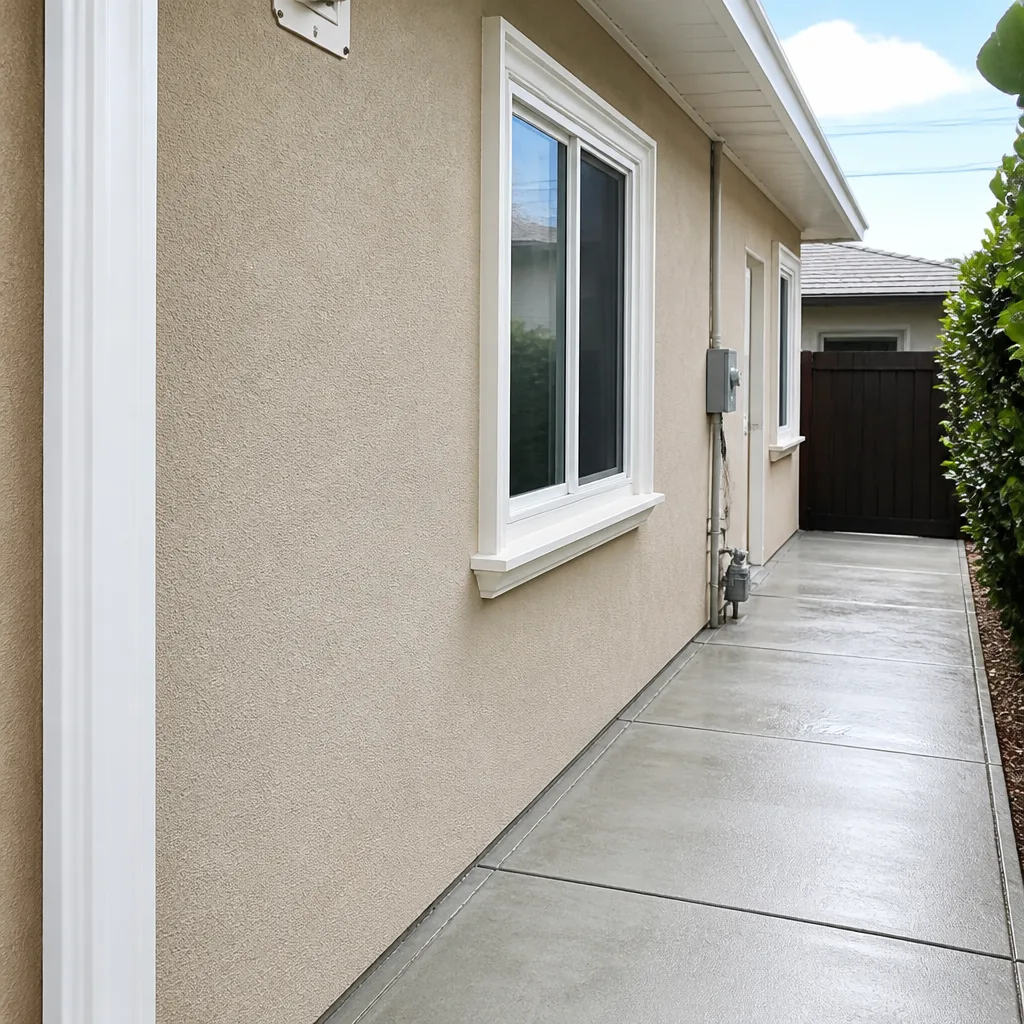
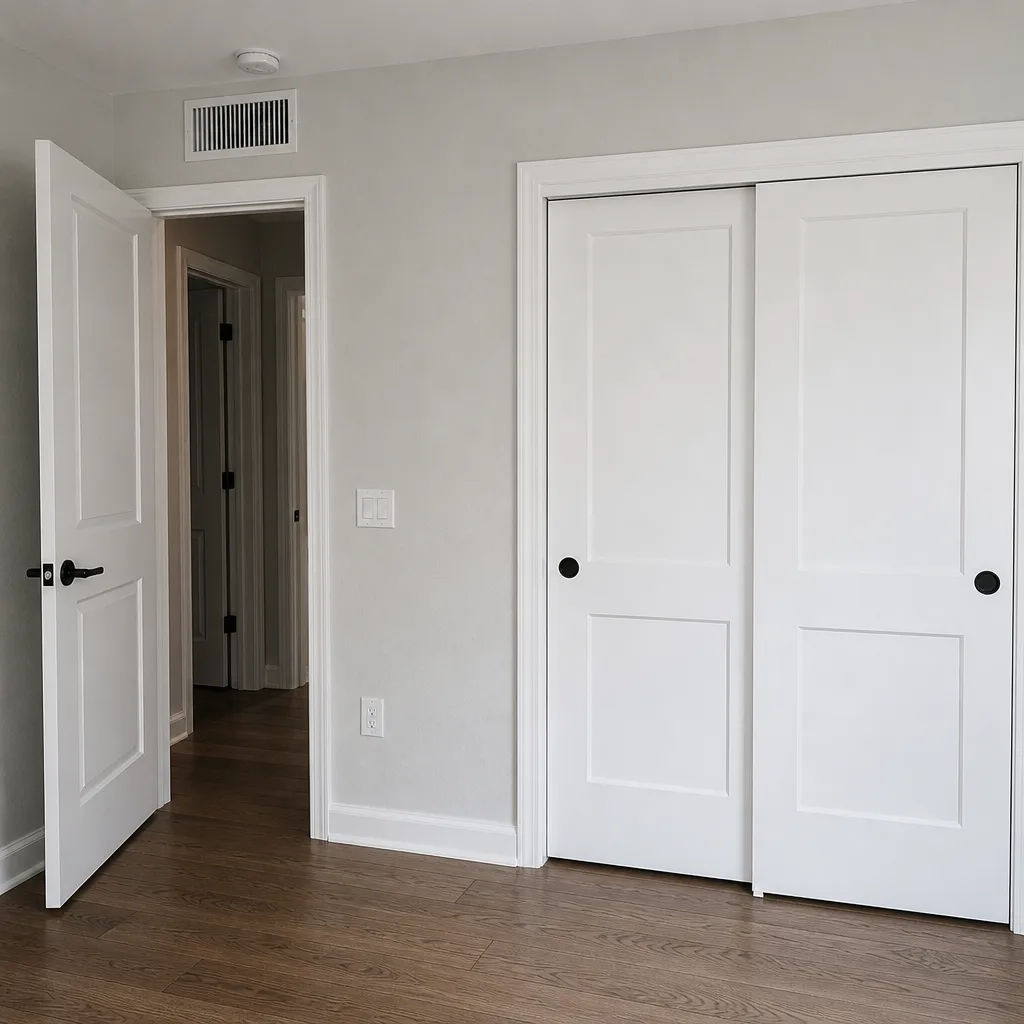
See the difference
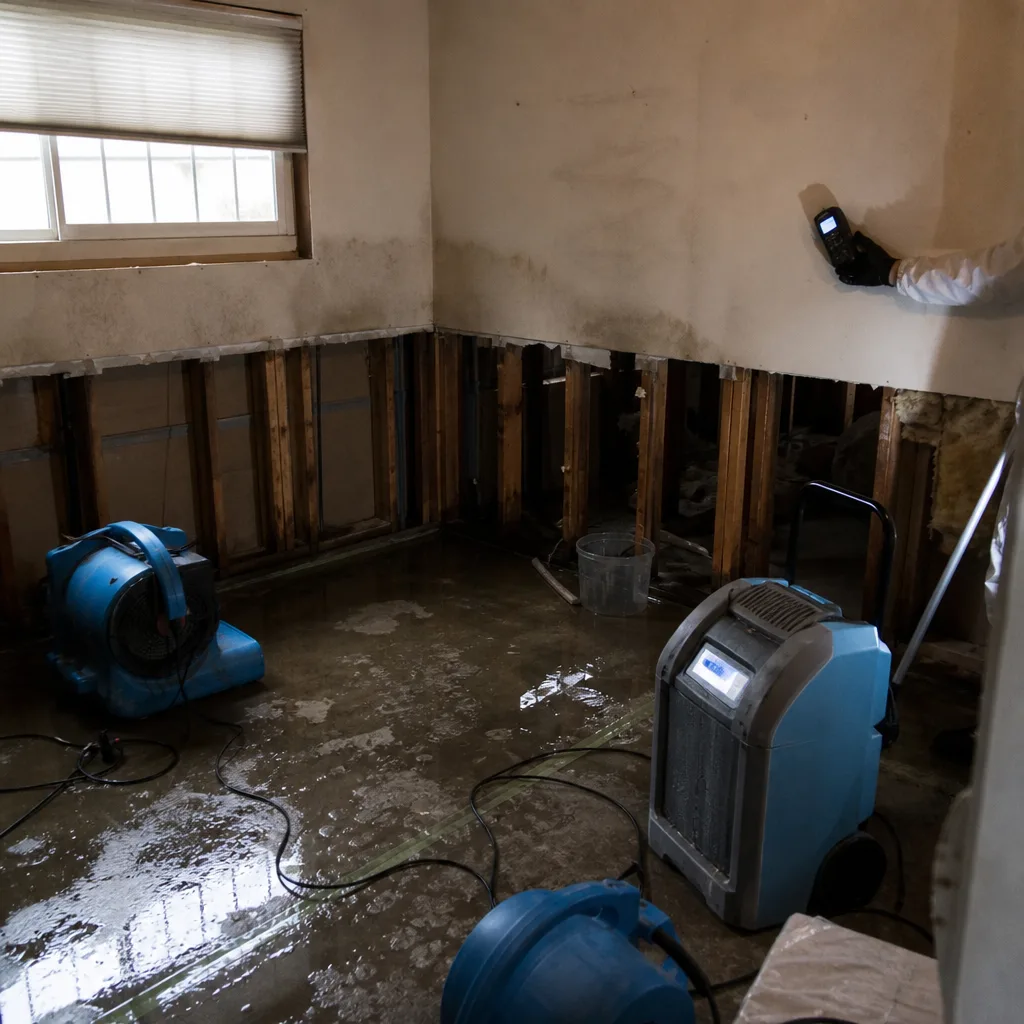 Before
 After
 Before
 After
 Before
 After
Common Mold Remediation Problems We See in Grand Terrace Homes
- Hillside runoff into below-grade spaces. The steep streets off Pico and along Barton Road send stormwater downslope fast, and drainage swales that worked fine for decades often can’t handle the first big rain of the season. Water pools against garage slab edges and leaks into wall cavities where mold starts within 24 to 48 hours.
- Pressure washing after storms drives water into walls. Homeowners hose down mud-slicked driveways and patios after heavy rain, and that spray forces water against the slab edge and into garage wall framing. It looks cleaner, but the moisture stays trapped behind the stucco and feeds mold growth you can’t see.
- Santa Ana winds mask moisture readings. During dry, windy periods, exterior surfaces dry quickly and everything looks fine. But inside wall cavities, moisture from weeks earlier stays trapped, and mold grows behind the stucco until the drywall starts staining. We’ve found active colonies behind walls that showed zero visible signs from inside the home.
- Contractors from out of town miss the drainage source. Crews that mostly work flat lots in Colton or Riverside treat the visible mold but never address the hillside runoff that caused it. The mold gets cleaned, the job gets billed, and the next storm brings it right back. We trace the water to its source on every Grand Terrace job.
Pricing for Mold Remediation in Grand Terrace, CA
Here’s what you should expect to pay in Grand Terrace for common mold scenarios. A single bathroom or laundry room mold issue with limited drywall removal runs $1,200 to $2,800. A kitchen or hallway where water traveled along a wall runs $2,800 to $4,000. A daylight basement or garage with hillside runoff involvement and multiple affected walls runs $4,000 to $7,500. Mold inspection alone runs $300 to $650. What changes the number is the amount of drywall and insulation that must come out, whether we need to open walls for Injectidry drying, and whether drainage correction is needed to stop the recurrence. We give you a written scope before any work starts, so you know exactly what you’re paying for. Call (855) 356-4970 for a free estimate, and we’ll walk your property in Grand Terrace and put a number in front of you.
We Also Serve Cities Near Grand Terrace
Our crews regularly work in Highgrove, Colton, Loma Linda, and Rubidoux. If you own property in any of those communities, or if you’re managing a rental in the area, we can coordinate a single visit that covers multiple properties. We understand that a storm hitting Grand Terrace also hits the surrounding foothill communities, and we schedule accordingly. Call us at (855) 356-4970 to schedule.
Serving Grand Terrace, CA — Our Local Coverage Area
We’re based in the Grand Terrace area and know this community well. Use the map below to see our service coverage — if you’re nearby, we can almost certainly help.
FAQs About Mold Remediation in Grand Terrace
Because the moisture source was never fixed. On hillside properties in Grand Terrace, the water that feeds mold typically comes from runoff against the foundation, a leaking patio drain, or a plumbing leak inside a wall. Cleaning the visible mold without correcting the water entry point means it returns with the next storm. We identify the moisture source during our inspection and include drainage correction or plumbing repair recommendations in our written scope.
Mold can start colonizing within 24 to 48 hours of water intrusion, and on Grand Terrace hillside homes, the clock starts the moment runoff reaches a slab edge or below-grade wall. That’s why we prioritize response to Grand Terrace after the first heavy storm of the season, and why our crews run moisture mapping rather than trusting a visual check. The faster we find the wet cavity, the less demolition is needed.
Yes. Every mold job we run includes containment with poly sheeting and negative air machines, HEPA air scrubbing, and application of EPA-registered antimicrobial treatments to affected framing and surfaces. We follow IICRC standards for containment and cleanup, and we verify results with post-remediation moisture readings and air sampling when the job warrants it.
Category 1 water is clean water from a supply line or rainwater, Category 2 is grey water from sources like washing machines or dishwashers, and Category 3 is black water from sewage or floodwater. The category affects how we handle the water extraction and disposal, but mold remediation follows any of them if the area wasn’t dried quickly enough. In Grand Terrace, we often see Category 1 storm runoff become a mold problem because it sat in a wall cavity or below-grade space for weeks before anyone noticed.
Yes. Grand Terrace acreage properties often have detached workshops, garages, or sheds that collect moisture from roof leaks, slab contact, or poor drainage. We treat those structures with the same containment and drying protocols as a main house, and we bring portable drying equipment that works in spaces without finished walls or climate control. We can also address mold in attached garages that share a wall with living space, where containment is especially important to keep spores from migrating into the home.
Written by Noel Carrasco, Owner at Mahogany Water Damage, serving Grand Terrace with IICRC-certified mold remediation, moisture mapping, and drainage-aware restoration.